
Temperature and noise interact in surprising ways that affect measurements, equipment performance, and even our daily comfort. Understanding this relationship is crucial for engineers, acousticians, and anyone concerned with sound management. 🌡️

The Physics Behind Sound and Temperature
Sound travels through air as pressure waves, and temperature directly influences how these waves propagate. When air temperature increases, molecules move faster and collide more frequently, affecting the speed of sound transmission. This fundamental relationship creates a cascade of effects that impact noise measurements and perception.
The speed of sound increases by approximately 0.6 meters per second for every degree Celsius rise in temperature. At 0°C, sound travels at about 331 meters per second, while at 20°C, it reaches approximately 343 meters per second. This seemingly small variation has significant implications for acoustic measurements and sound behavior in different environments.
Molecular Activity and Sound Propagation
Air molecules at higher temperatures possess greater kinetic energy, enabling sound waves to transfer energy more efficiently between particles. This enhanced molecular activity doesn’t just affect speed—it influences absorption patterns, reflection characteristics, and the overall acoustic signature of any environment.
Cold air is denser than warm air, creating different impedance characteristics for sound waves. This density variation affects how sound reflects off surfaces, bends around obstacles, and attenuates over distance. Engineers must account for these variables when designing acoustic spaces or measuring noise compliance.
Temperature’s Impact on Decibel Measurements
Professional sound level meters and noise monitoring equipment are calibrated for specific temperature ranges, typically around 20-25°C. When measurements occur outside these ranges, calibration drift can introduce errors that affect the accuracy of decibel readings. This phenomenon presents challenges for outdoor noise assessments and industrial monitoring.
Microphone capsules, the sensitive components in sound measurement devices, exhibit temperature-dependent behavior. Their diaphragms expand or contract with temperature changes, altering sensitivity and frequency response. High-quality measurement equipment includes temperature compensation mechanisms, but extreme conditions can still compromise accuracy.
Atmospheric Absorption Variations ☀️
Sound absorption by air molecules varies significantly with temperature. High-frequency sounds are particularly susceptible to temperature-related absorption changes. At higher temperatures, water vapor content typically increases, creating additional absorption mechanisms that preferentially affect certain frequency ranges.
This selective absorption explains why outdoor concerts sound different on hot summer evenings compared to cool spring nights. The treble frequencies may appear muted in warm, humid conditions, while bass frequencies travel with less attenuation. Acoustic engineers must consider these variables when designing outdoor sound systems.
Industrial and Environmental Noise Monitoring Challenges
Regulatory compliance monitoring faces significant challenges from temperature variations. Industrial facilities must demonstrate noise levels below specified thresholds, but temperature fluctuations can introduce measurement uncertainties. A reading of 85 dB at 10°C might not equal the same acoustic energy as 85 dB at 30°C.
Environmental noise studies spanning multiple seasons require sophisticated data normalization techniques. Raw measurements collected during different weather conditions need correction factors to enable meaningful comparisons. This complexity often goes unrecognized in simplified compliance reporting.
Equipment Reliability in Extreme Conditions
Permanent noise monitoring stations experience temperature swings that test equipment durability. Electronic components drift with temperature changes, microphones degrade from thermal stress, and calibration can shift unpredictably. Regular maintenance and temperature-compensated designs help mitigate these issues, but challenges remain.
Winter measurements in sub-zero conditions present unique difficulties. Battery performance degrades, LCD displays slow or freeze, and moisture condensation can damage sensitive electronics. Summer heat creates equally problematic conditions with thermal expansion, electronic drift, and accelerated component aging.
Temperature Gradients and Sound Refraction 🌅
Vertical temperature gradients in the atmosphere create fascinating sound propagation effects. During typical daytime conditions, temperature decreases with altitude, causing sound waves to bend upward. This refraction reduces noise levels for distant ground-level receivers, creating quieter conditions despite unchanged source emissions.
Nighttime temperature inversions reverse this pattern. Cool air near the ground with warmer air aloft creates downward sound refraction, dramatically increasing noise propagation distances. This explains why highway traffic or industrial facilities seem louder at night, even when actual emissions remain constant.
Urban Heat Islands and Noise Propagation
Cities create localized temperature variations that affect noise distribution. Urban heat islands produce complex temperature gradients that bend sound in unexpected ways. Heat radiating from buildings and pavement creates turbulent conditions that scatter sound waves, sometimes focusing noise in unexpected locations.
The combination of reflective surfaces, temperature variations, and wind patterns creates unique acoustic environments in urban canyons. Sound measurements in these settings require careful consideration of microclimate effects that wouldn’t factor into simplified propagation models.
Material Behavior and Thermal Expansion Effects
Acoustic materials change properties with temperature fluctuations. Sound-absorbing foams, barrier materials, and damping compounds all exhibit temperature-dependent performance. Materials optimized for room temperature may lose effectiveness in extreme heat or cold, compromising noise control strategies.
Thermal expansion affects mechanical systems that generate noise. Metal components expand in heat, changing clearances and vibration patterns. A machine that operates quietly at 20°C might develop rattles or resonances at 35°C due to dimensional changes in components and mounting systems.
Building Acoustics and Seasonal Variations
Building materials expand and contract with temperature cycles, creating transient noise issues. Roofing materials that snap and crack during temperature changes, floor systems that creak with seasonal humidity variations, and HVAC ductwork that pops during thermal expansion all contribute to the temperature-noise relationship.
Sound transmission through building assemblies varies with temperature. Air gaps in wall constructions change dimension with thermal expansion, affecting sound insulation performance. Windows, doors, and other penetrations develop acoustic leaks as materials expand or contract with seasonal temperature shifts.
Practical Implications for Noise Assessment 📊
Professional noise consultants must account for temperature effects in their measurement protocols. Best practices include recording ambient temperature alongside sound measurements, applying correction factors for non-standard conditions, and scheduling measurements during representative thermal conditions.
Long-term noise monitoring studies require temperature logging to enable proper data interpretation. Statistical analysis should separate temperature-related measurement variations from actual changes in noise emissions. This distinction proves crucial for identifying genuine noise issues versus measurement artifacts.
Calibration and Quality Assurance Procedures
Regular calibration checks become even more critical when working in variable temperature environments. Field calibrators themselves exhibit temperature sensitivity, requiring warm-up periods and environmental stability for accurate verification. Multi-point calibration across expected temperature ranges provides better confidence in measurement accuracy.
Laboratory-based acoustic testing requires strict temperature control. Standard testing protocols specify narrow temperature ranges to ensure reproducible results. Comparing measurements from different facilities or seasons without accounting for thermal conditions can lead to invalid conclusions.
Biological and Psychological Responses to Temperature-Noise Interactions 🧠
Human perception of noise doesn’t exist in isolation from thermal comfort. Research demonstrates that people rate identical sound levels as more annoying when thermally uncomfortable. Hot environments lower tolerance for noise, while moderate temperatures improve acoustic comfort perception.
Physiological stress from temperature extremes amplifies negative responses to noise exposure. Heat stress increases irritability and reduces cognitive capacity to filter unwanted sounds. Cold stress produces similar effects, with shivering and discomfort creating heightened noise sensitivity.
Wildlife and Environmental Acoustics
Temperature affects how animals produce and perceive sounds. Many species adjust vocalization frequencies based on temperature-dependent changes to their sound-producing organs. Researchers studying bioacoustics must account for temperature when analyzing animal communication patterns.
Aquatic acoustics exhibit particularly strong temperature sensitivity. Water temperature affects sound speed more dramatically than air temperature, influencing marine mammal communication, fish behavior, and underwater noise propagation from human activities. Ocean thermal layers create acoustic channels that can transmit sound across vast distances.
Technological Solutions and Compensation Strategies 🔧
Modern noise measurement equipment incorporates sophisticated temperature compensation algorithms. Digital signal processing can correct for known temperature-related artifacts in real-time. Advanced monitoring stations include meteorological sensors that feed environmental data into correction algorithms.
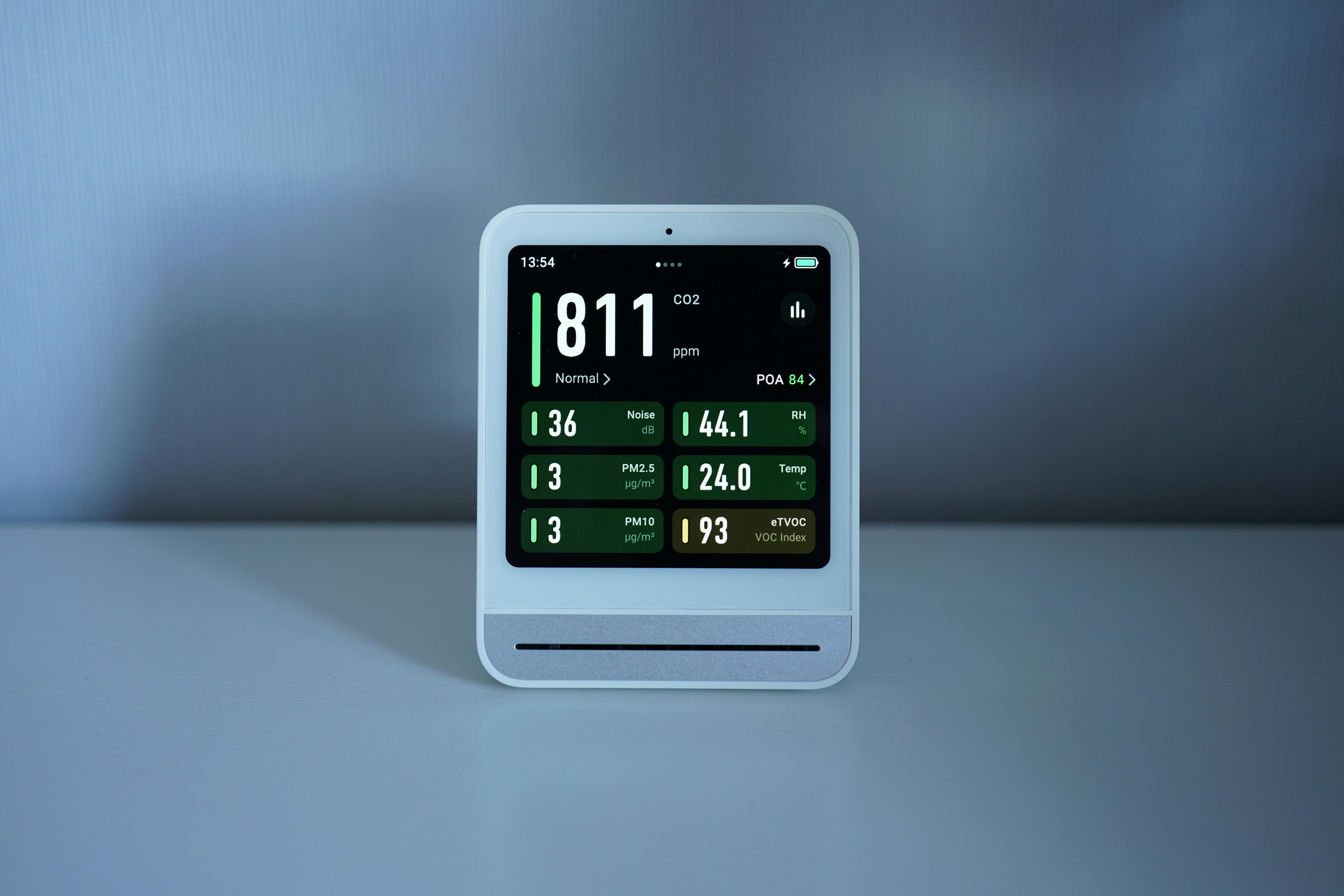
Smartphone-based sound measurement applications face particular challenges with temperature compensation. Mobile device microphones lack the precision engineering of professional equipment and exhibit significant temperature drift. Users should understand these limitations when relying on consumer-grade measurement tools for anything beyond general awareness.
Emerging Technologies and Future Developments
Artificial intelligence and machine learning offer promising approaches to temperature-compensated noise measurement. Neural networks trained on diverse environmental conditions can learn complex relationships between temperature, humidity, pressure, and acoustic measurements, potentially improving accuracy beyond traditional correction methods.
Sensor fusion techniques combining acoustic measurements with comprehensive meteorological data enable more sophisticated noise mapping. These integrated approaches recognize that temperature represents just one variable in a complex environmental system affecting sound propagation and measurement.
Design Considerations for Temperature-Stable Acoustic Performance
Engineers designing noise control solutions must consider temperature-related performance variations. Selecting materials with stable acoustic properties across expected temperature ranges prevents seasonal effectiveness fluctuations. Testing proposed solutions under realistic thermal conditions validates designs before full implementation.
Active noise control systems require temperature-adaptive algorithms. The transfer functions that enable effective cancellation change with temperature-induced variations in sound speed and material properties. Robust ANC systems continuously adapt to environmental conditions including temperature shifts.
Architectural Acoustics in Climate Extremes
Buildings in regions with extreme temperature ranges face unique acoustic challenges. Design strategies must accommodate thermal expansion while maintaining acoustic integrity. Concert halls, recording studios, and other acoustically critical spaces require special attention to temperature-stable construction techniques.
HVAC system noise varies significantly with outdoor temperature, affecting supply air temperatures and system operating conditions. Summer cooling loads typically create higher noise levels than winter heating operations. Acoustic design must address worst-case thermal scenarios to ensure acceptable performance year-round.
Navigating Regulatory Compliance in Variable Conditions 📋
Noise regulations rarely specify measurement temperature requirements explicitly, creating ambiguity in compliance verification. Facilities operating near regulatory limits face uncertainty about whether temperature-related measurement variations might affect compliance status. Industry best practices recommend consistent measurement protocols that minimize temperature-related variability.
Legal disputes involving noise complaints sometimes hinge on measurement validity questions related to temperature and environmental conditions. Expert testimony may address whether measurements accurately represent typical conditions or whether temperature artifacts influenced results. Documentation of measurement conditions proves essential for defensible assessments.
The decibel dilemma arising from temperature variations represents a complex intersection of physics, measurement science, and practical application. Whether conducting professional noise assessments, designing acoustic solutions, or simply understanding why environments sound different across seasons, recognizing temperature’s influence on noise provides valuable insight into the acoustic world around us. As measurement technologies advance and our understanding deepens, accounting for these thermal effects will remain essential for accurate noise characterization and effective sound management strategies.