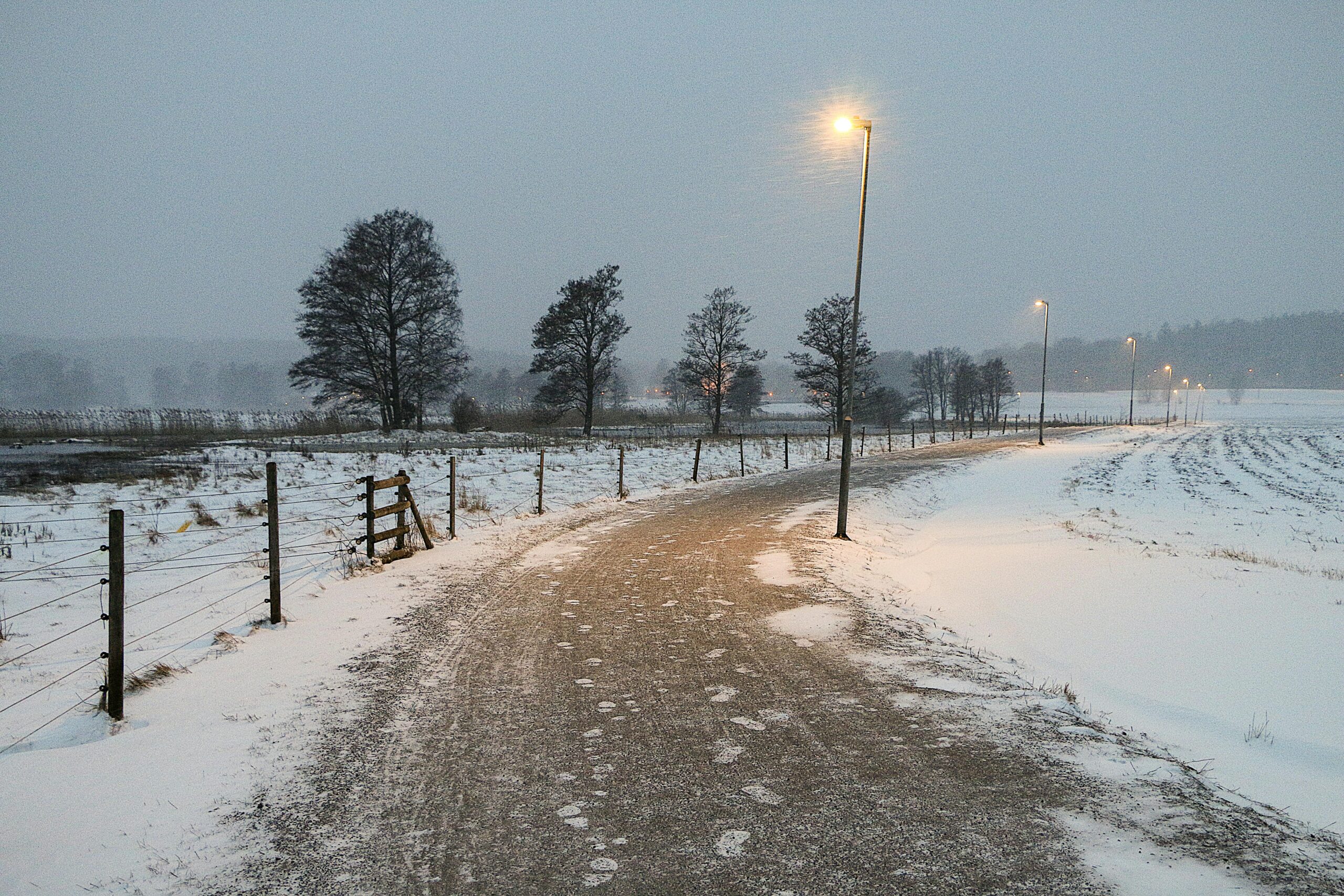
Noise reduction in processing transforms chaotic, grainy visuals into crisp, professional results. Understanding these techniques unlocks exceptional clarity in photography, audio, and digital media.

🎯 Understanding the Nature of Digital Noise
Digital noise manifests as unwanted random variations that degrade image and audio quality. In photography, this appears as grain or color speckles, particularly visible in low-light conditions or high ISO settings. Audio noise presents as hissing, humming, or static that masks desired sounds. These imperfections originate from sensor limitations, electronic interference, compression artifacts, and environmental factors during capture.
The physics behind digital noise involves thermal activity in camera sensors and electronic components. As temperature increases or sensitivity settings rise, electrons move unpredictably, creating false signals that register alongside legitimate data. This phenomenon affects every digital capture device, from smartphone cameras to professional-grade equipment, though severity varies based on hardware quality and environmental conditions.
Modern sensors have improved dramatically, yet noise remains an inevitable companion to digital capture. High ISO photography, extended exposures, and compact sensor designs amplify these challenges. Understanding noise characteristics helps photographers and content creators anticipate problems and apply appropriate solutions during both capture and post-processing stages.
📸 Types of Noise in Visual Media
Luminance noise appears as grainy variations in brightness across an image, similar to film grain but less aesthetically pleasing. This type affects the lightness values while preserving color information relatively intact. Luminance noise often becomes prominent in shadow areas and uniformly dark regions where sensors struggle to distinguish between actual detail and electronic interference.
Chrominance noise manifests as random color splotches, particularly noticeable as red, green, and blue pixels scattered throughout images. This type proves more visually distracting than luminance noise because our eyes detect color inconsistencies readily. Chrominance noise typically appears in underexposed areas and becomes exacerbated when pushing exposure adjustments in post-processing.
Banding represents another noise variant where gradual tonal transitions display as distinct stripes or steps. This artifact commonly occurs in smooth gradients like skies or studio backgrounds, resulting from limited bit depth or aggressive compression. Pattern noise shows repeating structures caused by sensor design or electronic interference, appearing as fixed vertical or horizontal lines across frames.
🔍 Identifying Noise Patterns
Recognizing specific noise characteristics enables targeted correction strategies. Examine images at 100% magnification to assess noise severity and distribution. Shadow regions typically exhibit pronounced noise compared to midtones and highlights. Evaluating out-of-focus areas provides clear visibility of noise patterns without detail complexity complicating analysis.
Different camera models and manufacturers produce characteristic noise signatures. Understanding your equipment’s specific behavior helps establish optimal shooting parameters and realistic expectations for post-processing improvements. Test shots under various ISO settings and lighting conditions create reference points for future work.
🎚️ Noise Reduction Processing Fundamentals
Noise reduction algorithms work by identifying and smoothing random variations while attempting to preserve intentional detail. Spatial domain methods analyze pixel relationships within individual frames, comparing neighboring values to distinguish between legitimate edges and noise. Frequency domain approaches transform images into mathematical representations, separating high-frequency noise from mid-frequency detail.
Effective noise reduction requires balancing between cleanliness and detail preservation. Aggressive processing eliminates noise but creates plasticky, unnatural appearances lacking texture and fine elements. Conservative approaches maintain authenticity but leave distracting artifacts visible. Optimal settings vary based on image content, viewing size, and intended purpose.
Modern noise reduction leverages artificial intelligence and machine learning to make intelligent decisions about what constitutes signal versus noise. These systems train on thousands of image pairs, learning to recognize genuine detail patterns across various subjects and scenarios. AI-powered tools often outperform traditional algorithms by understanding context and content semantically rather than purely mathematically.
⚙️ Processing Workflow Strategies
Implementing noise reduction at the appropriate workflow stage maximizes effectiveness. Processing raw files provides maximum flexibility since unprocessed sensor data contains more information for algorithms to analyze. Apply noise reduction before sharpening to prevent amplifying grain. Consider selective application to problem areas rather than global adjustments affecting entire images uniformly.
Layer-based editing enables sophisticated noise reduction through masking. Apply stronger processing to backgrounds while preserving facial textures in portraits. Use luminosity masks to target specific tonal ranges most affected by noise. This selective approach maintains natural appearance while effectively controlling problematic areas.
🖥️ Software Solutions for Noise Reduction
Professional applications like Adobe Lightroom, Photoshop, and DxO PhotoLab offer powerful integrated noise reduction tools. These programs provide separate controls for luminance and chrominance noise, along with detail preservation sliders balancing smoothness against sharpness. Lightroom’s Detail panel enables targeted adjustments through amount, detail, and contrast parameters for both noise types.
Specialized software like Topaz DeNoise AI and DxO PureRAW focus exclusively on noise reduction, employing cutting-edge algorithms that often surpass general-purpose tools. These applications analyze scene content intelligently, applying variable processing strength based on texture, edges, and subject matter. They integrate into workflows as standalone applications or plugins for major editing platforms.
Mobile applications bring sophisticated noise reduction to smartphones, addressing the particular challenges of small sensors. Apps process images directly on devices or upload to cloud services utilizing powerful remote processing. This democratizes professional-quality results for photographers working entirely within mobile ecosystems.
📱 Mobile Processing Power
Smartphone photography has evolved dramatically, with computational photography partially compensating for physical sensor limitations. Built-in camera apps employ real-time noise reduction during capture, combining multiple frames to extract clean signal from noisy data. This multi-frame synthesis approach creates surprisingly clean images from hardware that would otherwise produce unacceptable noise levels.
Dedicated mobile editing applications extend processing capabilities beyond native camera functions. These apps provide granular control over noise reduction parameters, enabling refinement after initial capture. Many leverage device GPU acceleration for responsive editing despite computationally intensive processing requirements.
🎬 Audio Noise Reduction Principles
Audio noise reduction shares conceptual similarities with visual processing while addressing unique challenges. Background hiss, electrical hum, and environmental interference degrade recordings, masking dialogue and desired sounds. Spectral analysis identifies noise signatures across frequency ranges, enabling targeted removal while preserving primary audio content.
Profile-based noise reduction captures a sample of pure noise from silent passages or dedicated recordings. Algorithms analyze this profile, identifying characteristic frequencies and patterns to remove from the entire recording. This approach works exceptionally well for consistent background noise like air conditioning hum or electronic interference maintaining constant characteristics throughout recordings.
Real-time noise suppression benefits live streaming, podcasting, and video conferencing. Modern processors apply adaptive filtering that responds dynamically to changing acoustic environments. These systems distinguish between speech and noise through pattern recognition, preserving vocal clarity while attenuating unwanted sounds continuously throughout sessions.
🎙️ Professional Audio Processing
Digital audio workstations like Adobe Audition, iZotope RX, and Audacity provide comprehensive noise reduction suites. These platforms offer surgical precision, enabling removal of specific frequency ranges, transient clicks, and isolated disturbances. Spectral editing displays audio visually, allowing manual selection and deletion of noise elements while leaving surrounding content untouched.
Multiband processing divides audio into frequency ranges, applying different noise reduction strategies to bass, midrange, and treble independently. This targeted approach prevents processing artifacts while maximizing clarity across the spectrum. Careful parameter adjustment maintains natural sound character while eliminating distracting elements.
🧠 Machine Learning Revolution
Artificial intelligence transforms noise reduction from mathematical approximation to intelligent interpretation. Neural networks trained on massive datasets learn to recognize genuine detail patterns versus random noise across infinite variations. These systems understand context semantically, distinguishing between intentional texture like fabric weave or skin pores and unwanted grain or color mottling.
Deep learning models analyze images at multiple scales simultaneously, considering both fine detail and broader structure. This hierarchical understanding enables preservation of critical elements while aggressively cleaning problematic areas. Results often appear impossibly clean yet retain authentic texture and micro-detail that traditional algorithms sacrifice.
Continuous improvement through updated training data means AI-powered tools become progressively more capable. Developers refine models based on real-world usage, addressing edge cases and unusual scenarios. This evolutionary development cycle produces steadily improving results without users needing to adjust techniques or parameters fundamentally.
🚀 Future Processing Capabilities
Emerging technologies promise even more remarkable noise reduction capabilities. Computational photography techniques combine multiple exposures intelligently, extracting maximum signal while canceling random noise through statistical analysis. This approach delivers clean results impossible from single captures, effectively increasing sensor performance through processing rather than hardware improvements.
Hardware acceleration through dedicated neural processing units enables complex AI algorithms to run efficiently on consumer devices. This democratizes advanced capabilities previously requiring powerful workstations, making professional-quality results accessible through smartphones and tablets. Edge processing maintains privacy while delivering near-instantaneous results.
⚖️ Balancing Quality and Authenticity
Over-processing represents a significant pitfall in noise reduction work. Excessive smoothing eliminates authentic texture, creating artificial appearances lacking organic qualities. Portraits lose skin texture, landscapes become plastic-looking, and overall images feel synthetic. Recognizing this threshold requires experience and careful evaluation at final output sizes rather than pixel-peeping extreme magnifications.
Maintaining reasonable expectations proves crucial for satisfaction with results. Extreme noise from challenging conditions cannot transform into pristine perfection without sacrificing essential qualities. Accepting some noise often creates more authentic, appealing results than aggressive processing that eliminates character along with imperfections.
Cultural and artistic considerations influence acceptable noise levels. Fine art photography might embrace visible grain as aesthetic choice, while commercial product photography demands absolute cleanliness. Editorial standards vary across publications and platforms. Understanding context and purpose guides appropriate processing decisions aligned with project requirements and audience expectations.
🎨 Creative Applications of Noise
Controlled noise serves creative purposes beyond technical correction. Adding film grain simulates analog aesthetics, introducing organic quality to digital captures. This intentional imperfection creates nostalgia, warmth, and artistic character distinguishing images from sterile digital perfection. Many photographers add grain after noise reduction, replacing random digital artifacts with controlled, aesthetic texture.
Noise contributes to mood and atmosphere in cinematography and photography. Subtle grain suggests intimacy, documentary authenticity, or period-appropriate styling. Varying noise characteristics across color channels creates unique tonal qualities impossible through clean captures. These artistic choices transform technical limitation into expressive tool.
💡 Practical Implementation Tips
Prevention reduces post-processing burden significantly. Shooting at base ISO whenever possible minimizes noise generation during capture. Proper exposure avoids underexposure requiring aggressive brightening that amplifies noise. Using external lighting improves signal-to-noise ratios more effectively than any processing algorithm.
When noise becomes inevitable, expose to the right pushes exposure toward highlights without clipping. This maximizes signal captured in shadow regions where noise concentrates. Slight overexposure during capture followed by darkening in post-processing yields cleaner results than underexposure brightened afterward.
Testing processing approaches with small sections before applying globally saves time and preserves quality. Process representative areas containing both detail and problematic noise, evaluating results at intended viewing sizes. What appears excessive at 200% magnification may look perfect at normal viewing distances.
📊 Comparing Processing Results
| Method | Strength | Detail Preservation | Processing Speed |
|---|---|---|---|
| Traditional Algorithms | Moderate | Good | Fast |
| AI-Powered Tools | Excellent | Excellent | Moderate |
| Multi-Frame Synthesis | Excellent | Very Good | Slow |
| Frequency Separation | Good | Excellent | Manual/Slow |
🔬 Advanced Techniques for Specialists
Frequency separation enables surgical noise control by dividing images into high-frequency detail and low-frequency color/tone layers. Apply noise reduction exclusively to low-frequency layers containing color blotchiness while preserving high-frequency texture completely untouched. This advanced technique demands skill but delivers superior results maintaining authentic micro-detail.
Stacking multiple identical exposures combines frames statistically, averaging noise that varies randomly between shots while reinforcing consistent detail. This technique requires tripod stability and static subjects but produces remarkably clean results from ordinarily noisy situations. Specialized software automates alignment and blending for optimal outcomes.
Custom camera profiles optimized for specific models improve processing starting points. These profiles account for characteristic noise patterns and color responses particular to individual sensor designs. Fine-tuning profiles through calibration targets ensures accurate color and optimal noise handling tailored precisely to your equipment.

🌟 Achieving Professional Polish
Professional results emerge from understanding noise reduction as one component within comprehensive processing workflows. Combine denoising with appropriate sharpening, color correction, and tonal adjustments for cohesive final images. Each processing step influences others, requiring holistic approach rather than isolated treatments.
Consistency across series or projects establishes professional presentation quality. Develop and save processing presets capturing successful approaches for reuse across similar situations. This streamlines workflow while maintaining visual continuity throughout bodies of work.
Continuous learning keeps skills current as technology evolves rapidly. Experiment with new tools, study processing approaches from accomplished practitioners, and analyze successful work identifying qualities worth emulating. Photography and content creation remain perpetually developing fields rewarding ongoing education and experimentation.
Noise reduction transforms technical challenges into opportunities for creative excellence. Mastering these techniques liberates creators from capture limitations, enabling confident work across diverse conditions. Whether processing photographs, video, or audio, understanding noise characteristics and reduction strategies unleashes clear, professional detail from chaotic source material. The journey from noisy capture to pristine result reflects both technical mastery and artistic vision, silencing chaos to reveal clarity.