Astrophotography transforms how we capture the cosmos, but mastering calibration frames—light, dark, flat, and bias—is essential for stunning, noise-free images of the night sky.

🌌 Why Calibration Frames Matter in Astrophotography
When you first venture into astrophotography, the excitement of capturing distant galaxies, nebulae, and star clusters can quickly turn to frustration when your images reveal unwanted noise, vignetting, or strange artifacts. These imperfections aren’t failures of your technique—they’re inherent characteristics of digital sensors that affect every astrophotographer, from beginners to professionals.
Calibration frames are the secret weapon that separates amateur snapshots from professional-grade astrophotography. These special reference images allow you to mathematically remove sensor imperfections, thermal noise, and optical irregularities from your final images. Understanding and properly using light frames, dark frames, flat frames, and bias frames will dramatically elevate the quality of your astrophotography work.
The process might seem technical at first, but once you grasp the purpose of each frame type and how they work together, you’ll wonder how you ever managed without them. Let’s explore each calibration frame type and discover how they unlock the true potential hidden in your astrophotography data.
📸 Light Frames: The Foundation of Your Image
Light frames are your actual astrophotography images—the exposures that contain the celestial objects you want to photograph. These are the frames where your camera sensor captures photons from stars, galaxies, nebulae, or planets through your telescope or camera lens.
When you take a light frame, you’re recording not only the astronomical signal you want but also unwanted data: thermal noise from your camera sensor, read noise from the electronics, vignetting from your optical system, and dust shadows on your sensor or optical elements. This is where the other calibration frames become crucial.
Optimal Light Frame Acquisition
To maximize the quality of your light frames, consider these essential practices:
- Use multiple exposures of the same target rather than a single long exposure
- Match your exposure length to your mount’s tracking accuracy and light pollution levels
- Maintain consistent camera settings throughout your imaging session
- Keep your sensor at a stable temperature if using a cooled camera
- Take enough light frames to build significant signal—typically 2-4 hours of total integration time
The more light frames you capture and stack, the more the random noise components diminish while the actual astronomical signal strengthens. This is the foundation of the signal-to-noise ratio improvement that makes long astrophotography sessions worthwhile.
🌑 Dark Frames: Eliminating Thermal and Read Noise
Dark frames are calibration images taken with your camera’s shutter closed or with the telescope cap on, preventing any light from reaching the sensor. These frames capture the noise signature that your camera sensor generates even in complete darkness.
Every digital sensor produces thermal noise—random electrons generated by heat within the sensor itself. This noise increases with temperature and exposure time. Dark frames record this thermal noise pattern along with fixed-pattern noise and hot pixels (pixels that consistently read brighter than they should).
How Dark Frames Work Their Magic
When you subtract a dark frame from a light frame during image processing, you’re mathematically removing the sensor’s noise signature. This reveals a cleaner version of your astronomical data with significantly reduced noise and no hot pixels marring your image.
The critical requirement for effective dark frames is matching conditions: they must be taken at the same temperature, exposure length, and ISO setting as your light frames. A dark frame taken at 20°C won’t accurately represent the noise in a light frame captured at 10°C, because thermal noise is temperature-dependent.
Creating a Dark Frame Library 📚
Smart astrophotographers build dark frame libraries organized by temperature, exposure time, and ISO. This allows you to use previously captured darks rather than spending valuable dark-sky time capturing new ones for each imaging session.
- Capture dark frames at common temperatures you encounter (in 5°C increments)
- Create sets for your typical exposure lengths (30s, 60s, 120s, 300s, etc.)
- Take at least 20-30 dark frames per set to create a master dark
- Store them organized by camera, temperature, exposure, and ISO
- Update your library periodically as sensor characteristics can change over time
💡 Flat Frames: Correcting Optical Imperfections
Flat frames address a completely different set of problems than dark frames. These calibration images correct for vignetting (darkening at the edges of your image), dust shadows (donuts or blotches from particles on your sensor or optical elements), and uneven illumination across your field of view.
A flat frame is an image of a uniformly illuminated surface taken with the same optical configuration you used for your light frames. The goal is to capture how your optical system and sensor respond to perfectly even illumination, revealing all the irregularities in your imaging train.
Capturing Quality Flat Frames ✨
The challenge with flat frames is creating truly uniform illumination. Several methods exist, each with advantages:
- T-shirt method: Stretch a white t-shirt over your telescope aperture and photograph the dawn or dusk sky
- Flat panels: Purpose-built LED panels that attach to your telescope provide consistent, repeatable illumination
- Sky flats: Photograph the twilight sky itself when it’s evenly bright but no stars are visible
- Dome flats: Used in observatories, photographing an illuminated dome interior
Regardless of method, your flat frame histogram should peak around the middle of the range—roughly 40-50% of the sensor’s maximum value. This ensures you’re capturing enough signal without clipping highlights or drowning in noise from underexposure.
When to Capture Flat Frames
The critical rule for flat frames: they must represent your exact optical configuration during light frame capture. Any change in focus, camera rotation, filter, or optical element requires new flat frames.
Many astrophotographers capture flats at the end of each imaging session, immediately after finishing their light frames, while everything remains unchanged. This discipline ensures perfect correspondence between lights and flats, which is essential for accurate calibration.
⚡ Bias Frames: The Finest Level of Calibration
Bias frames (also called zero frames) are the most subtle calibration frames, yet they play an important role in precision astrophotography. These are the shortest possible exposures your camera can make—typically 1/4000s to 1/8000s—with the shutter closed or lens cap on.
Even at these ultra-short exposures where essentially no photons are collected and minimal thermal noise is generated, your camera’s electronics add a baseline signal to every pixel. This is called read noise or readout bias. Bias frames capture this electronic signature so it can be removed from your other frames.
The Role of Bias in the Calibration Process
Bias frames are particularly important when scaling dark frames. Since dark frames contain both thermal noise (which accumulates over time) and read noise (which is constant regardless of exposure), bias frames allow you to isolate the thermal component. This enables advanced calibration workflows where you can scale dark frames to match different exposure times.
Not all astrophotographers use bias frames—they’re most beneficial when you’re working with multiple exposure lengths or when you need the highest possible calibration accuracy. For straightforward imaging sessions with consistent exposure times and matched dark frames, bias frames are optional but still beneficial.
Capturing and Using Bias Frames
Bias frames are simple to capture and require no special conditions:
- Use your camera’s shortest exposure time
- Keep the shutter closed or lens cap on
- Match the ISO to your light frames
- Temperature doesn’t significantly affect bias frames
- Capture 50-100 bias frames to create a robust master bias
Because bias frames are independent of temperature and exposure time (only dependent on ISO and camera settings), you can build a bias library that lasts for extended periods and applies across many imaging sessions.
🔄 The Calibration Workflow: Bringing It All Together
Understanding each calibration frame type is valuable, but the real power emerges when you combine them in a proper calibration workflow. Modern astrophotography processing software handles this automatically, but knowing the sequence helps you troubleshoot problems and optimize your results.
The Standard Calibration Formula
The mathematical process for calibrating a single light frame follows this sequence:
Calibrated Light = (Raw Light – Master Dark) / (Master Flat – Master Bias)
Let’s break down what happens at each step:
| Step | Operation | Purpose |
|---|---|---|
| 1 | Create Master Bias | Median-combine all bias frames to reduce noise |
| 2 | Create Master Dark | Median-combine all dark frames (optionally subtract master bias first) |
| 3 | Create Master Flat | Median-combine all flat frames, then subtract master bias/dark |
| 4 | Calibrate Light Frames | Apply the formula above to each light frame |
| 5 | Stack Calibrated Lights | Align and combine all calibrated light frames |
This process removes sensor noise, thermal signal, hot pixels, vignetting, dust shadows, and read noise, leaving you with clean astronomical data ready for stacking and processing.
🎯 Best Practices for Calibration Frame Success
Mastering calibration frames requires attention to detail and consistent methodology. These proven practices will help you achieve professional-grade results:
Temperature Management
Temperature consistency is paramount for dark frames. If you’re using a DSLR or mirrorless camera without active cooling, monitor the ambient temperature during your imaging session. Significant temperature swings require capturing new dark frames or using darks from your library that match the new temperature.
Cooled astrophotography cameras with active temperature regulation eliminate this variable, allowing you to use dark frame libraries confidently across different nights and seasons.
Quantity Matters
The effectiveness of master calibration frames increases with the number of individual frames you combine. Random noise components average out when you median-combine multiple frames, resulting in cleaner master calibration files.
- Bias frames: 50-100 frames minimum
- Dark frames: 20-30 frames minimum (more is better for cooled cameras)
- Flat frames: 20-30 frames minimum
The time investment in capturing sufficient calibration frames pays dividends in the quality of your final images.
Consistent Camera Settings 🎚️
All calibration frames must match your light frames in key settings: ISO (gain), binning mode, and sensor temperature. Even small mismatches can reduce calibration effectiveness or introduce new artifacts.
Create a checklist for each imaging session documenting your camera settings. This ensures you capture appropriate calibration frames and helps you retrieve matching frames from your library when needed.
🛠️ Software Tools for Calibration
Numerous software packages handle calibration frame processing, from free open-source options to professional-grade commercial solutions. The core mathematics remain the same, but user interface and advanced features vary.
Popular astrophotography processing software includes DeepSkyStacker (free, Windows), PixInsight (professional, cross-platform), Astro Pixel Processor (user-friendly, cross-platform), and Siril (free, open-source, cross-platform). Each offers automated calibration workflows that apply your master calibration frames to light frames during the stacking process.
Most modern software can automatically detect frame types, match calibration frames to light frames based on metadata, and apply sophisticated algorithms that optimize calibration accuracy. This automation makes proper calibration accessible even to beginners willing to invest time in capturing the necessary calibration frames.
🚀 Advanced Calibration Techniques
Once you’ve mastered basic calibration, several advanced techniques can further improve your results:
Dark Flat Frames
Dark flat frames are dark exposures taken at the same exposure length as your flat frames. These allow you to remove thermal noise from your flat frames before using them to calibrate light frames, resulting in cleaner flat field correction.
Dithering
While not a calibration frame, dithering complements calibration by slightly shifting your telescope pointing between light frame exposures. This distributes hot pixels and other fixed-pattern issues across different pixels in different frames, allowing stacking algorithms to remove them even more effectively.
Sigma Clipping
Advanced stacking software uses sigma clipping algorithms when creating master calibration frames and stacking light frames. This statistical method automatically rejects outlier pixels caused by cosmic rays, satellite trails, or electronic glitches, resulting in cleaner master frames without manual intervention.
💫 Troubleshooting Common Calibration Issues
Even experienced astrophotographers occasionally encounter calibration problems. Recognizing these issues helps you diagnose and correct them quickly:
Overcorrection or Undercorrection
If your calibrated images show inverted vignetting (brighter edges than center) or exaggerated gradients, your flat frames may not match your light frames. Verify that focus, camera rotation, and optical configuration remained unchanged between capturing lights and flats.
Residual Hot Pixels
Persistent hot pixels after calibration indicate temperature mismatch between your dark frames and light frames. Use darks captured at the same temperature, or capture new darks immediately after your imaging session while the camera is still at the same temperature.
Strange Patterns or Artifacts
Unusual patterns appearing after calibration often result from insufficient calibration frames. Increase the number of individual bias, dark, or flat frames to create more robust master calibration files that better average out random variations.
🌟 The Transformation Calibration Brings
The difference between uncalibrated and properly calibrated astrophotography images is dramatic. Vignetting disappears, revealing stars all the way to the frame edges. Dust donuts vanish, no longer distracting from your target. Background noise drops significantly, allowing faint details to emerge. Hot pixels disappear, replaced by actual stellar data.
This transformation isn’t magic—it’s mathematics applied methodically to remove known sources of error and noise. The investment of time in capturing and organizing calibration frames returns tenfold in image quality improvements that no amount of post-processing can replicate.
As you develop your astrophotography workflow, calibration frames will become second nature. You’ll automatically capture flats at the end of each session, maintain organized libraries of darks and bias frames, and integrate calibration seamlessly into your processing routine.
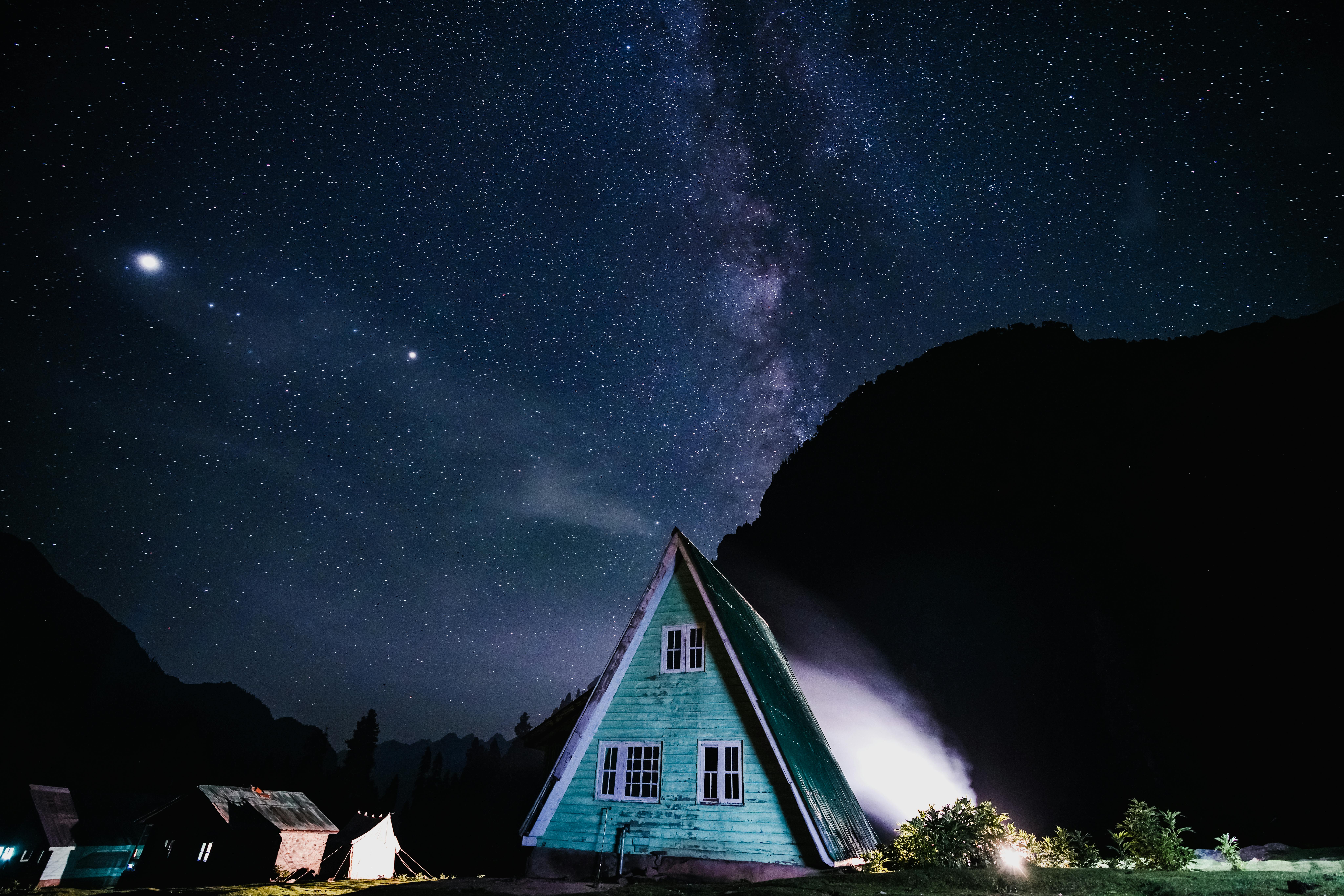
🎨 From Calibration to Final Image
Remember that calibration is just the first step in astrophotography processing. Properly calibrated and stacked data provides a clean foundation, but the creative processing that follows—stretching, color balancing, noise reduction, and detail enhancement—determines your final image’s aesthetic impact.
The beauty of excellent calibration is that it gives you maximum flexibility in processing. Clean data responds predictably to processing techniques, allowing you to push stretches further, reveal fainter details, and apply aggressive noise reduction without creating artifacts. Poor calibration limits your processing options and forces compromises that reduce final image quality.
Mastering light, dark, flat, and bias frames unlocks your camera sensor’s full potential, transforming raw astronomical data into stunning images that reveal the cosmos in exquisite detail. The technical foundation these calibration frames provide supports the artistic vision you bring to astrophotography, enabling you to share the universe’s beauty with others through images that inspire wonder and curiosity about the night sky above us.