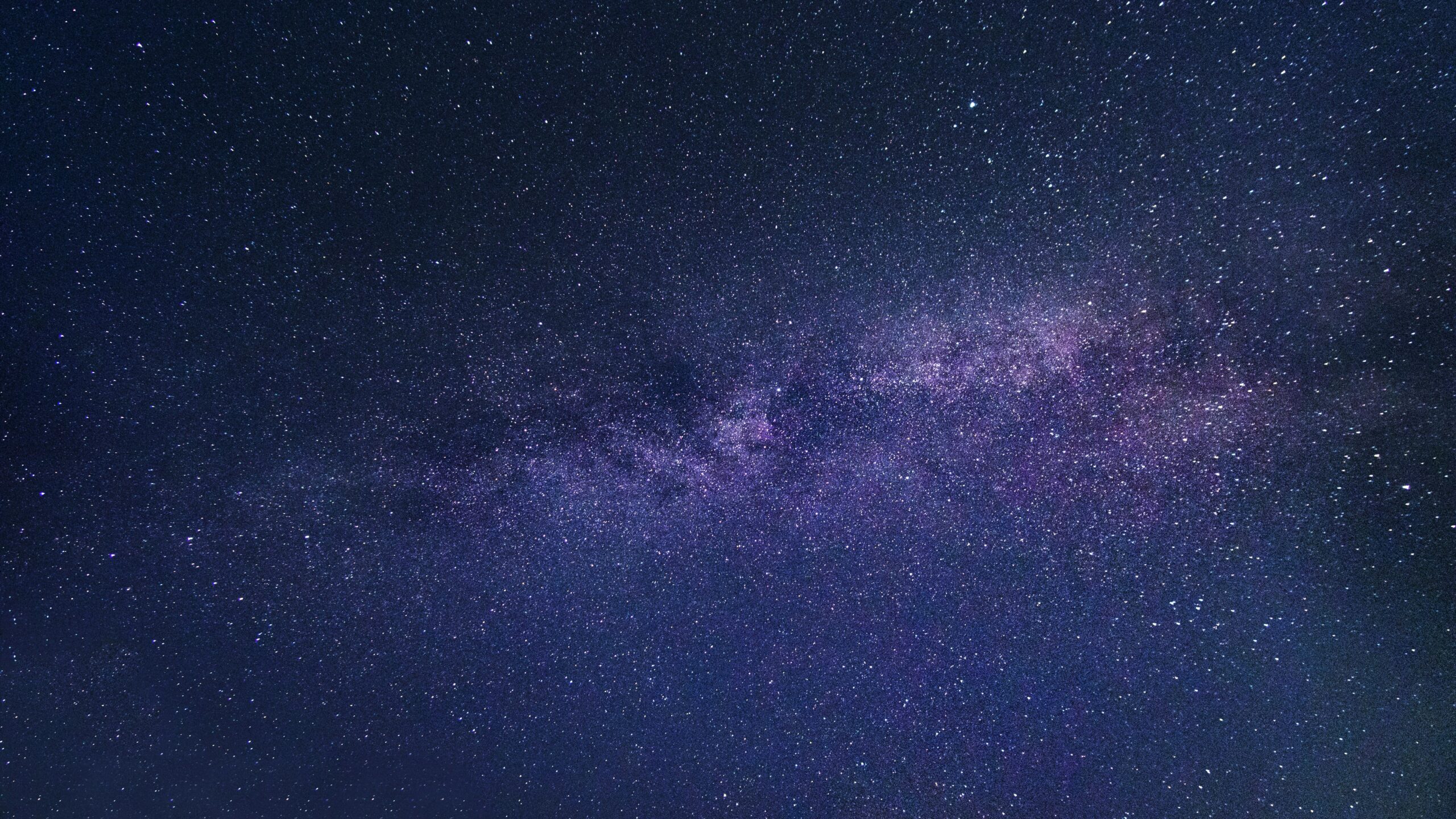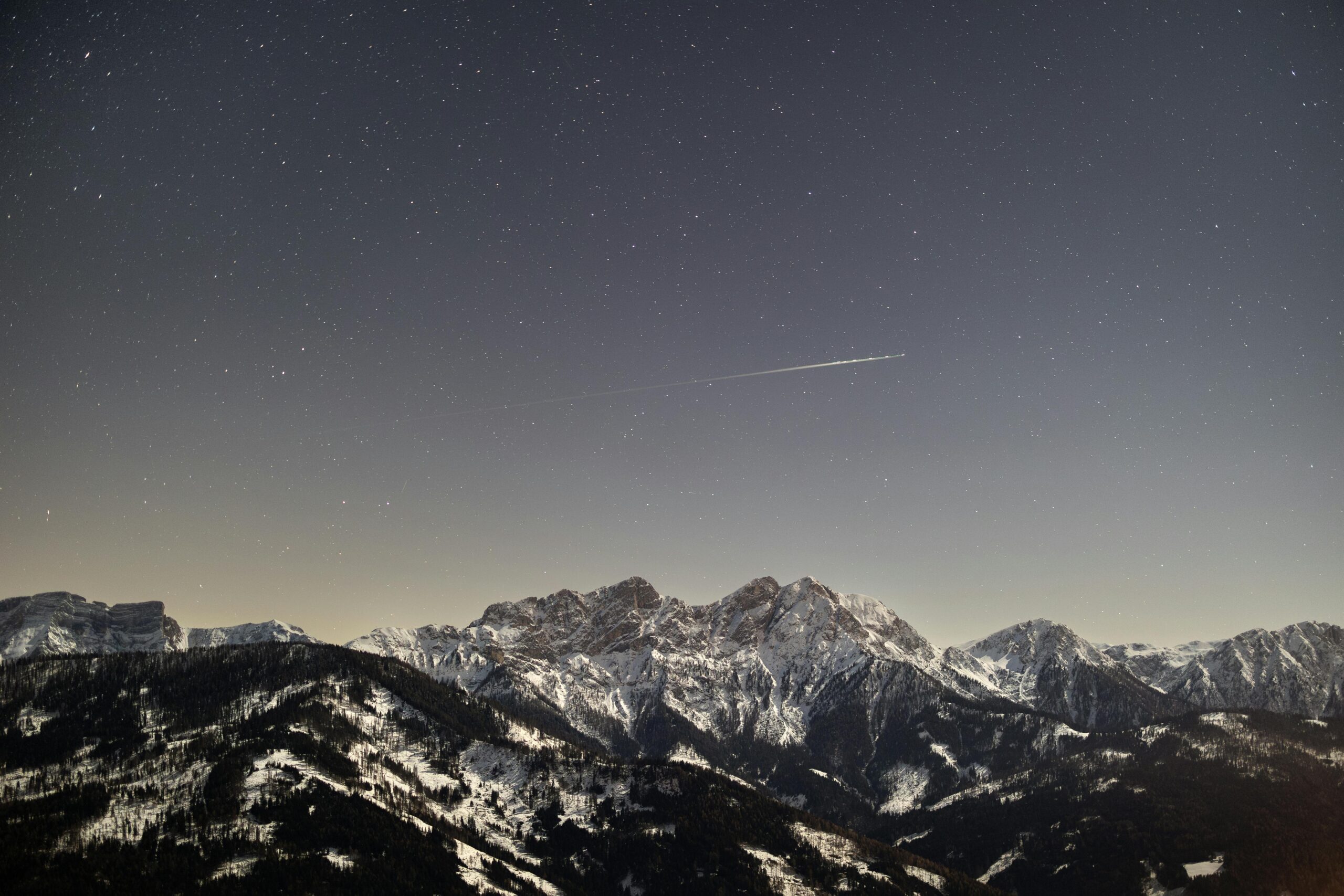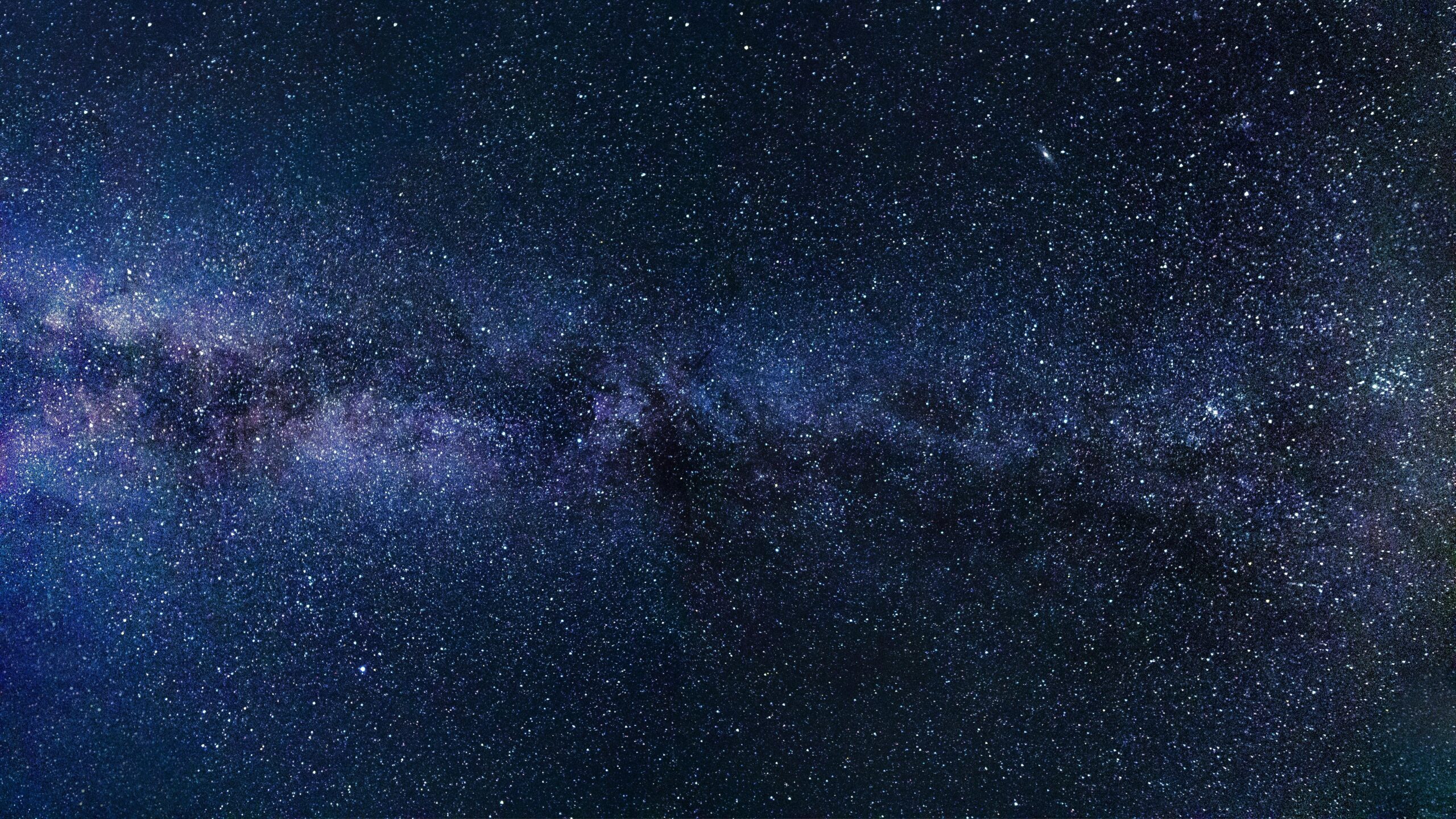
Deep-sky astrophotography transforms cosmic wonders into breathtaking visual narratives. Mastering compositional techniques elevates technical captures into emotionally resonant astronomical art that captivates viewers worldwide.

🌌 Understanding the Canvas of Cosmic Photography
The night sky presents photographers with an infinite canvas where galaxies, nebulae, and star clusters await artistic interpretation. Unlike terrestrial photography, deep-sky imaging requires balancing scientific accuracy with aesthetic vision. The challenge lies not just in capturing faint celestial objects, but in presenting them in compositions that draw viewers into the cosmic depths.
Professional astrophotographers understand that technical excellence alone doesn’t create memorable images. The arrangement of deep-sky objects within the frame, the relationship between foreground and background elements, and the strategic use of negative space all contribute to compositions that resonate on both intellectual and emotional levels.
Before diving into specific techniques, it’s essential to recognize that deep-sky composition differs fundamentally from traditional photography. Your subjects exist millions of light-years away, their positions fixed relative to each other. Success depends on careful planning, understanding celestial mechanics, and developing an intuitive sense for cosmic aesthetics.
The Foundation: Planning Your Celestial Compositions
Exceptional deep-sky compositions begin long before you point your telescope skyward. Planning determines which objects appear together in your field of view, how they relate spatially, and what story your final image will tell. Modern planetarium software allows you to preview compositions months in advance, ensuring you capture targets at optimal positions.
Consider the apparent size of your target relative to your imaging setup’s field of view. A galaxy that fills the entire frame creates an immersive experience, while placing that same galaxy off-center with surrounding star fields can evoke feelings of isolation and vast cosmic distances. Neither approach is inherently superior—your compositional intent should guide these decisions.
Seasonal considerations also play crucial roles. Certain deep-sky objects appear higher in the sky during specific months, reducing atmospheric interference and enabling cleaner compositions. The Milky Way’s galactic core, for instance, dominates summer skies in the northern hemisphere, while winter showcases spectacular nebulae in Orion.
Essential Planning Tools and Resources
Successful astrophotographers rely on specialized applications to visualize compositions before imaging sessions. Stellarium, SkySafari, and Cartes du Ciel provide accurate sky simulations showing exactly how objects will appear through your specific equipment configuration. These tools prevent wasted nights pursuing compositions that won’t work with your available focal length.
Weather forecasting becomes equally critical. Clear Skies charts, satellite imagery, and atmospheric transparency predictions help identify optimal imaging windows. Even the most brilliantly planned composition fails under cloudy skies or turbulent atmospheric conditions that blur fine details.
The Rule of Thirds in Cosmic Contexts
Traditional photographic principles translate surprisingly well to deep-sky imaging, though they require adaptation for the unique nature of astronomical subjects. The rule of thirds—placing key elements along imaginary lines dividing the frame into nine equal sections—creates dynamic tension that guides viewer attention through your composition.
When imaging a prominent galaxy like Andromeda, positioning its bright core at a rule-of-thirds intersection point rather than dead center immediately creates more visual interest. This off-center placement allows the galaxy’s spiral arms to sweep through the frame, drawing eyes along their curves while leaving space for surrounding stars to provide context and scale.
However, cosmic photography often benefits from centered compositions that traditional photography might consider static. Planetary nebulae like the Ring Nebula possess inherent radial symmetry that actually strengthens when centrally placed. The key is understanding when classical rules enhance your subject and when they constrain it.
Breaking Compositional Rules Intentionally
Mastery involves knowing when to abandon conventional wisdom. Dense star clusters like the Pleiades might demand central placement to showcase their intricate internal structure. Wide-field Milky Way compositions often work best with the galactic plane running diagonally across the frame, defying simpler organizational schemes.
Experiment with unconventional framing. Crop tightly on nebula details, isolating intricate structures that wider views might diminish. Alternatively, pull back to show expansive star fields with your primary target as merely one element within a grander cosmic landscape. Both approaches offer valid artistic expressions—your vision determines which serves your narrative.
✨ Leveraging Color and Contrast in Deep Space
Deep-sky objects present extraordinary color palettes rarely seen in terrestrial photography. Hydrogen-alpha emissions produce vivid reds, while oxygen creates blue-green hues. Skilled processing transforms raw monochromatic data into color compositions that reveal physical processes occurring across vast interstellar distances.
Color relationships within your frame significantly impact compositional success. A red emission nebula against predominantly blue background stars creates natural contrast that separates subject from surroundings. Conversely, blue reflection nebulae near hot young stars blend more subtly, requiring careful processing to maintain separation while preserving natural appearance.
Avoid oversaturation that transforms cosmic photographs into garish caricatures. The goal is enhancing visibility of subtle structures while maintaining believable color relationships. Professional astrophotographers often spend more time refining color balance and tonal relationships than on initial capture, recognizing that processing is where compositions truly come alive.
Managing Dynamic Range in Cosmic Scenes
Deep-sky objects often span extreme brightness ranges. Star cores may be thousands of times brighter than faint nebula edges within the same frame. Managing this dynamic range without losing highlight detail or crushing shadow information requires sophisticated processing techniques including tone mapping and luminosity masking.
Strategic use of HDR-like techniques can reveal details across this entire tonal range. However, restraint remains essential—overly aggressive processing creates unnatural halos and compressed tonality that diminishes rather than enhances compositional impact. The most compelling images maintain smooth tonal gradients that guide viewers’ eyes naturally through the frame.
The Power of Negative Space in Astrophotography
Empty areas in your compositions are not wasted space—they’re essential elements that provide visual breathing room and emphasize your primary subjects. In deep-sky imaging, fields of black space or sparse star regions serve crucial compositional functions that beginning astrophotographers often undervalue.
A small galaxy positioned with expansive negative space surrounding it conveys profound isolation and cosmic vastness. This approach evokes emotional responses that tightly cropped versions cannot match. The emptiness itself becomes part of your narrative, suggesting the incomprehensible distances between celestial objects.
Conversely, filling your frame edge-to-edge with nebula structures creates immersive experiences that draw viewers into the cosmic environment. Neither approach is universally superior—understanding when each serves your compositional intent separates competent astrophotographers from true artists.
🔭 Focal Length Considerations and Framing Choices
Your equipment’s focal length fundamentally determines compositional possibilities. Wide-field setups capturing large sky regions tell different stories than long-focal-length systems isolating small cosmic areas. Understanding how focal length affects your compositional options is essential for matching equipment to artistic vision.
Short focal lengths (200-500mm) excel at capturing expansive nebula complexes, showing how individual objects relate within larger cosmic structures. The entire Orion constellation, including the Horsehead Nebula, Orion Nebula, and surrounding molecular clouds, becomes accessible. These compositions emphasize cosmic geography and spatial relationships.
Longer focal lengths (1000-3000mm) enable intimate portraits of individual galaxies and planetary nebulae. Fine structural details emerge—spiral arm dust lanes, galactic bars, and shell structures invisible in wider views. These compositions focus on the intricate architecture of individual objects rather than broader contexts.
Matching Targets to Your Equipment
Successful astrophotographers understand their equipment’s sweet spot. A short-tube refractor with wide-field corrector perfectly frames the North America Nebula complex, while that same nebula becomes merely a small patch in a long-focal-length Schmidt-Cassegrain view. Conversely, attempting to capture small planetary nebulae with ultra-wide setups leaves them as tiny dots lacking impact.
Calculate your equipment’s actual field of view before planning compositions. Simple formulas using your camera sensor size and telescope focal length reveal exactly what fits in frame. This mathematical approach prevents frustration and wasted imaging time pursuing incompatible target-equipment combinations.
Incorporating Foreground Elements for Cosmic Storytelling
Wide-field astrophotography often benefits from terrestrial foreground elements that provide scale, context, and human connection to cosmic subjects. A silhouetted telescope tracking the Milky Way creates narrative tension between observer and observed, between human technology and cosmic immensity.
Natural landmarks—mountains, trees, ancient ruins—anchor celestial compositions to earthly contexts. The Milky Way arching over a desert landscape tells a different story than the same sky region isolated against pure blackness. These grounded compositions help viewers connect emotionally with otherwise abstract cosmic imagery.
However, incorporating foregrounds requires careful exposure balancing. Foreground elements typically need separate exposures than the sky, later blended during processing. Master this technique to create seamless compositions where earthly and cosmic elements integrate naturally rather than appearing obviously composited.
🎨 Advanced Compositional Techniques for Expert Results
Once you’ve mastered fundamental principles, advanced techniques can elevate your deep-sky compositions into truly exceptional works. These approaches require significant time investment and technical skill but yield images that stand apart from standard astrophotography.
Mosaic imaging allows capturing subjects too large for your field of view as multiple panels later stitched together. This technique enables high-resolution compositions of extended objects like the Veil Nebula complex or Andromeda Galaxy while maintaining fine detail throughout. Planning mosaic overlaps and managing consistent exposures across panels demands meticulous attention but produces stunning results.
Narrowband imaging using specialized filters isolates specific wavelengths emitted by ionized gases. Mapping these narrowband channels to RGB colors creates false-color compositions revealing structures invisible to broadband imaging. The famous Hubble Palette assigns sulfur, hydrogen, and oxygen emissions to red, green, and blue channels respectively, producing distinctive golden and teal color schemes.
Creating Visual Flow and Guiding Viewer Attention
Exceptional compositions control how viewers’ eyes move through the image. Leading lines—such as nebula structures, star chains, or dust lanes—draw attention along specific paths. Circular or spiral structures naturally attract eyes inward toward their centers. Strategic placement of bright stars or contrasting elements creates visual anchors that hold attention.
Consider the entire visual journey your composition provides. Where do eyes first land? What path do they follow? Where do they ultimately rest? Intentionally designing these visual routes transforms random celestial documentation into purposeful artistic statements.
Processing: Where Compositions Truly Emerge
Raw astrophotography data rarely resembles final compositions. Extensive processing reveals latent information, emphasizes important structures, and suppresses distractions. This processing phase is where compositional vision materializes—where technical captures become artistic expressions.
Selective adjustments using masks and layers allow emphasizing specific regions while subduing others. Brighten a galaxy’s dim outer regions to reveal spiral structure. Darken busy star fields surrounding your primary nebula to increase its prominence. These targeted interventions guide viewer attention toward compositionally important elements.
Cropping decisions finalize your composition, removing extraneous elements and perfecting spatial relationships. Don’t feel obligated to use your entire captured frame. Sometimes the strongest composition emerges from a tighter crop that simplifies the visual narrative and strengthens your primary subject’s impact.
Learning From the Masters of Cosmic Composition
Study exceptional astrophotography to internalize successful compositional strategies. Analyze how award-winning images balance elements, use color, and guide attention. Notice what makes certain compositions memorable while others fade into forgetting. This analytical viewing develops your compositional intuition faster than years of trial-and-error shooting.
Astrophotography competitions and galleries like those at Astronomy Photographer of the Year showcase current excellence standards. Observe trends while identifying timeless principles that transcend temporary fashions. The most enduring compositions combine technical perfection with genuine artistic vision rather than following formulaic approaches.
Participate in astrophotography communities where experienced imagers provide constructive composition critiques. Fresh perspectives reveal blind spots in your own work and suggest alternative approaches you might not have considered. This collaborative learning accelerates skill development tremendously.
🚀 Developing Your Unique Cosmic Vision
Technical mastery and compositional principles provide foundations, but your unique artistic perspective ultimately distinguishes your work. What cosmic phenomena fascinate you? What emotional responses do you seek to evoke? What stories do you want your images to tell? Answering these questions develops a signature style that makes your astrophotography instantly recognizable.
Some astrophotographers favor detailed, scientifically accurate renditions that showcase celestial objects as close to visual reality as possible. Others embrace artistic interpretation, using aggressive processing and unconventional color palettes to create impressionistic cosmic visions. Neither approach is inherently superior—authenticity to your artistic vision matters most.
Experiment boldly while developing your voice. Try compositions that feel uncomfortable or violate conventional wisdom. Some experiments will fail spectacularly, but others will reveal new possibilities that become signature elements of your style. Artistic growth requires stepping beyond comfort zones into uncertain creative territory.
The Endless Journey of Cosmic Composition
Mastering deep-sky composition is not a destination but an ongoing journey of discovery and refinement. Each imaging session presents new challenges, unexpected opportunities, and lessons that deepen your understanding. The universe offers infinite subjects, each demanding unique compositional considerations.
Weather constraints, equipment limitations, and technical challenges will frustrate you. Some carefully planned compositions will fail due to factors beyond your control. Persistence through these inevitable setbacks separates hobbyists from serious astrophotographers who consistently produce exceptional work.
Return to favorite targets with fresh perspectives. Your compositional approach to the Orion Nebula this year should differ from last year’s as your skills and artistic vision evolve. Familiar objects become vehicles for exploring new techniques and pushing creative boundaries.
Continue learning throughout your astrophotography journey. New processing techniques, emerging equipment technologies, and evolving artistic sensibilities constantly expand what’s possible. The astrophotographers who remain relevant and continue improving are those who never stop experimenting, learning, and refining their craft.
The cosmos awaits your unique interpretation—frame it beautifully, process it thoughtfully, and share your vision with a world hungry for connection to the magnificent universe surrounding us. Your compositions can inspire wonder, provoke contemplation, and remind viewers that we’re all part of something incomprehensibly vast and beautiful. That’s the true power of masterful deep-sky astrophotography composition.