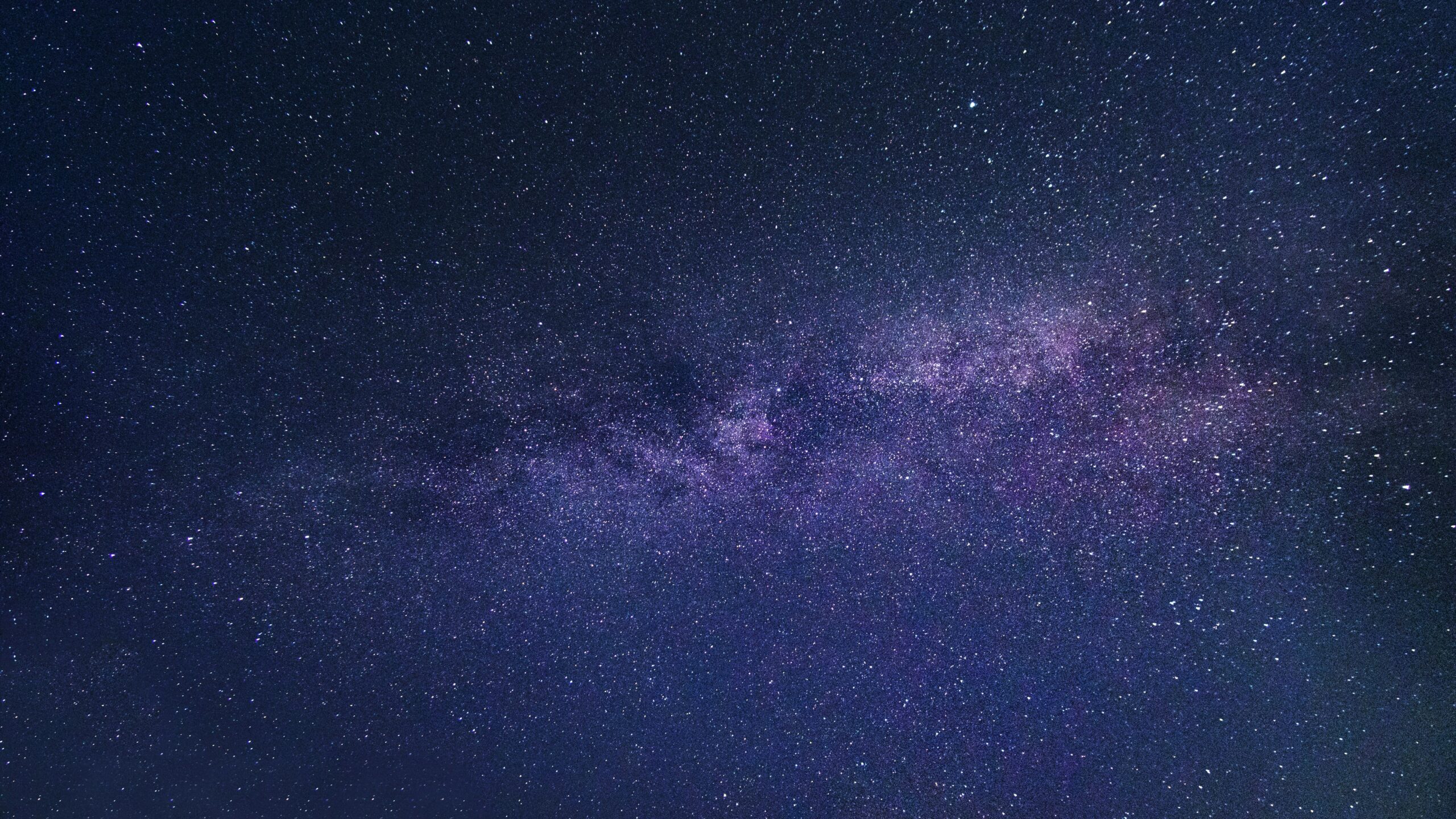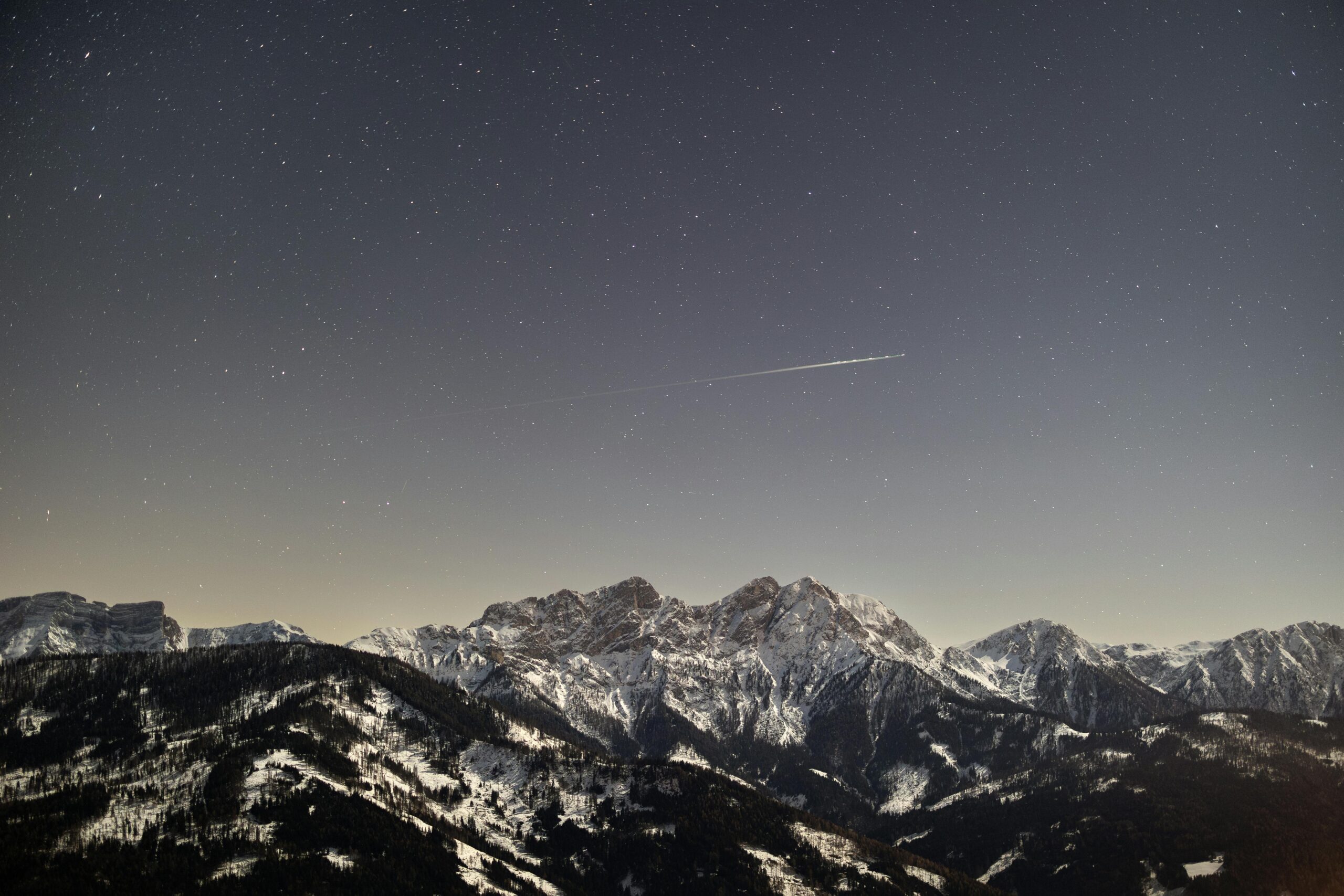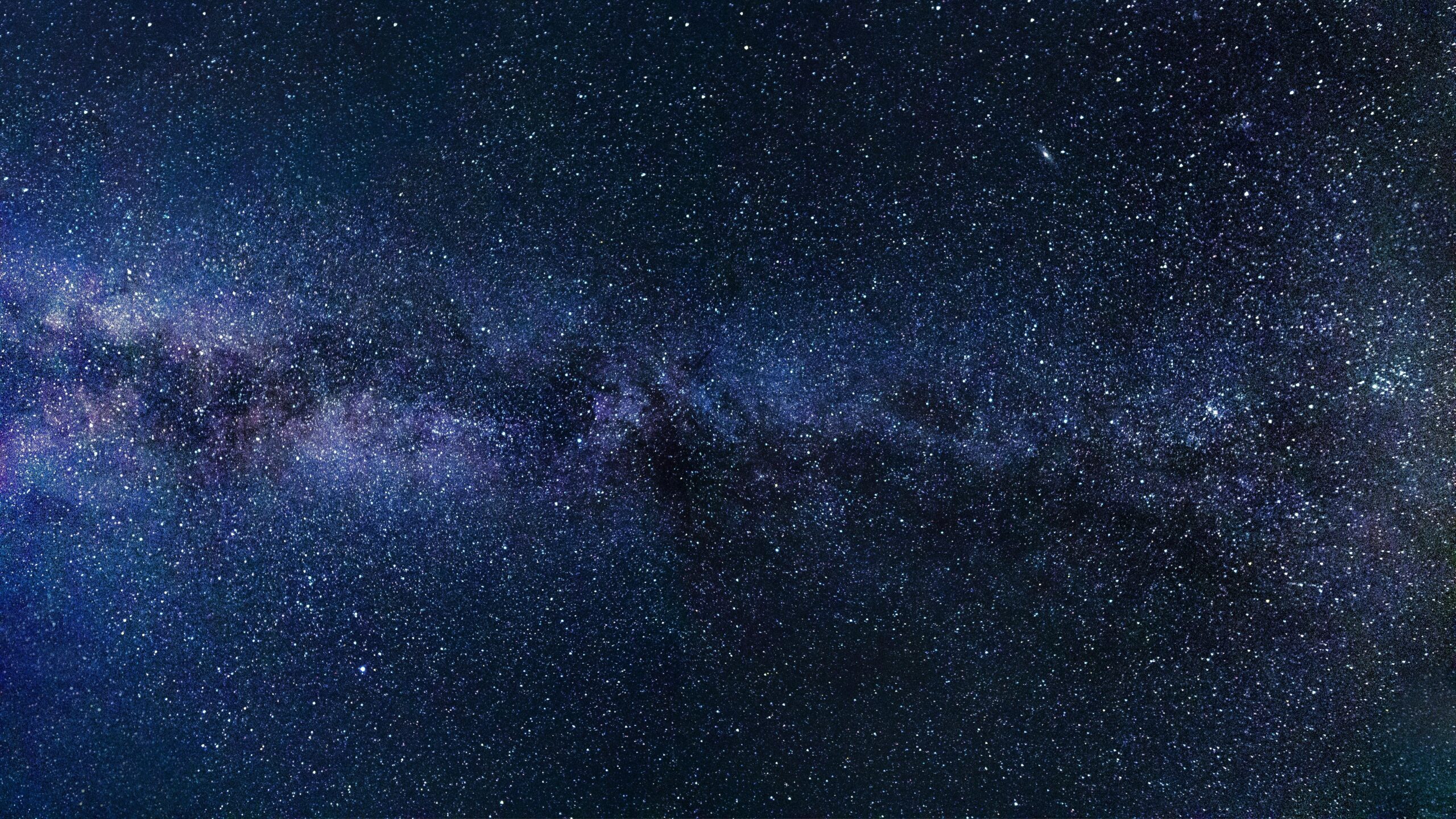
The night sky holds endless wonders, and with the right telescope, you can explore distant nebulae and galaxies from your own backyard. 🔭✨

Gazing up at the stars has captivated humanity for millennia, but today’s amateur astronomers have access to technology that would have amazed even professional scientists just decades ago. Whether you’re a curious beginner or an experienced stargazer looking to upgrade your equipment, choosing the perfect telescope for deep-sky observation requires understanding several key factors that will dramatically impact your celestial viewing experience.
Understanding Deep-Sky Objects: What Makes Nebulae and Galaxies Special
Before diving into telescope specifications, it’s essential to understand what you’re actually trying to observe. Nebulae and galaxies represent some of the most challenging yet rewarding targets in amateur astronomy, and they demand different capabilities from your equipment compared to planetary or lunar observation.
Nebulae are vast clouds of gas and dust scattered throughout our Milky Way galaxy. These celestial nurseries, where stars are born, come in various types including emission nebulae that glow with ionized gas, reflection nebulae that scatter light from nearby stars, and dark nebulae that block background light. Famous examples include the Orion Nebula, the Eagle Nebula with its iconic “Pillars of Creation,” and the stunning Veil Nebula supernova remnant.
Galaxies, on the other hand, are enormous collections of billions or even trillions of stars, along with gas, dust, and dark matter, all bound together by gravity. When you observe galaxies like Andromeda, the Whirlpool Galaxy, or the Sombrero Galaxy, you’re looking at light that has traveled millions of years to reach your eye.
The challenge with both nebulae and galaxies is that they’re extremely faint and often lack the sharp contrast of planets or the Moon. This fundamental characteristic dictates the specific features you’ll need in a telescope designed for deep-sky observation.
Aperture: The Single Most Important Factor 🌌
When it comes to observing faint deep-sky objects, aperture is king. The aperture is simply the diameter of your telescope’s main optical element—either the primary mirror in a reflector telescope or the objective lens in a refractor. This measurement, typically given in millimeters or inches, determines how much light your telescope can gather.
Light-gathering power increases exponentially with aperture. A telescope with an 8-inch (200mm) aperture collects four times more light than a 4-inch (100mm) scope, and sixteen times more than a 2-inch (50mm) telescope. Since nebulae and galaxies emit relatively little light that reaches Earth, maximizing aperture is your primary tool for revealing their subtle details and structure.
For serious nebula and galaxy observation, consider these aperture guidelines:
- 4-6 inches (100-150mm): Suitable for brighter Messier objects like M31 (Andromeda Galaxy) and M42 (Orion Nebula), but details will be limited
- 8 inches (200mm): The sweet spot for many amateur astronomers, revealing hundreds of galaxies and nebulae with good detail
- 10-12 inches (250-300mm): Excellent for deep-sky work, showing faint objects and subtle structures in brighter targets
- 14+ inches (350mm+): Premium deep-sky viewing, but portability and cost become significant considerations
Telescope Types: Finding Your Perfect Match
Three main telescope designs dominate the amateur astronomy market, each with distinct advantages and disadvantages for deep-sky observation. Understanding these differences will help you make an informed choice based on your specific needs and circumstances.
Newtonian Reflectors: The Deep-Sky Favorite
Newtonian reflector telescopes use a curved primary mirror to collect light and a smaller secondary mirror to direct it to an eyepiece mounted on the side of the tube. For deep-sky observation, Newtonians offer the best aperture-to-cost ratio, making them extremely popular among galaxy and nebula enthusiasts.
A Dobsonian mount variation—a Newtonian on a simple alt-azimuth base—provides exceptional value. You can purchase an 8-inch Dobsonian for roughly the same price as a 4-inch refractor, giving you four times the light-gathering power. Many serious deep-sky observers use 10-inch, 12-inch, or even larger Dobsonians as their primary instruments.
The main drawbacks of Newtonians include requiring periodic collimation (optical alignment), potential tube currents affecting image quality until the mirror reaches ambient temperature, and larger physical size compared to other designs of equivalent aperture.
Refractor Telescopes: Crisp Views with Limitations
Refractors use a lens at the front of the tube to gather and focus light. They provide excellent contrast and essentially maintenance-free operation, making them appealing for observers who want to spend time observing rather than adjusting their equipment.
For deep-sky work, however, refractors face significant limitations. Larger apertures become prohibitively expensive due to the cost of manufacturing precision glass lenses. High-quality apochromatic refractors, which minimize chromatic aberration, can cost several thousand dollars for even modest 4-5 inch apertures—the price of a much larger reflector.
That said, a well-made 4-6 inch apochromatic refractor delivers stunning wide-field views of larger nebulae and can be perfect for astrophotography when paired with a quality mount.
Compound Telescopes: Portability Meets Performance
Schmidt-Cassegrain and Maksutov-Cassegrain telescopes use a combination of mirrors and lenses to fold the optical path, creating a compact design. An 8-inch compound telescope tube might be only 16-20 inches long, compared to 48 inches for an equivalent Newtonian.
This portability advantage makes compound telescopes popular for observers with limited storage space or those who travel to dark sites. They’re also commonly paired with computerized mounts, making them excellent choices for observers interested in astrophotography alongside visual observation.
The trade-offs include higher cost per inch of aperture compared to Newtonians, potentially longer cool-down times, and a narrower field of view that can make locating faint extended objects more challenging.
Focal Ratio: Understanding F-Numbers for Deep-Sky Success
The focal ratio, expressed as f/4, f/5, f/8, etc., is calculated by dividing the telescope’s focal length by its aperture. This number significantly impacts your observing experience, particularly for deep-sky objects.
Fast focal ratios (f/4 to f/6) provide wider fields of view at a given magnification, making it easier to fit large nebulae and galaxies in the eyepiece. They’re also brighter per unit area, which helps when observing extended faint objects. Many Dobsonian reflectors feature focal ratios around f/4.5 to f/5 specifically for these advantages.
Slower focal ratios (f/8 to f/15) provide narrower fields and require higher quality eyepieces to perform well at fast focal ratios, but they’re more forgiving of optical imperfections and often deliver sharper images when targeting smaller deep-sky objects or planetary nebulae.
For dedicated nebula and galaxy observation, focal ratios between f/4 and f/6 are generally preferred, though experienced observers often own multiple telescopes to cover different observing situations.
Mount Considerations: Stability Matters More Than You Think
Even the finest optical tube assembly becomes frustrating to use when paired with an inadequate mount. Vibrations from wind or even the act of focusing can take many seconds to dampen on a poorly-designed mount, significantly impacting your viewing experience.
For deep-sky observation, you have two main mounting choices:
Alt-Azimuth Mounts
These mounts move up-down and left-right, much like a camera tripod. Dobsonian bases represent the simplest and most economical alt-azimuth design, providing smooth motion and excellent stability at minimal cost. The disadvantage is that you must constantly adjust both axes to track objects as Earth rotates, and they’re not suitable for long-exposure astrophotography.
Equatorial Mounts
Aligned with Earth’s rotational axis, equatorial mounts allow you to track celestial objects by adjusting only one axis. More sophisticated versions include motors that automatically track objects, and the best computerized equatorial mounts can accurately track for hours-long astrophotography exposures.
For visual deep-sky observation only, a simple Dobsonian mount offers the best value. If you’re interested in astrophotography or want computerized object location, invest in a quality equatorial mount—but be prepared for significantly higher costs.
Essential Accessories for Deep-Sky Exploration 🔍
Your telescope is just the beginning. Several accessories dramatically enhance your ability to observe nebulae and galaxies effectively.
Eyepieces: Your Window to the Universe
Quality eyepieces matter tremendously, especially with fast focal ratio telescopes. Start with a low-power wide-field eyepiece (providing 25-40x magnification) for locating objects and viewing large nebulae, and a medium-power eyepiece (80-120x) for examining smaller deep-sky targets.
Wide apparent field eyepieces (70-100 degrees) create an immersive viewing experience, particularly impressive when scanning along the Milky Way or viewing large nebulae like the Veil or North America Nebula.
Filters: Revealing Hidden Details
Nebula filters work magic on emission nebulae by blocking light pollution while transmitting the specific wavelengths these objects emit. An OLED (Oxygen III) filter dramatically enhances planetary nebulae and supernova remnants, while UHC (Ultra High Contrast) filters provide broader benefits across many emission nebulae.
For galaxies, filters generally provide less benefit, though light pollution reduction filters can help by darkening the sky background when observing from suburban locations.
Red Flashlight and Star Charts
Preserving your night vision is critical for observing faint objects. A red LED flashlight allows you to consult charts and adjust equipment without destroying your dark adaptation. Alternatively, astronomy apps with night mode can provide similar functionality.
Dark Skies: Location Makes All the Difference 🌠
No telescope, regardless of aperture or quality, can overcome severely light-polluted skies when observing faint nebulae and galaxies. The Bortle scale rates sky darkness from 1 (pristine dark sky) to 9 (inner city), and your location dramatically affects what you can observe.
From Bortle 8-9 locations (typical suburbs and cities), only the brightest Messier objects will be visible, and even these will appear as faint smudges. From Bortle 4-5 locations (rural areas), hundreds of galaxies and nebulae become accessible. From truly dark Bortle 1-2 sites, the universe reveals itself in stunning detail, with the Milky Way’s structure visible to the naked eye and thousands of deep-sky objects within reach.
Consider your typical observing location when choosing equipment. If you’re confined to light-polluted areas, larger aperture becomes even more critical, and filters become essential tools. If you can regularly travel to dark sites, even modest apertures can reveal remarkable celestial treasures.
Budget Planning: Maximizing Your Investment 💰
Telescope pricing spans an enormous range, from under $200 to tens of thousands of dollars. For dedicated deep-sky observation, consider these budget categories:
| Budget Range | Recommended Equipment | What You Can Expect |
|---|---|---|
| $300-$600 | 6-8″ Dobsonian reflector | Excellent starter scope; bright Messier objects clearly visible; good detail on Orion Nebula, Andromeda, major clusters |
| $600-$1,200 | 10″ Dobsonian or 8″ on quality mount | Serious deep-sky capability; hundreds of galaxies accessible; nebula details emerge |
| $1,200-$3,000 | 12″ Dobsonian or 8″ SCT with computerized mount | Premium visual observation; astrophotography capable; portable to dark sites |
| $3,000+ | Large Dobsonian (14″+) or premium astrophotography rig | Professional-grade capabilities; can observe objects in catalogs beyond Messier and NGC |
Remember to budget for accessories. Plan to spend roughly 20-30% of your telescope budget on quality eyepieces, filters, charts, and other essential accessories.
Taking Your First Steps: Beginning Your Deep-Sky Journey 🚀
Once you’ve acquired your telescope, start with realistic expectations. Unlike the colorful Hubble images you’ve seen online, visual observation through even large telescopes shows most objects as monochromatic—our eyes simply aren’t sensitive enough to register colors in faint objects.
Begin with the Messier catalog, a list of 110 bright deep-sky objects specifically compiled because they’re easily confused with comets. Objects like M31 (Andromeda Galaxy), M42 (Orion Nebula), M13 (Hercules Cluster), and M51 (Whirlpool Galaxy) provide stunning views through modest telescopes and help you develop your observation skills.
Practice averted vision—looking slightly to the side of faint objects rather than directly at them. This technique uses the more light-sensitive rods in your peripheral vision, often revealing details invisible when looking directly at an object.
Join a local astronomy club if possible. Experienced observers can provide invaluable guidance, and many clubs host star parties where you can try different telescopes before making your purchase decision.
Embracing the Learning Curve: Patience Rewards the Persistent Observer
Understanding that skilled observation is a learned ability helps prevent early disappointment. Your brain needs time to learn what to look for when examining faint nebulae and galaxies. Details invisible during your first observation often become apparent after you’ve observed the same object several times.
Keep detailed observing notes, including date, time, equipment used, seeing conditions, and sketches if you’re artistically inclined. Reviewing these notes months or years later reveals how much your observational skills have improved.
Different objects show their best faces at different times of year. Spring and summer offer optimal views of galaxies, particularly the Virgo Cluster with its thousands of island universes. Autumn and winter showcase emission nebulae, including the spectacular Orion, North America, and Veil nebulae.
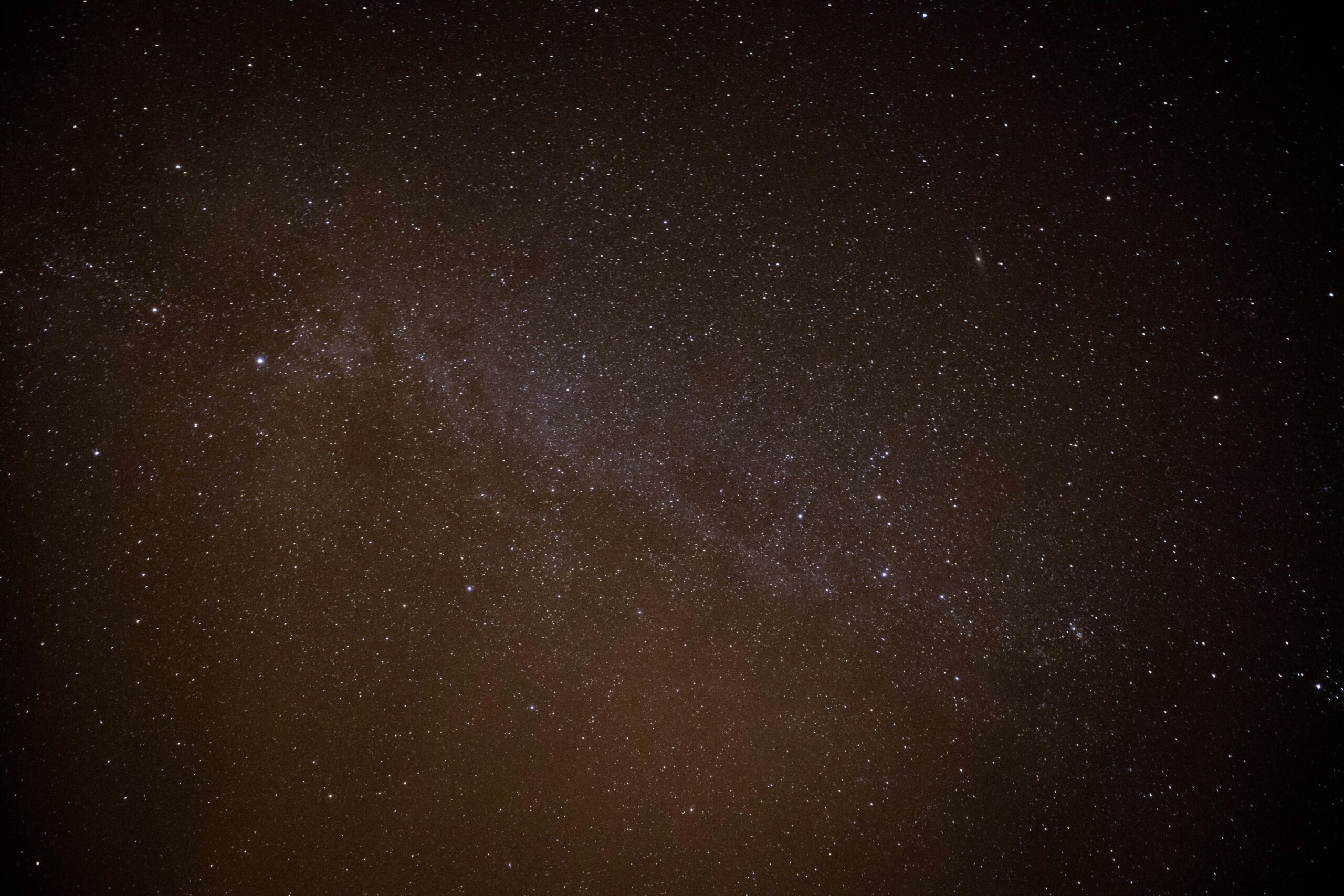
Your Personal Window to Cosmic Wonders Awaits ✨
Choosing the perfect telescope for observing nebulae and galaxies ultimately depends on balancing aperture, portability, budget, and your specific observing circumstances. An 8-inch Dobsonian provides tremendous value for observers prioritizing deep-sky observation on a budget, while those seeking portability or astrophotography capabilities might prefer a compound telescope on a computerized mount.
Whatever equipment you choose, remember that the best telescope is the one you’ll actually use regularly. A massive 16-inch Dobsonian might gather incredible amounts of light, but if it’s too heavy to move easily and sits in your garage unused, a smaller 8-inch scope that you take out frequently will provide far more rewarding experiences.
The universe has waited billions of years for you to look up. With the right telescope and dedication to learning the craft of observation, you’ll unlock cosmic mysteries that would have been unimaginable to our ancestors—revealing the true scale, beauty, and wonder of the universe we inhabit. Clear skies await! 🌌