Our planet’s night sky is vanishing. Light pollution dims the stars, disrupts ecosystems, and disconnects us from the universe’s natural wonder—but we can reclaim it.

✨ The Lost Heritage of Starlit Nights
For millennia, humans navigated by the stars, told stories through constellations, and felt humbled by the cosmic expanse above. Today, more than 80% of the world’s population lives under light-polluted skies, and nearly one-third of humanity cannot see the Milky Way from their homes. This dramatic shift has occurred within just a few generations, fundamentally altering our relationship with the night.
Light pollution isn’t merely an astronomical concern—it represents a profound environmental crisis affecting wildlife, human health, energy consumption, and our cultural connection to the cosmos. Understanding this problem is the first step toward preserving the dark skies that remain and reclaiming those we’ve lost.
🌍 Understanding Light Pollution: More Than Just Bright Lights
Light pollution occurs when artificial light scatters into the atmosphere, creating a luminous veil that obscures celestial objects. This phenomenon takes several distinct forms, each with unique characteristics and impacts.
The Four Types of Light Pollution
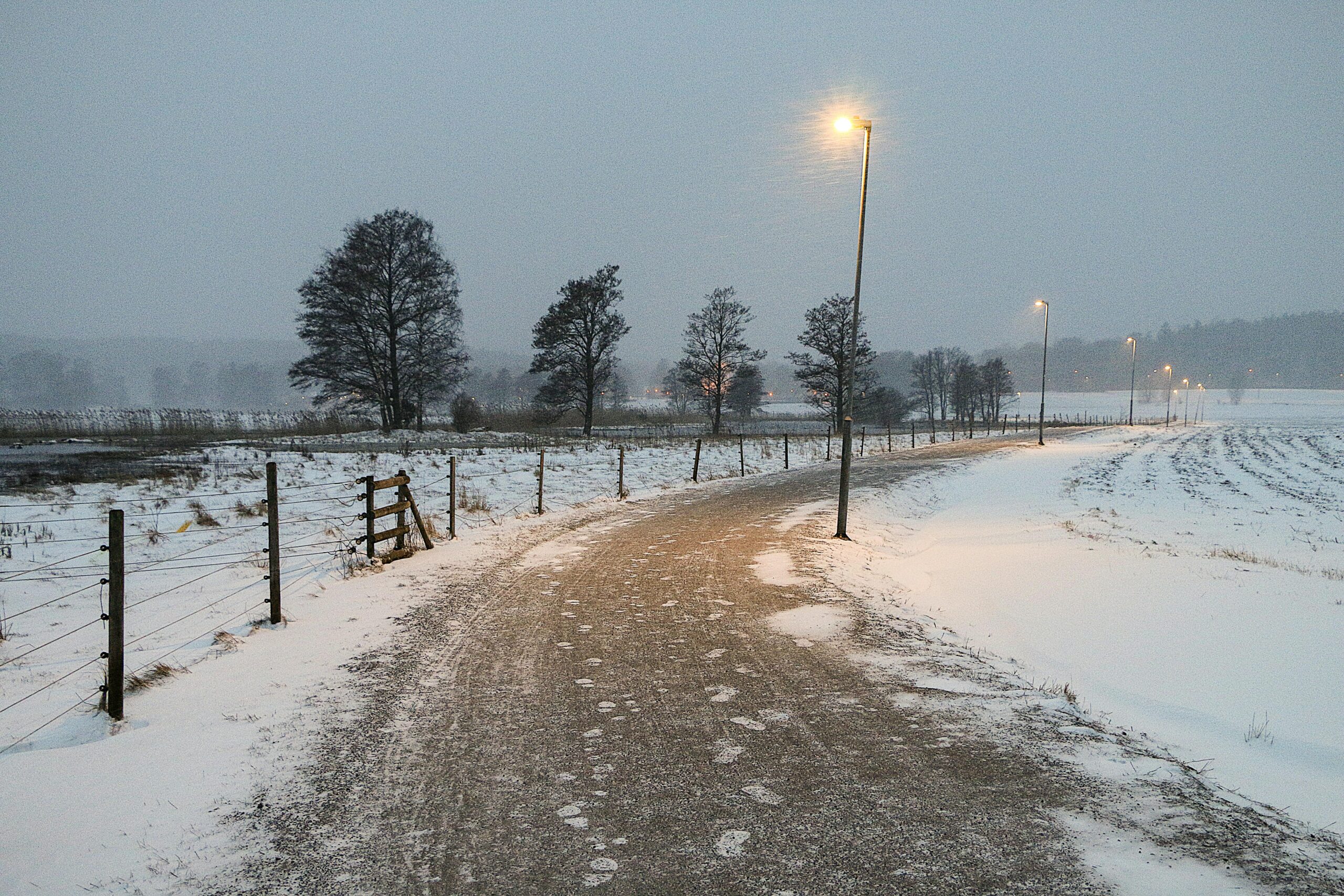
Sky glow is perhaps the most recognizable form—that orange or grayish dome of light visible above cities. It results from light scattering off water droplets, dust particles, and other atmospheric elements, effectively creating an artificial ceiling that blocks our view of space.
Glare occurs when excessive brightness causes visual discomfort, reducing visibility and creating safety hazards. Those overly bright LED streetlights that make you squint while driving? That’s glare, and it actually decreases safety rather than improving it.
Light trespass happens when unwanted light invades areas where it isn’t needed—like your neighbor’s security light streaming through your bedroom window at 2 AM. This intrusive illumination affects sleep quality and privacy.
Clutter refers to excessive groupings of bright, confusing light sources, particularly common in urban commercial districts. Think Times Square—visually overwhelming and disorienting, making it difficult to navigate safely.
🦉 The Ecological Cost of Illuminated Nights
The consequences of light pollution extend far beyond astronomy enthusiasts missing out on stargazing opportunities. Artificial light at night disrupts ecosystems in ways scientists are only beginning to fully understand.
Wildlife in Crisis
Sea turtles provide a heartbreaking example. Hatchlings naturally navigate toward the brightest horizon—historically the moon and stars reflecting off ocean waves. Today, coastal lighting draws them inland instead, where they die from dehydration, predation, or being run over by vehicles. Millions of hatchlings perish annually due to light pollution.
Migratory birds face similar disorientation. Approximately one billion birds die each year in North America alone from collisions with illuminated buildings. Artificial light disrupts their magnetic compass, attracts them to urban areas during migration, and exhausts them as they circle brightly lit structures.
Insects experience catastrophic attraction to artificial lights—a phenomenon called positive phototaxis. They exhaust themselves flying around light sources, become easy prey, or die from the heat. This contributes to the alarming global insect decline, which cascades through food webs affecting birds, bats, and entire ecosystems.
The Human Health Dimension
Humans evolved under natural light-dark cycles, and our biology depends on them. The circadian rhythm—our internal 24-hour clock—regulates sleep, hormone production, cell regeneration, and countless other physiological processes. Artificial light at night disrupts this ancient timing system.
Blue-wavelength light, abundant in LED lights and screens, particularly suppresses melatonin production. This hormone doesn’t just make us sleepy; it acts as a powerful antioxidant and plays crucial roles in immune function. Chronic melatonin suppression correlates with increased risks of obesity, diabetes, depression, and certain cancers.
Shift workers and those living in heavily light-polluted areas show higher rates of these health conditions, suggesting artificial light at night represents a genuine public health concern deserving greater attention.
💡 Smart Solutions: Reducing Light Pollution Where You Live
The encouraging news about light pollution is its reversibility. Unlike many environmental problems, turning off a light produces immediate results. Here’s how you can make a meaningful difference.
Start at Home: Outdoor Lighting Audit
Walk around your property at night and critically assess every light source. Ask yourself: Is this light necessary? What purpose does it serve? Could it serve that purpose better with less intensity or different positioning?
Many outdoor lights remain on all night unnecessarily. Motion sensors, timers, and dimmers can dramatically reduce your light pollution footprint while maintaining security and functionality. A motion-activated porch light provides illumination when needed without contributing to sky glow for eight hours nightly.
The Five Principles of Responsible Lighting
Useful: Light should have a clear purpose. Decorative lighting that serves no functional role simply wastes energy and contributes to pollution. Before installing any outdoor light, define its specific function.
Targeted: Direct light downward and only toward areas requiring illumination. Fully shielded fixtures prevent light from escaping upward or sideways. A well-designed light illuminates the pathway, not your neighbor’s bedroom or the night sky.
Low level: Brighter isn’t always better. Human eyes adapt remarkably well to lower light levels. What initially seems dim becomes perfectly adequate after a few minutes as your pupils dilate. Start with lower wattage and increase only if genuinely necessary.
Controlled: Use lights only when and where needed. Timers, motion sensors, and manual switches give you control. Consider whether lights truly need to operate from dusk to dawn or if limited hours would suffice.
Color: Warmer color temperatures (2700K or lower) produce less disruptive lighting than cool, blue-rich LEDs. Amber or red wavelengths preserve night vision better and cause less ecological disruption while still providing adequate illumination.
🏙️ Community Action: Advocating for Dark Sky Policies
Individual actions matter, but systemic change requires collective effort. Communities worldwide are implementing dark sky ordinances that balance safety, commerce, and environmental stewardship.
What Effective Lighting Ordinances Include
Successful municipal lighting policies typically mandate fully shielded fixtures for new installations, prohibit upward-directed lighting, establish curfews for decorative and advertising lights, and set maximum illumination levels for different zones. These regulations don’t eliminate outdoor lighting—they make it smarter and more effective.
Flagstaff, Arizona, became the world’s first International Dark Sky Community in 2001. Their comprehensive lighting code hasn’t hindered economic development; instead, it’s become a point of civic pride and tourist attraction, demonstrating that environmental protection and modern life can coexist.
Building a Dark Sky Movement in Your Area
Start by connecting with local astronomy clubs, environmental organizations, and nature groups—they’re natural allies. Document light pollution problems with photographs showing excessive or poorly designed lighting. Present solutions, not just complaints, to municipal officials.
Many city councils are receptive to dark sky initiatives when presented with cost-benefit analyses. Better-designed lighting reduces energy costs, decreases maintenance expenses, and improves actual visibility and safety. Frame your advocacy around these practical benefits alongside environmental concerns.
🌌 Finding Dark Skies: Where to Experience True Darkness
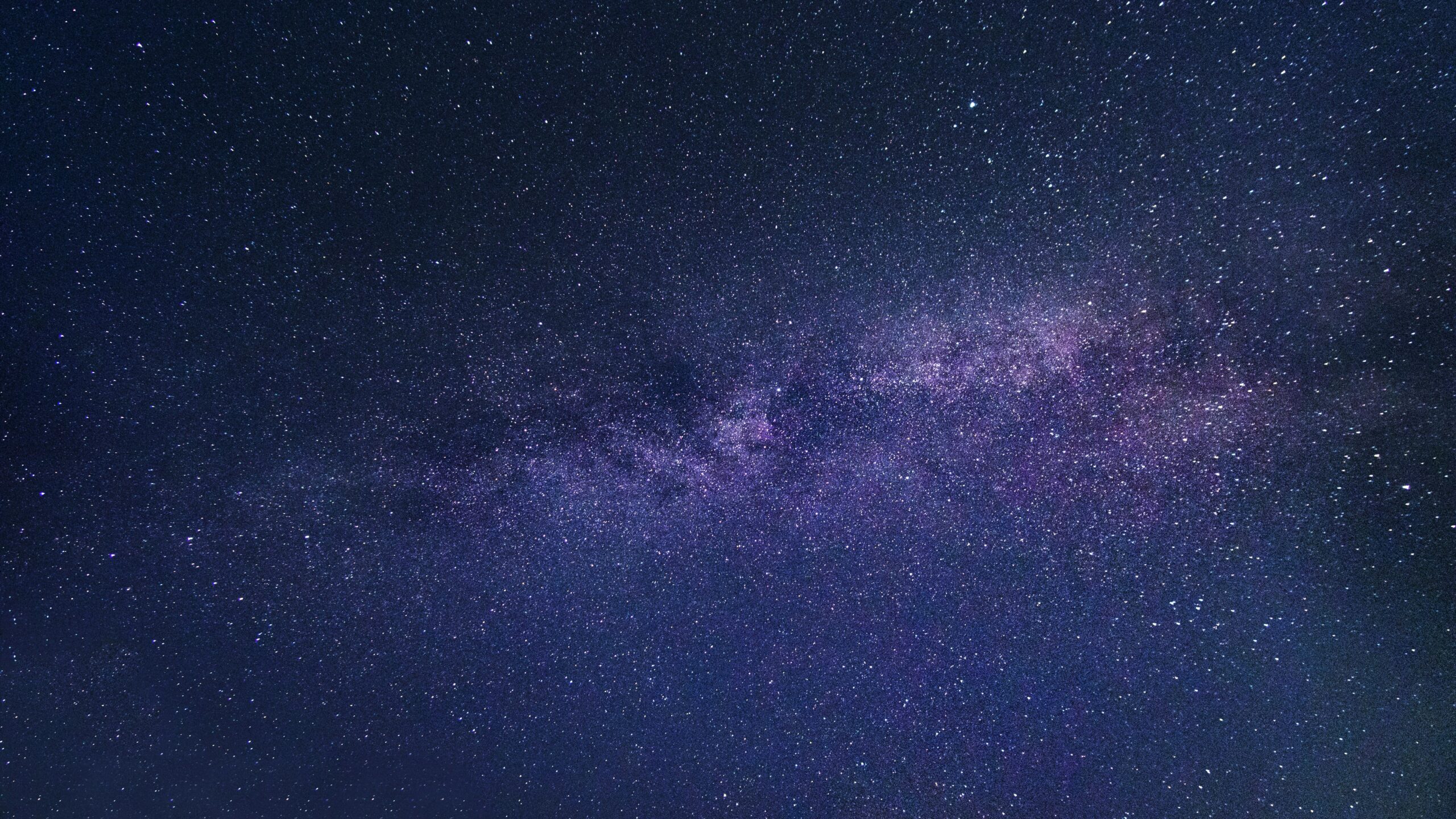
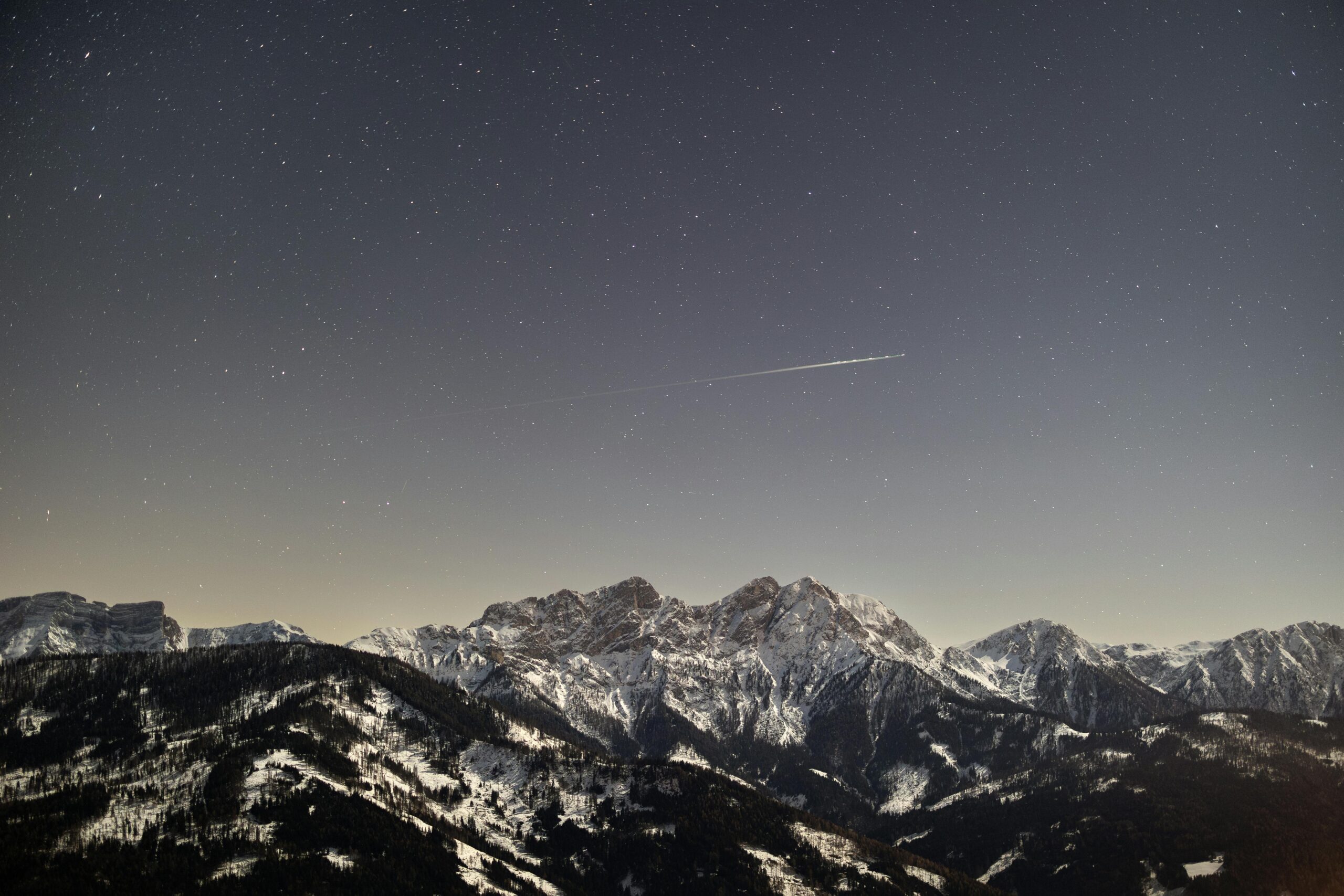
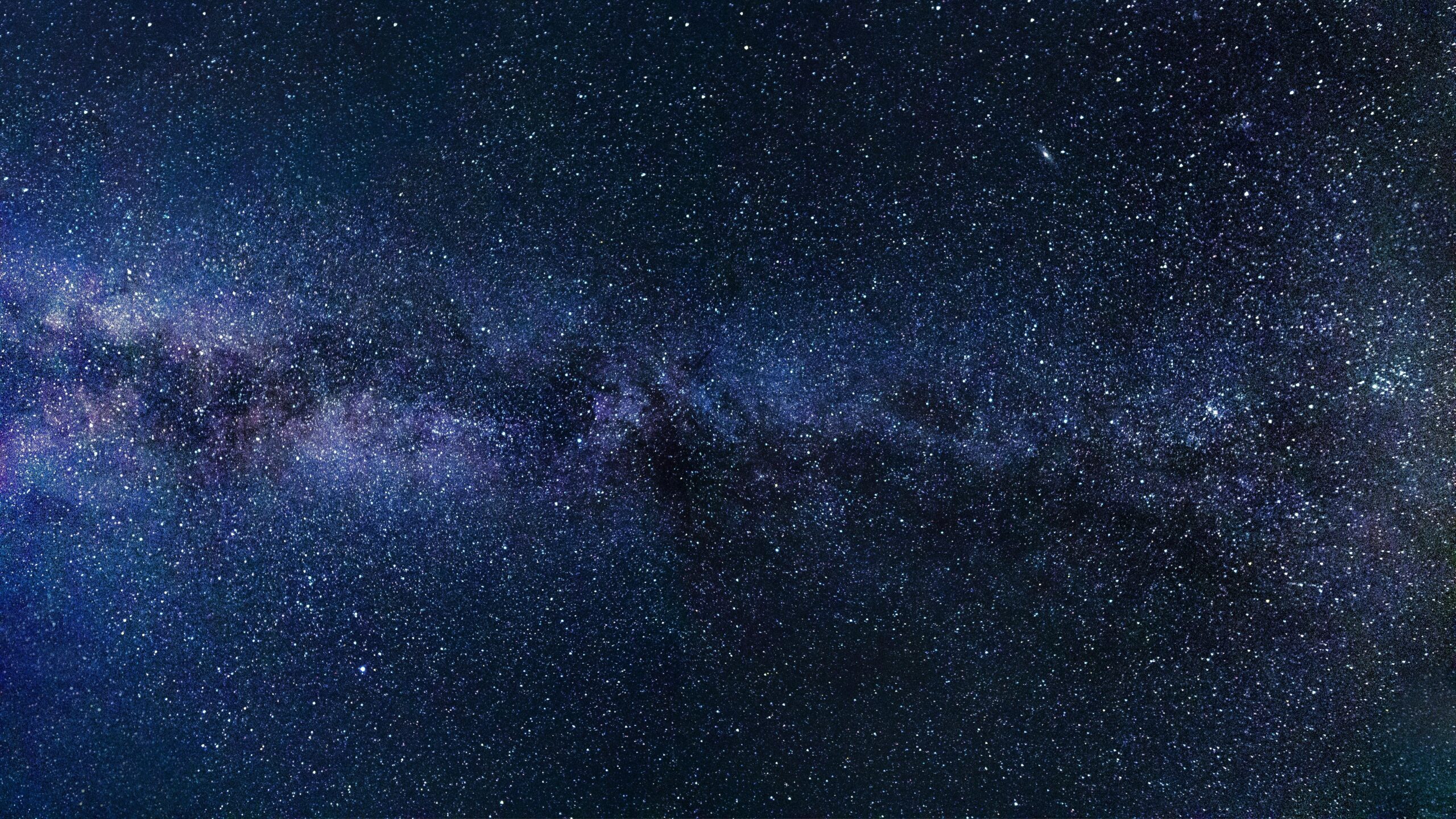
Experiencing genuinely dark skies fundamentally changes your perspective. The Milky Way arching overhead, satellites streaking past, meteor showers in their full glory—these sights reconnect us with the universe in ways no photograph can replicate.
Measuring Darkness: The Bortle Scale
The Bortle Dark-Sky Scale rates sky darkness from Class 1 (pristine dark sky) to Class 9 (inner city). Understanding this scale helps you find suitable stargazing locations and communicate about light pollution levels.
Class 1 skies are increasingly rare—remote wilderness areas far from civilization. Here, the Milky Way casts shadows, the zodiacal light becomes obvious, and thousands of stars overwhelm your field of view. Class 4-5 represents rural or suburban transition zones where the Milky Way remains visible but less impressive. Class 8-9 describes urban environments where only the brightest celestial objects penetrate the light dome.
International Dark Sky Places
The International Dark-Sky Association certifies locations demonstrating exceptional quality of starry nights and commitment to their preservation. These include Dark Sky Parks, Reserves, Communities, and Sanctuaries scattered across six continents.
Natural Bridges National Monument in Utah was the first certified Dark Sky Park. Death Valley National Park offers some of North America’s darkest skies despite being relatively accessible. In Europe, the Brecon Beacons in Wales and Zselic National Landscape Protection Area in Hungary provide excellent dark sky experiences.
These protected areas aren’t just for astronomers—they’re for anyone seeking that profound sense of wonder that comes from seeing our planet’s place in the cosmos.
📱 Technology as Ally: Apps and Tools for Dark Sky Advocates
Modern technology contributes to light pollution, but it also provides powerful tools for combating it and finding dark skies.
Light Pollution Maps and Planning Tools
Light pollution mapping applications show real-time conditions worldwide, helping you find the darkest skies within driving distance. These tools overlay satellite data onto maps, displaying light pollution levels with color-coded overlays.
Sky quality meter apps use your phone’s camera sensor to measure sky brightness, providing quantitative data useful for monitoring changes over time or advocating for darker lighting policies. While not as precise as dedicated scientific instruments, they’re remarkably effective for citizen science projects.
Stargazing Enhancement Applications
Augmented reality astronomy apps help you identify constellations, planets, and satellites even from light-polluted locations. Point your phone at the sky, and virtual overlays show what’s actually there beyond the light pollution veil. These tools inspire interest in astronomy and help people understand what they’re missing due to excessive artificial lighting.
💰 The Economic Equation: Wasted Light, Wasted Money
Light pollution represents a massive economic inefficiency. Every photon heading skyward instead of illuminating its intended target is wasted energy and money.
The United States alone wastes approximately $3 billion annually on misdirected outdoor lighting. This doesn’t account for associated costs like excessive fossil fuel consumption, unnecessary carbon emissions, and the healthcare costs of circadian disruption.
Properly designed lighting systems typically reduce energy consumption by 30-50% while improving visibility and safety. Municipalities implementing dark sky-friendly lighting ordinances routinely report significant cost savings that fund other community priorities.
For homeowners, the economics are equally compelling. A typical unshielded dusk-to-dawn light consuming 100 watts costs approximately $50 yearly to operate. Multiply that by millions of homes, and you see how individual choices accumulate into societal-scale waste.
🌟 The Cultural Imperative: Reconnecting with Cosmic Perspective
Beyond ecology, health, and economics lies something less tangible but equally important—our cultural and psychological connection to the night sky.
Every human culture developed mythology, navigation systems, and calendars based on celestial observations. The sky connected us across generations and civilizations. When children can no longer see the stars that inspired their ancestors, we lose continuity with our heritage.
The “overview effect” describes the cognitive shift astronauts experience seeing Earth from space—recognizing our planet’s fragility and humanity’s fundamental interconnectedness. Dark skies provide a similar perspective shift. Seeing our galaxy edge-on, recognizing we’re on a planet orbiting an average star among billions, cultivates humility and wonder.
This cosmic perspective may be exactly what our fractured world needs—a reminder that we share one small planet in an incomprehensibly vast universe.
🚀 Taking Action: Your Dark Sky Journey Begins Now
Addressing light pollution doesn’t require radical lifestyle changes or significant sacrifice. Small, thoughtful adjustments accumulate into meaningful impact.
Audit your outdoor lighting tonight. Replace one poorly designed fixture. Install a timer or motion sensor. Choose warmer color temperatures for your next bulb purchase. These simple steps immediately reduce your contribution to light pollution.
Plan a dark sky expedition. Drive an hour away from city lights, allow your eyes 20 minutes to adapt, and simply look up. That experience will fundamentally change your relationship with artificial lighting and motivate continued action.
Connect with organizations working on this issue. The International Dark-Sky Association provides resources, advocacy tools, and community connections. Local astronomy clubs welcome newcomers and often organize dark sky outreach events.
Advocate for policy changes in your community. Attend town council meetings, write letters to local newspapers, and engage with business owners about lighting improvements. Municipal change happens when citizens demonstrate that dark sky protection matters to them.
🌙 Preserving the Night for Future Generations
The beauty of dark skies represents one of our most accessible yet endangered natural resources. Unlike many environmental challenges requiring decades to reverse, light pollution can be addressed immediately through smarter choices and better technology.
We possess the knowledge, tools, and techniques to preserve dark skies while maintaining safe, functional outdoor lighting. What’s required is collective will—recognition that the night sky belongs to everyone and deserves protection like any other precious natural resource.
When you reduce light pollution, you don’t just restore stars. You protect wildlife migration patterns, preserve ecosystems, improve human health, save energy and money, and maintain humanity’s connection to the cosmos. You give children the opportunity to experience the same sense of wonder that inspired countless generations before them.
The night sky is our common heritage—a view through space and time connecting us to the universe itself. It’s worth preserving, and every light we shield, dim, or eliminate makes that preservation possible. Your actions matter, your voice counts, and the stars are waiting.