Understanding the relationship between gain, ISO, and image noise is fundamental for photographers who want to capture the sharpest, cleanest images possible.

🎯 Understanding the Foundation: What ISO Really Means
ISO represents your camera sensor’s sensitivity to light, a setting inherited from film photography where different film stocks had varying sensitivities. In digital photography, ISO amplifies the signal your camera sensor receives. While many photographers use the terms interchangeably, it’s worth noting that “gain” is the technical term for this amplification process, particularly in video and professional contexts.
When you increase your ISO setting from 100 to 3200, you’re not actually making your sensor more sensitive to light. Instead, you’re telling your camera to amplify the electrical signal it receives. This amplification process introduces what we commonly call “noise” – those unwanted grain-like artifacts that can diminish image quality.
The Science Behind Sensor Noise and Signal Amplification
Digital sensors capture light through millions of tiny photosites that convert photons into electrical signals. When insufficient light hits these photosites, the resulting signal is weak. Amplifying this weak signal through higher ISO settings simultaneously amplifies both the desired image information and the inherent electronic noise present in the system.
Think of it like turning up the volume on a quiet recording. As you increase the volume, you’ll hear the music better, but you’ll also amplify any background hiss or static. The same principle applies to your camera sensor.
Types of Noise You’ll Encounter
Not all noise is created equal. Understanding different types helps you make informed decisions when selecting your camera settings:
- Luminance noise: Appears as grainy texture across the image, similar to film grain
- Chrominance noise: Shows up as colored speckles, typically more distracting than luminance noise
- Fixed pattern noise: Remains consistent across images, often visible in long exposures
- Random noise: Changes between frames and becomes more prominent at higher ISO settings
📸 The ISO Native Sweet Spot: Finding Your Camera’s Optimal Range
Every camera sensor has what’s called a “native ISO” or “base ISO” – typically ISO 100 or ISO 200 for most modern cameras. This is where your sensor performs optimally with the best dynamic range and lowest noise levels. When you shoot at base ISO, you’re working with the purest signal possible from your sensor.
Many contemporary cameras also feature what’s called “dual native ISO” or “dual gain,” particularly in mirrorless and cinema cameras. These sensors have two optimal ISO ranges where noise performance is exceptionally good. For example, some Sony cameras perform remarkably well at both ISO 100 and ISO 3200, with ISO 3200 being a second native ISO point.
How to Identify Your Camera’s Best ISO Performance
Testing your specific camera body is essential. Set up a controlled scene with consistent lighting and photograph it at every ISO increment your camera offers. Examine the images at 100% magnification, paying attention to shadow areas where noise is most visible.
You’ll notice that noise increases gradually until certain ISO thresholds where it becomes significantly more pronounced. These breaking points help you understand your camera’s limitations and where acceptable image quality ends for your standards.
Exposure Triangle Mastery: Balancing ISO with Aperture and Shutter Speed
ISO doesn’t exist in isolation. It’s one component of the exposure triangle, working alongside aperture and shutter speed to create properly exposed images. The art of minimizing noise involves optimizing all three elements simultaneously.
When shooting conditions allow, always prioritize using your base ISO and adjusting aperture and shutter speed accordingly. However, real-world photography often demands compromise. A wedding photographer can’t always use ISO 100 when capturing candid moments in dimly lit reception halls.
Priority Hierarchy for Minimal Noise
Establish a decision-making hierarchy when adjusting your exposure settings:
- First, set your aperture based on desired depth of field
- Second, choose the slowest shutter speed possible without introducing motion blur
- Third, increase ISO only when aperture and shutter speed cannot be further adjusted
- Finally, consider adding artificial light before pushing ISO to extreme values
🔧 Camera Settings and Features That Impact Noise Performance
Modern cameras include various features designed to help manage noise. Understanding these tools allows you to make educated choices about when and how to use them.
In-Camera Noise Reduction
Most cameras offer high ISO noise reduction and long exposure noise reduction. While these can help, they often come with trade-offs. High ISO noise reduction can soften fine details, and long exposure noise reduction doubles your exposure time by capturing a “dark frame” for comparison.
Many professional photographers prefer shooting RAW and handling noise reduction in post-processing where they have greater control over the intensity and application method.
Shooting RAW vs JPEG for Noise Management
RAW files contain significantly more information than JPEGs, providing greater flexibility when addressing noise in post-production. The additional bit depth and unprocessed sensor data allow sophisticated noise reduction algorithms to differentiate between actual detail and unwanted artifacts more effectively.
| Format | Noise Reduction Control | Detail Preservation | File Size |
|---|---|---|---|
| RAW | Complete control in post | Excellent | Large |
| JPEG | Limited to camera processing | Good but compressed | Small |
Genre-Specific ISO Strategies for Different Photography Disciplines
Different photography genres have varying noise tolerance levels and ISO requirements. Understanding these nuances helps you establish appropriate standards for your specific work.
Portrait Photography
Portrait work typically demands clean, noise-free skin tones. When possible, maintain ISO 400 or lower. Studio portraits should always use base ISO with controlled lighting. For environmental portraits, a shallow depth of field created by wider apertures helps keep ISO manageable while creating pleasing background separation.
Landscape Photography
Landscape photographers usually shoot at base ISO using tripods for stability. The goal is maximum detail and dynamic range. When shooting handheld during golden hour or in forests, don’t hesitate to increase ISO to 400-800 to maintain sharp images rather than risking motion blur from slow shutter speeds.
Event and Wedding Photography
These fast-paced environments often require ISO 1600-6400 or higher. The priority shifts from absolute technical perfection to capturing decisive moments. A slightly noisy but sharp image of an unrepeatable moment is infinitely more valuable than a noise-free blurry shot.
Astrophotography
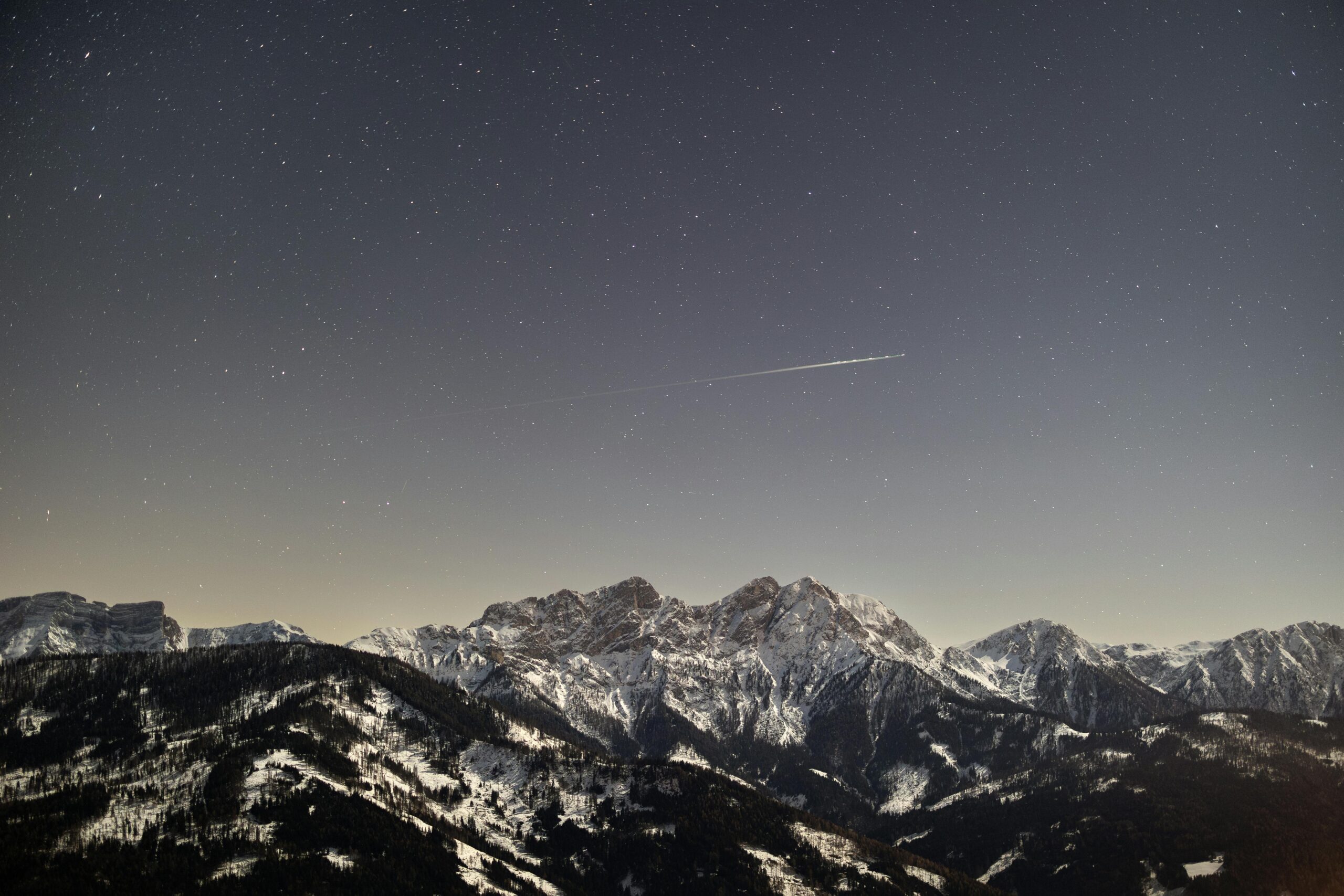
Night sky photography presents unique challenges. While you might assume you’d want the highest ISO possible, experienced astrophotographers often find that moderate ISOs (1600-3200) combined with longer exposures produce better results than extreme ISOs with shorter exposures. This approach maximizes signal before amplification.
✨ Advanced Techniques for Noise Reduction
Beyond basic ISO selection, several advanced techniques can help you achieve remarkably clean images even in challenging lighting conditions.
Exposure Stacking
When your subject remains stationary, capture multiple frames at the same exposure settings and blend them in post-processing. Random noise varies between frames, but your subject remains constant. Averaging multiple images significantly reduces visible noise while preserving detail.
ETTR: Exposing to the Right
This technique involves deliberately overexposing your image slightly (without clipping highlights) to maximize the signal-to-noise ratio. Sensors capture more tonal information in brighter areas. By capturing more light and pulling exposure down in post, you reduce the visibility of noise that lives in darker tones.
Leveraging Camera Technology Advances
Modern sensor technology continues improving. Cameras released in recent years demonstrate remarkable high-ISO performance that was unimaginable a decade ago. Newer cameras with back-illuminated sensors, improved microlens designs, and sophisticated on-sensor processing can produce usable images at ISO 12800 or higher.
Post-Processing Wisdom: Refining Your Images
Even with optimal in-camera settings, post-processing plays a crucial role in maximizing image clarity. Modern software uses artificial intelligence and machine learning to distinguish between noise and actual image detail with impressive accuracy.
Applications like Adobe Lightroom, Capture One, and DxO PhotoLab offer powerful noise reduction tools. The key is applying them judiciously – aggressive noise reduction creates an unnatural, plastic-looking appearance. Aim for a natural balance where slight texture remains, especially in low-frequency areas like skies.
Selective Noise Reduction
Rather than applying uniform noise reduction across your entire image, target specific areas. Smooth noise in out-of-focus backgrounds or uniform surfaces like skies while preserving texture in important areas like faces, foliage, or architectural details. This selective approach maintains a natural appearance while controlling distracting artifacts.
💡 Lighting Solutions: Prevention Over Cure
The most effective noise reduction strategy is preventing it in the first place through proper lighting. Even modest additional light allows you to use significantly lower ISO settings, dramatically improving image quality.
Consider portable LED panels, speedlights, or reflectors as essential tools. A small continuous light can make the difference between shooting at ISO 6400 versus ISO 1600. That’s two full stops of improved image quality – far more effective than any post-processing noise reduction algorithm.
Natural Light Optimization
When artificial lighting isn’t available or appropriate, maximize existing light. Position subjects near windows, shoot during golden hour when light is more abundant, or use reflective surfaces to bounce available light back onto your subject. These techniques allow lower ISO settings while maintaining creative control.
Future-Proofing Your Workflow: Thinking Beyond Today’s Display
Consider how your images will be used. Photos viewed primarily on smartphones or displayed at smaller sizes tolerate higher noise levels than images intended for large prints or commercial use. Understanding your output requirements helps you establish appropriate quality thresholds.
However, capture quality that exceeds your current needs when possible. Today’s sufficient image quality may appear subpar as display technology improves. Storage is relatively inexpensive – shoot with future applications in mind.
🎨 The Artistic Perspective: When Noise Becomes Grain
Not all photographers view noise as inherently negative. Film photographers celebrate grain as an aesthetic quality. Many digital photographers intentionally add grain in post-processing to evoke specific moods or create a more organic, less clinical appearance.
Black and white photography particularly benefits from thoughtful grain application. Luminance noise in monochrome images often appears pleasingly reminiscent of traditional film stocks. Don’t become so obsessed with clinical perfection that you overlook noise’s potential creative applications.
Practical Testing and Personal Standards
Ultimately, acceptable noise levels remain subjective. What bothers one photographer might be perfectly acceptable to another. Establish your personal quality standards through systematic testing and honest evaluation of your own tolerance levels.
Photograph test scenes at various ISO settings under different lighting conditions. Print images at your typical output sizes. This practical approach provides more relevant information than pixel-peeping at 400% magnification on your computer screen – a viewing scenario that rarely reflects how others experience your work.
Integrating Knowledge Into Instinctive Practice
Understanding the technical relationship between gain, ISO, and noise provides the foundation for excellent photography. However, this knowledge must become instinctive rather than requiring conscious deliberation. Practice making exposure decisions until they become second nature.
Experienced photographers assess lighting conditions, subject movement, and creative intentions simultaneously, instantly arriving at appropriate camera settings. This intuitive mastery comes only through repeated application of fundamental principles in varied real-world situations.
Start by consciously working through your decision-making process: evaluating available light, determining acceptable depth of field, calculating minimum shutter speeds, and only then setting ISO as needed. Over time, these sequential decisions collapse into instant recognition and response.
The goal isn’t merely capturing technically perfect images but rather producing photographs that effectively communicate your creative vision. Sometimes that vision includes slightly elevated noise levels in exchange for capturing authentic moments or achieving specific artistic effects. Technical excellence serves creativity rather than existing as an end unto itself.
By mastering the relationship between sensor gain, ISO settings, and resulting noise characteristics, you gain creative freedom. Understanding your tools’ limitations and possibilities allows you to push boundaries confidently while maintaining image quality that meets your standards. This knowledge transforms technical constraints into creative opportunities, enabling you to focus on what truly matters – telling compelling visual stories that resonate with viewers.