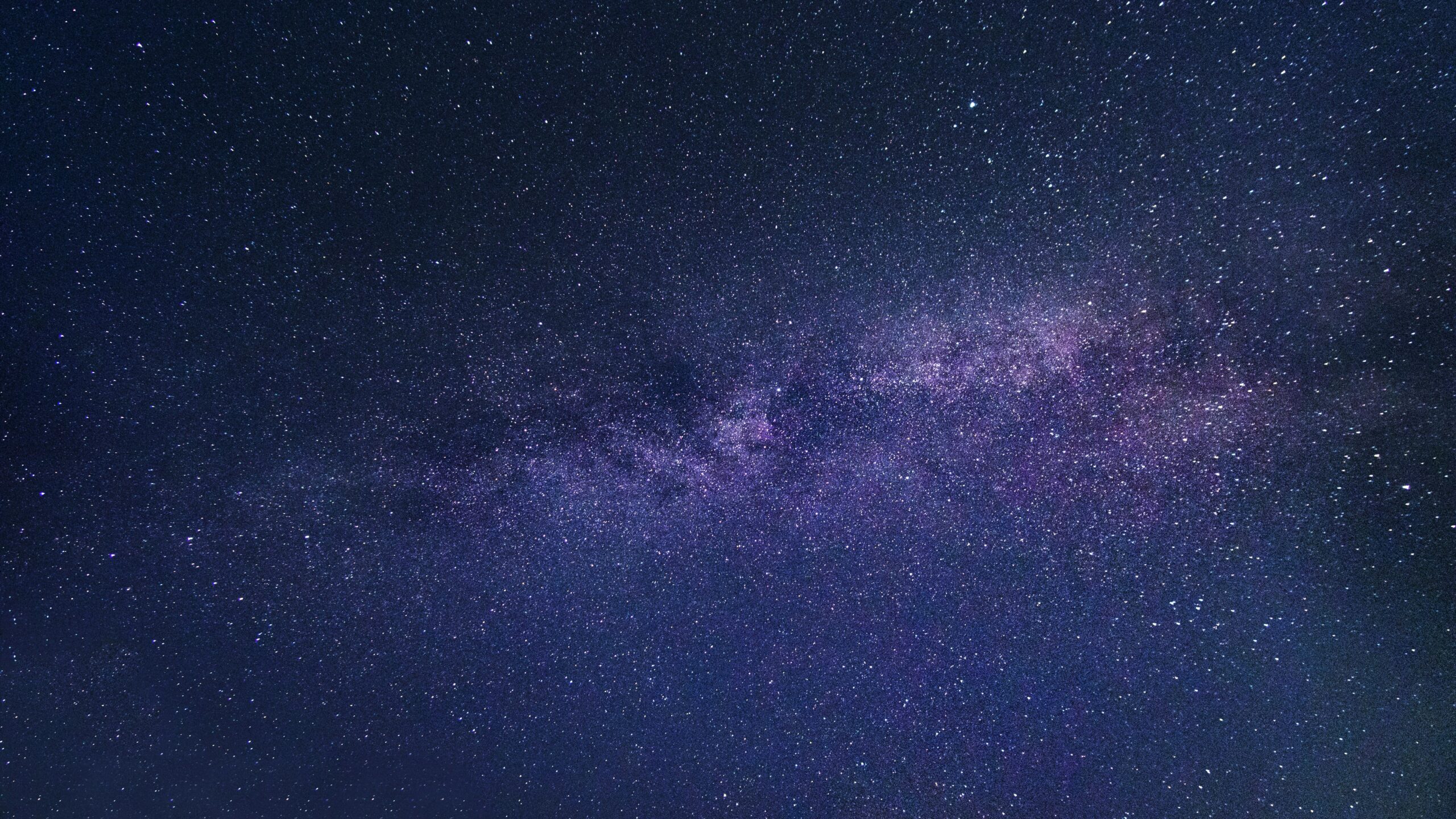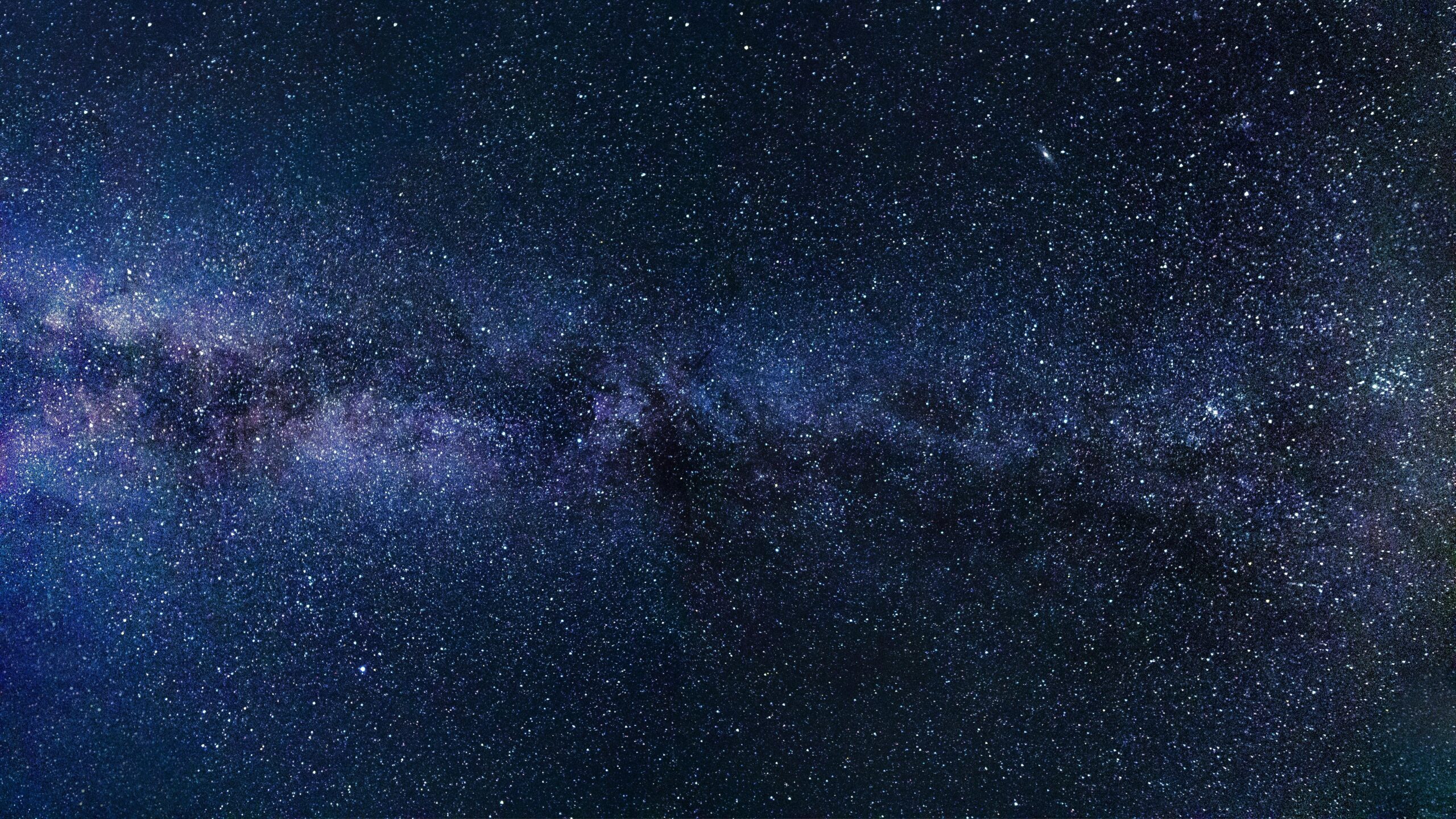
Precision narrowband imaging demands exceptional sensor noise control to reveal the faintest celestial details, making noise optimization a critical skill for astrophotographers seeking maximum image clarity.

🔬 Understanding Sensor Noise in Narrowband Astrophotography
Sensor noise represents one of the most significant challenges in narrowband imaging, where exposure times extend for hours and signal levels remain inherently low. Unlike broadband imaging, narrowband filters isolate specific wavelengths emitted by celestial objects, dramatically reducing the amount of light reaching your camera sensor. This creates a unique environment where understanding and managing various noise sources becomes paramount to achieving professional-quality results.
The primary noise components affecting narrowband images include thermal noise, read noise, and dark current. Each manifests differently depending on sensor temperature, exposure duration, and camera electronics. Thermal noise increases exponentially with sensor temperature, making cooling systems essential for serious narrowband work. Read noise occurs during the analog-to-digital conversion process, affecting each frame regardless of exposure length. Dark current generates signal even without light exposure, accumulating linearly with integration time.
Modern CMOS sensors have revolutionized narrowband imaging by offering significantly lower read noise compared to traditional CCD sensors, particularly at higher gain settings. This advancement enables shorter sub-exposures while maintaining favorable signal-to-noise ratios, reducing tracking errors and simplifying post-processing workflows.
⚙️ Optimizing Camera Settings for Minimal Noise
Selecting appropriate camera settings forms the foundation of effective noise management in narrowband imaging. The relationship between gain, exposure time, and sensor temperature creates a complex optimization problem that requires understanding your specific equipment characteristics.
Gain settings, often called ISO in DSLR cameras or Unity Gain in dedicated astronomy cameras, dramatically affect noise performance. Operating at or near unity gain maximizes the conversion efficiency between photons and digital counts, minimizing read noise impact. For most modern CMOS astronomy cameras, unity gain occurs between 100-140 gain units, though this varies by manufacturer and sensor model.
Determining Optimal Exposure Duration
Exposure length selection balances multiple competing factors in narrowband imaging. Longer exposures accumulate more signal but also more thermal noise and increase vulnerability to tracking errors. Shorter exposures minimize individual frame corruption risks but require more total frames to achieve equivalent signal-to-noise ratios.
The optimal sub-exposure length typically ranges from 5 to 20 minutes for narrowband imaging, depending on your mount’s tracking accuracy, guiding precision, and local light pollution. Calculate your optimal duration using this approach: start with 10-minute exposures and examine the histogram. If fewer than 20% of pixels show signal above the background level, increase exposure time. If star trailing becomes visible before reaching adequate signal levels, your tracking system requires improvement.
❄️ Temperature Management and Cooling Strategies
Sensor temperature control represents perhaps the single most effective noise reduction technique available to narrowband imagers. Dark current doubles approximately every 5-6 degrees Celsius, making aggressive cooling essential for long exposures through narrowband filters.
Dedicated cooled astronomy cameras typically maintain sensors at -10°C to -20°C below ambient temperature, with high-end models achieving -40°C or colder. This cooling reduces thermal noise to negligible levels even during 15-20 minute exposures. For DSLR and mirrorless camera users without integrated cooling, passive cooling techniques and shorter exposures become necessary compromises.
When setting your camera’s cooling temperature, aim for maximum practical cooling while avoiding condensation risks. Operating 15-20°C below ambient provides excellent noise performance while maintaining safe margins above dew point. Always use appropriate desiccant chambers or anti-dew systems when operating cooled cameras in humid conditions.
Calibration Frame Temperature Matching
Dark frames must match your light frames’ temperature precisely—ideally within 1-2°C—to effectively subtract thermal signal patterns. Temperature-stable operation during calibration frame acquisition ensures consistent dark current characteristics. Build comprehensive dark frame libraries at 5°C intervals covering your typical operating range, with multiple exposure durations matching your imaging sessions.
📊 Advanced Calibration Techniques for Narrowband Data
Proper calibration frame acquisition and application distinguish amateur results from professional-grade narrowband images. The calibration process removes systematic artifacts, revealing faint signal buried beneath various noise sources.
Your calibration workflow should include these essential frame types:
- Dark frames: Match exact exposure duration and sensor temperature to remove thermal signal and hot pixels
- Bias frames: Capture read noise patterns at minimum exposure (fastest shutter speed)
- Flat frames: Correct vignetting and dust shadows using appropriate narrowband filters
Acquire sufficient quantities of each calibration type to create master calibration frames with minimal noise. The signal-to-noise ratio of calibration frames directly impacts your light frames’ final quality. For bias frames, capture 50-100 exposures. Dark frames require 20-30 exposures per exposure duration. Flat frames benefit from 20-30 exposures at consistent illumination levels.
Creating Filter-Specific Flat Fields
Narrowband filters exhibit unique optical characteristics requiring separate flat frames for each filter. Never use broadband flats for narrowband data or interchange flats between different narrowband filters. Hydrogen-alpha, OIII, and SII filters produce distinct vignetting patterns and sensor response characteristics.
Illuminate your flat field target to achieve 40-50% histogram saturation—bright enough for excellent signal-to-noise ratio but avoiding nonlinear sensor response regions. Twilight sky flats work well for narrowband filters, though electroluminescent panels provide more consistent and convenient illumination.
🎯 Dithering and Integration Strategies
Dithering—intentionally shifting telescope pointing between sub-exposures—provides powerful noise reduction and artifact mitigation capabilities. This technique enables sophisticated stacking algorithms to distinguish genuine celestial signal from sensor-specific noise patterns, hot pixels, and cosmic ray strikes.
Implement dithering by commanding small random pointing adjustments between exposures, typically 5-20 pixels in random directions. Most modern mount control software includes automated dithering functions triggering after each exposure. The slight position variations allow stacking algorithms to identify and reject pixels showing inconsistent values across frames, effectively removing transient artifacts.
Beyond artifact rejection, dithering enables drizzle integration—an advanced stacking technique that increases resolution beyond your sensor’s native sampling. Drizzle algorithms reconstruct higher-resolution images by analyzing how stars shift across pixels between dithered frames, particularly valuable when imaging at longer focal lengths or with larger pixel sizes.
Optimizing Total Integration Time
Total integration time—the sum of all accepted sub-exposures—determines your final image’s signal-to-noise ratio more than any other factor. Narrowband imaging typically requires substantially longer integration times than broadband imaging due to restricted light transmission.
Budget minimum integration times as follows for typical narrowband targets:
- Hydrogen-alpha (Hα): 3-5 hours minimum for emission nebulae
- Oxygen-III (OIII): 4-6 hours for planetary nebulae, 6-10 hours for emission nebulae
- Sulfur-II (SII): 5-8 hours due to typically weaker emissions
These represent starting points for dark sky sites with good transparency. Light-polluted locations may require 50-100% additional integration time to achieve comparable results. The signal-to-noise ratio improves proportionally to the square root of total integration time, meaning quadrupling your exposure time doubles SNR.
💻 Software-Based Noise Reduction Techniques
Modern image processing software provides sophisticated noise reduction algorithms specifically designed for astronomical data. These tools distinguish noise from genuine signal using statistical analysis and spatial filtering techniques, preserving fine details while suppressing unwanted artifacts.
Apply noise reduction judiciously during processing, as aggressive application destroys fine detail and creates artificial-looking images. The optimal approach involves multiple gentle noise reduction passes targeting different noise characteristics rather than single aggressive applications.
Temporal Noise Reduction Through Stacking
Image stacking represents the most fundamental and effective software-based noise reduction technique. Random noise components average away as you combine multiple frames, while consistent signal reinforces. The mathematical relationship is straightforward: stacking N frames improves SNR by a factor of √N.
Advanced stacking algorithms like Winsorized Sigma Clipping, Linear Fit Clipping, and Generalized Extreme Studentized Deviate (GESD) rejection provide superior results compared to simple averaging. These methods identify and reject outlier pixels affected by cosmic rays, satellite trails, or aircraft, ensuring only genuine signal contributes to your final stack.
Configure rejection parameters carefully—overly aggressive rejection discards valid data, particularly in low signal-to-noise individual frames typical of narrowband imaging. Start with 2.5-3.0 sigma clipping thresholds and adjust based on visual inspection of rejection maps.
🌟 Signal Enhancement Without Amplifying Noise
Extracting maximum detail from narrowband data requires stretching techniques that reveal faint signal without disproportionately amplifying noise. Linear narrowband data concentrates nearly all information in the lowest 10-20% of the histogram, necessitating aggressive nonlinear stretching to reveal structure.
Histogram transformation approaches specifically suited to narrowband data include:
- Masked stretching: Protects bright regions while aggressively stretching faint areas
- Multi-scale processing: Targets specific spatial frequency ranges independently
- Local histogram equalization: Applies adaptive contrast enhancement based on local statistics
- Arcsinh stretching: Provides logarithmic-like compression preserving faint detail visibility
Each technique offers distinct advantages depending on your target’s characteristics and desired aesthetic. Emission nebulae with extreme dynamic range benefit from masked stretching, while targets with subtle, extended structure respond well to local histogram equalization.
Frequency Separation for Targeted Processing
Frequency separation decomposes images into multiple spatial frequency layers—typically large-scale structure, medium-scale details, and fine details—enabling independent processing of each scale. This powerful technique allows noise reduction on fine detail layers while enhancing contrast in structural layers without affecting small-scale information.
Implement frequency separation by creating gaussian-blurred copies at different radii, then subtracting these from the original to extract residual detail layers. Process each layer appropriately: apply aggressive noise reduction to fine detail layers, enhance contrast in structural layers, and recombine for artifact-free results with excellent detail preservation.
📈 Measuring and Monitoring Noise Performance
Quantitative noise measurement enables objective evaluation of optimization efforts and equipment performance. Understanding your system’s noise characteristics guides intelligent decisions about exposure parameters, cooling requirements, and processing strategies.
Calculate signal-to-noise ratio for specific image regions using this formula: SNR = (Mean Signal – Mean Background) / Standard Deviation of Background. Higher values indicate better noise performance. Target SNR values above 3:1 for marginally detectable features and 10:1 or higher for high-quality detail rendition.
Monitor these key metrics throughout your imaging workflow:
- Background standard deviation in calibrated but unstretched images
- Hot pixel count and distribution patterns
- Amp glow severity and consistency across frames
- Read noise measurements at various gain settings
- Dark current accumulation rates at different temperatures
Document these measurements systematically, creating a performance baseline for your equipment. Degradation in any metric indicates potential equipment issues requiring investigation—failing cooling systems, electronic problems, or contamination affecting sensor response.
🚀 Real-World Implementation and Workflow Integration
Transforming theoretical noise optimization knowledge into practical imaging results requires systematic workflow integration. Develop standardized procedures ensuring consistent application of optimization techniques across imaging sessions.
Begin each imaging session with equipment warm-up: activate camera cooling at least 30 minutes before capturing calibration frames, allowing thermal equilibrium. This prevents temperature drift during critical calibration frame acquisition. Capture bias and dark frames first, while the camera stabilizes, then proceed to flat fields immediately before imaging.
During imaging sessions, monitor key parameters continuously: sensor temperature stability, guiding performance, and sky conditions. Temperature fluctuations exceeding 2-3°C during a session necessitate separate calibration frame sets. Similarly, significant seeing changes or transparency variations may warrant segmenting your data into separate processing groups.
Building Your Calibration Library
Invest time creating comprehensive calibration frame libraries covering typical operating conditions. This front-loaded effort pays continuous dividends, eliminating time spent acquiring calibration frames during precious clear night hours. Organize libraries systematically by sensor temperature, exposure duration, and filter, enabling quick retrieval of appropriate calibration data.
Update calibration libraries periodically—dark current characteristics change as sensors age, dust accumulation alters flat field patterns, and electronic aging affects bias frame structures. Refresh dark and bias libraries annually; update flat fields whenever cleaning optical surfaces or adjusting the imaging train.
✨ Achieving Professional-Grade Narrowband Results
Mastering sensor noise optimization transforms narrowband imaging from frustrating exercises in processing marginal data into rewarding pursuits yielding stunning results. The cumulative effect of proper gain settings, aggressive cooling, meticulous calibration, generous integration times, and sophisticated processing produces images rivaling professional observatory outputs.
Success in narrowband imaging requires patience—both during acquisition, accumulating hours of integration time, and during processing, carefully applying techniques that preserve hard-won signal while suppressing noise. Each optimization step contributes incrementally, with synergistic effects producing dramatic overall improvements.
Remember that equipment limitations need not prevent excellent results. Modest cooled cameras with proper technique consistently outperform flagship equipment operated carelessly. Focus on maximizing your current system’s potential through optimization before pursuing equipment upgrades. Understanding noise sources, implementing appropriate mitigation strategies, and developing refined processing skills deliver far greater image quality improvements than any equipment purchase.
The narrowband imaging learning curve rewards persistence and systematic experimentation. Document your settings, results, and processing approaches methodically. This empirical knowledge base becomes invaluable for troubleshooting challenges and refining techniques. Share your experiences with the astrophotography community—collaborative learning accelerates everyone’s progress and enriches this remarkable pursuit of revealing the universe’s hidden beauty through precision narrowband imaging.