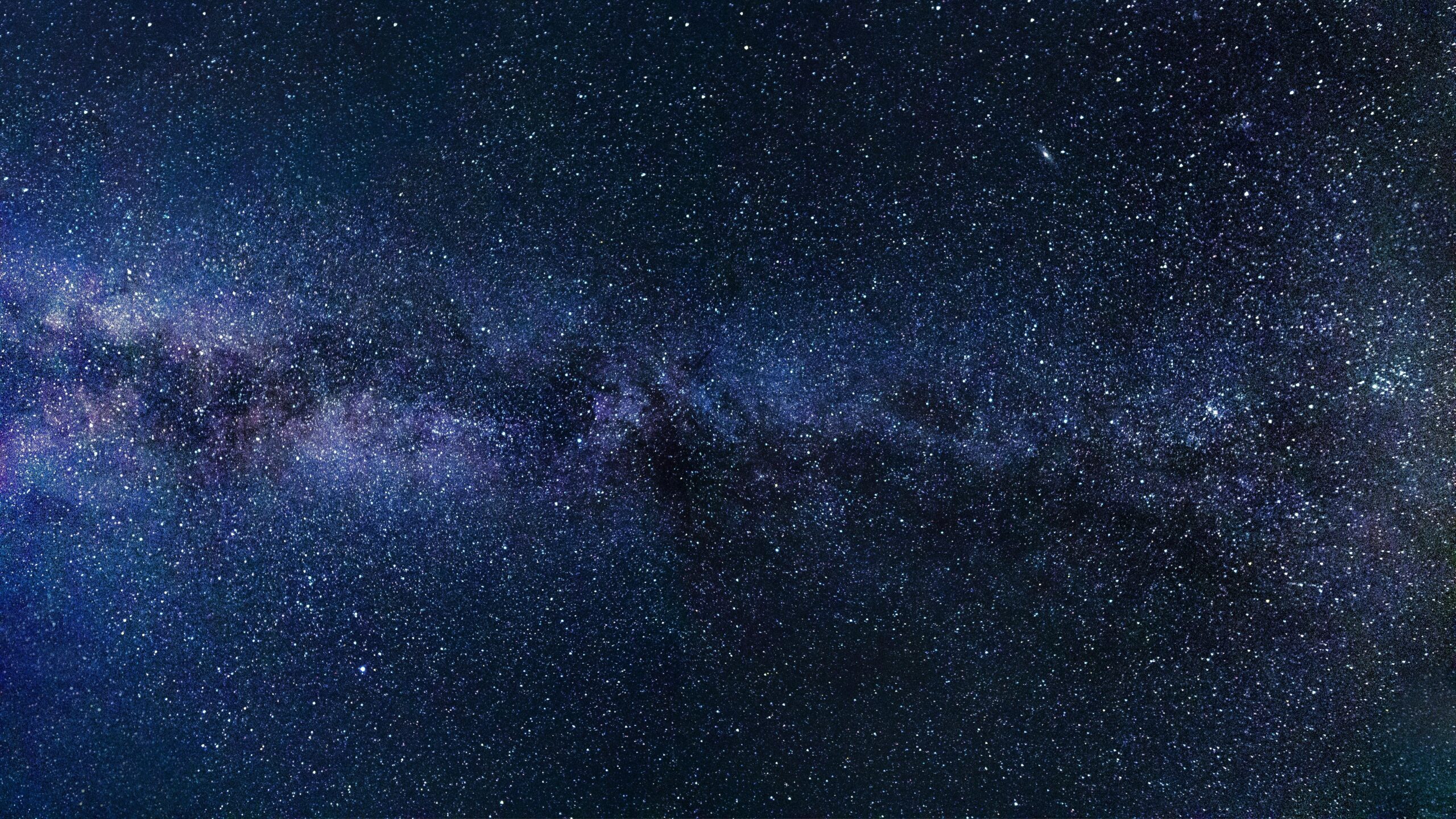
Astrophotography reveals the universe’s hidden beauty, but success depends on precision. Aperture calibration is the cornerstone that transforms blurry starfields into crystal-clear cosmic portraits.

🔭 Why Aperture Matters More Than You Think
When you peer through your telescope or camera lens at the night sky, you’re essentially collecting photons that have traveled millions or billions of years to reach your sensor. The aperture—the opening through which light enters your optical system—determines how many of these precious photons you can capture. But simply having a large aperture isn’t enough. Without proper calibration, even the most expensive equipment will produce disappointing results.
Aperture calibration in astrophotography goes beyond basic camera settings. It involves understanding the relationship between your optical system’s diameter, focal length, and the resulting f-ratio. This relationship fundamentally affects image brightness, resolution, and the ability to capture faint deep-sky objects. Professional astrophotographers spend considerable time ensuring their apertures are properly calibrated before embarking on imaging sessions.
Understanding the Optical Foundation
The aperture of your telescope or camera lens serves as the gateway for starlight. In astrophotography, we measure aperture effectiveness not just by its physical size but by how well it’s optimized for capturing celestial objects. A poorly calibrated aperture can introduce aberrations, reduce contrast, and create diffraction patterns that obscure fine details in your images.
Your equipment’s aperture stop—whether it’s the primary mirror edge in a reflector telescope or the lens diaphragm in a refractor—must be perfectly circular and free from obstructions. Any irregularities will manifest as distorted star shapes, particularly noticeable in corner regions of your images. This is why calibration becomes absolutely critical.
The Mathematics Behind Light Collection
Light-gathering power increases with the square of the aperture diameter. A telescope with a 200mm aperture collects four times more light than one with 100mm. This mathematical relationship means that proper aperture calibration can dramatically impact your ability to photograph faint nebulae, distant galaxies, and subtle cosmic structures. Understanding this principle helps astrophotographers make informed decisions about equipment and exposure times.
🌟 Identifying Calibration Problems in Your Starfield
Before addressing calibration issues, you need to recognize them. Common symptoms of poor aperture calibration include elongated stars at frame edges, uneven brightness across your image field, and chromatic aberration halos around bright stars. These problems often stem from misaligned optical elements, dirty surfaces, or mechanical issues affecting the aperture’s circular geometry.
Star test procedures reveal aperture calibration quality. Point your telescope at a bright star and examine both in-focus and out-of-focus patterns. A properly calibrated aperture produces symmetrical diffraction patterns on both sides of focus. Asymmetry indicates collimation problems or aperture irregularities that require immediate attention.
The Dark Frame Connection
Aperture calibration directly influences your dark frame calibration process. Dark frames—images taken with the shutter closed—help remove thermal noise and hot pixels from your astrophotographs. However, if your aperture introduces vignetting or uneven illumination, your calibration frames won’t properly correct these issues. This creates a cascade effect where poor aperture calibration undermines your entire image processing workflow.
Practical Calibration Techniques for Amateur Astronomers
Begin your calibration journey with collimation—the alignment of your optical system’s elements. For Newtonian reflectors, this means ensuring your primary and secondary mirrors direct light accurately to the focuser. Refractors require lens element alignment verification. Even slight misalignments affect how light passes through your aperture, degrading image quality across your sensor.
Collimation tools range from simple sight tubes to laser collimators and sophisticated electronic devices. Regardless of your chosen method, the goal remains consistent: ensuring light travels through your aperture along the optical axis without deviation. Regular collimation checks, especially after transporting equipment, maintain optimal aperture performance.
Flat Field Calibration for Aperture Correction
Flat field frames correct vignetting and dust shadows—issues closely related to aperture characteristics. Create flat fields by photographing an evenly illuminated surface through your telescope. These calibration images reveal how your aperture affects light transmission across the field of view. Proper flat field calibration compensates for aperture-related illumination variations, producing uniformly exposed astrophotographs.
The quality of your flat fields depends on consistent aperture settings. Always capture flats at the same aperture, focus position, and optical configuration used for your light frames. This consistency ensures accurate vignetting correction during image stacking and processing.
📊 Measuring Aperture Performance
Quantifying your aperture’s performance provides objective calibration metrics. Software tools can analyze star images to measure full width at half maximum (FWHM)—a key indicator of optical quality. Smaller FWHM values indicate tighter, sharper star images, reflecting better aperture calibration and optical performance.
Create a measurement routine by imaging the same star field under similar atmospheric conditions. Track FWHM values over time to identify degradation in your aperture’s performance. Increasing FWHM measurements may indicate dust accumulation, mirror degradation, or mechanical shifts requiring recalibration.
| Aperture Size | Typical FWHM (arcseconds) | Resolution Capability |
|---|---|---|
| 50mm | 2.8 | Basic lunar/planetary |
| 100mm | 1.4 | Detailed lunar features |
| 200mm | 0.7 | Deep sky objects |
| 300mm+ | 0.5 or better | High-resolution imaging |
Environmental Factors Affecting Aperture Calibration
Temperature changes cause optical elements to expand and contract, affecting aperture calibration. Metal telescope tubes expand differently than glass optics, potentially shifting collimation. Allow your equipment to reach thermal equilibrium with the environment before imaging sessions—typically 30 to 60 minutes depending on temperature differential and aperture size.
Humidity presents another challenge. Moisture on optical surfaces alters light transmission through your aperture, creating halos and reducing contrast. Dew heaters and careful storage protect your aperture from humidity-related degradation. Regular cleaning with appropriate materials maintains aperture performance without introducing scratches or coating damage.
Atmospheric Seeing and Aperture Limits
Atmospheric turbulence limits effective aperture size regardless of calibration quality. During nights with poor seeing conditions, atmospheric distortion may prevent apertures larger than 100-150mm from achieving their theoretical resolution. Understanding these limitations helps set realistic expectations and guides aperture selection for specific imaging projects.
⚙️ Advanced Aperture Optimization Strategies
Aperture masking techniques sacrifice light-gathering power for improved image quality under certain conditions. By reducing your effective aperture with a carefully designed mask, you can eliminate problematic outer zones of your optics, producing sharper stars at the cost of longer exposure times. This technique particularly benefits amateur astronomers working with budget optics that perform better at smaller apertures.
Adaptive optics systems, once reserved for professional observatories, are becoming accessible to serious amateur astrophotographers. These systems continuously adjust optical elements to compensate for atmospheric turbulence and mechanical imperfections, effectively maintaining optimal aperture calibration throughout your imaging session. While expensive, adaptive optics represent the cutting edge of aperture optimization technology.
Software-Based Aperture Corrections
Modern astrophotography software includes sophisticated algorithms for correcting aperture-related image defects. Deconvolution techniques can partially reverse the effects of diffraction and minor optical aberrations. However, these computational corrections work best when starting with well-calibrated apertures—they enhance good images rather than rescuing poor ones.
Image stacking multiplies the benefits of proper aperture calibration. When combining dozens or hundreds of sub-exposures, even small improvements in individual frame quality compound into dramatic final image enhancements. Well-calibrated apertures produce consistent star shapes across all frames, enabling more effective stacking algorithms and superior final results.
Building a Calibration Maintenance Schedule
Treat aperture calibration as an ongoing process rather than a one-time task. Establish a maintenance schedule based on your equipment type, usage frequency, and storage conditions. Reflector telescopes typically require monthly collimation checks, while refractors may maintain alignment for months. Document your calibration activities to identify patterns and anticipate maintenance needs.
Pre-session calibration routines ensure optimal performance before dedicating hours to astrophotography. A simple checklist covering collimation verification, lens cleaning, and test exposures takes 15-20 minutes but prevents wasted imaging sessions. This investment in preparation multiplies your productive imaging time and improves results consistency.
🎯 Choosing Equipment With Calibration in Mind
When selecting astrophotography equipment, consider how easily apertures can be calibrated and maintained. Telescopes with user-adjustable collimation systems provide flexibility for ongoing optimization. Camera lenses with electromagnetic rather than mechanical aperture control maintain more consistent f-stops across temperature ranges. These factors influence long-term imaging success beyond initial specifications.
Quality optical coatings affect how efficiently your aperture transmits light. Multi-coated optics minimize reflections and maximize light throughput, effectively increasing your calibrated aperture’s performance. While expensive, premium coatings deliver measurable improvements in contrast and light transmission that benefit all astrophotography projects.
The Role of Aperture in Planetary Versus Deep Sky Imaging
Different astrophotography disciplines place varying demands on aperture calibration. Planetary imaging rewards precise calibration of large apertures to achieve maximum resolution, while deep sky photography balances aperture size against optical quality and exposure duration. Understanding these distinctions helps optimize calibration efforts for your specific imaging interests.
Troubleshooting Common Aperture Calibration Challenges
Persistent star elongation despite collimation attempts often indicates mechanical issues within your optical system. Loose components, damaged cell holders, or warped tubes prevent proper aperture alignment. Systematic diagnosis—testing individual components and configurations—isolates problems that simple collimation adjustments cannot resolve.
Chromatic aberration visible as colored halos around bright stars sometimes reflects aperture-related issues rather than fundamental optical design limitations. Aperture stops positioned incorrectly relative to lens elements can exacerbate chromatic aberration. Consulting your equipment’s specifications and ensuring proper assembly sequence may reduce these unwanted artifacts.
- Check mounting rings and cell screws for proper tightness
- Verify focuser alignment with the optical axis
- Examine aperture stops for damage or displacement
- Test at different focus positions to isolate field curvature issues
- Compare performance center frame versus edges
- Document conditions when problems appear or disappear
✨ Maximizing Your Calibrated Aperture’s Potential
Once properly calibrated, extract maximum performance through optimal imaging techniques. Match exposure lengths to your aperture’s light-gathering capability—larger calibrated apertures enable shorter individual exposures while maintaining signal quality. This flexibility improves tracking accuracy and reduces the impact of atmospheric variations during each sub-exposure.
Binning strategies on your camera sensor interact with aperture calibration to balance resolution against sensitivity. While pixel binning reduces resolution, it increases sensitivity to faint objects—particularly beneficial when working with smaller apertures. Understanding these trade-offs helps optimize imaging parameters for specific targets and conditions.
The Future of Aperture Technology in Astrophotography
Emerging technologies promise to revolutionize aperture calibration and optimization. Electronic aperture controls with precision positioning enable perfect repeatability between imaging sessions. Smart telescopes with integrated calibration systems automate collimation and aperture optimization, lowering barriers for newcomers while offering convenience to experienced astrophotographers.
Computational photography techniques borrowed from smartphone technology are entering astrophotography. These methods use multiple exposures at different aperture settings, combining images to optimize depth of field, resolution, and light gathering simultaneously. As processing power increases, such approaches may redefine how we think about aperture calibration in astrophotography.
Transforming Your Astrophotography Through Calibration Mastery
Mastering aperture calibration distinguishes casual stargazers from serious astrophotographers. The difference appears in image sharpness, contrast, and ability to reveal faint details invisible to poorly calibrated systems. Time invested in understanding and optimizing your aperture pays dividends across every imaging session, transforming good photographs into exceptional ones.
Your journey toward calibration excellence begins with a single collimation check, a set of calibration frames, or simply examining your star images with critical attention. Each calibration session builds knowledge and intuition about your equipment’s behavior. Over time, aperture optimization becomes second nature—an integrated part of your astrophotography workflow rather than an intimidating technical challenge.
The universe offers infinite photographic opportunities, but only properly calibrated apertures can capture them with the clarity they deserve. Whether imaging the Moon’s craters, Jupiter’s cloud bands, or distant galaxies billions of light-years away, your calibrated aperture serves as the essential bridge between cosmic light and stunning photographs. Embrace the calibration process, and watch your astrophotography reach new heights of technical excellence and artistic impact. 🌌