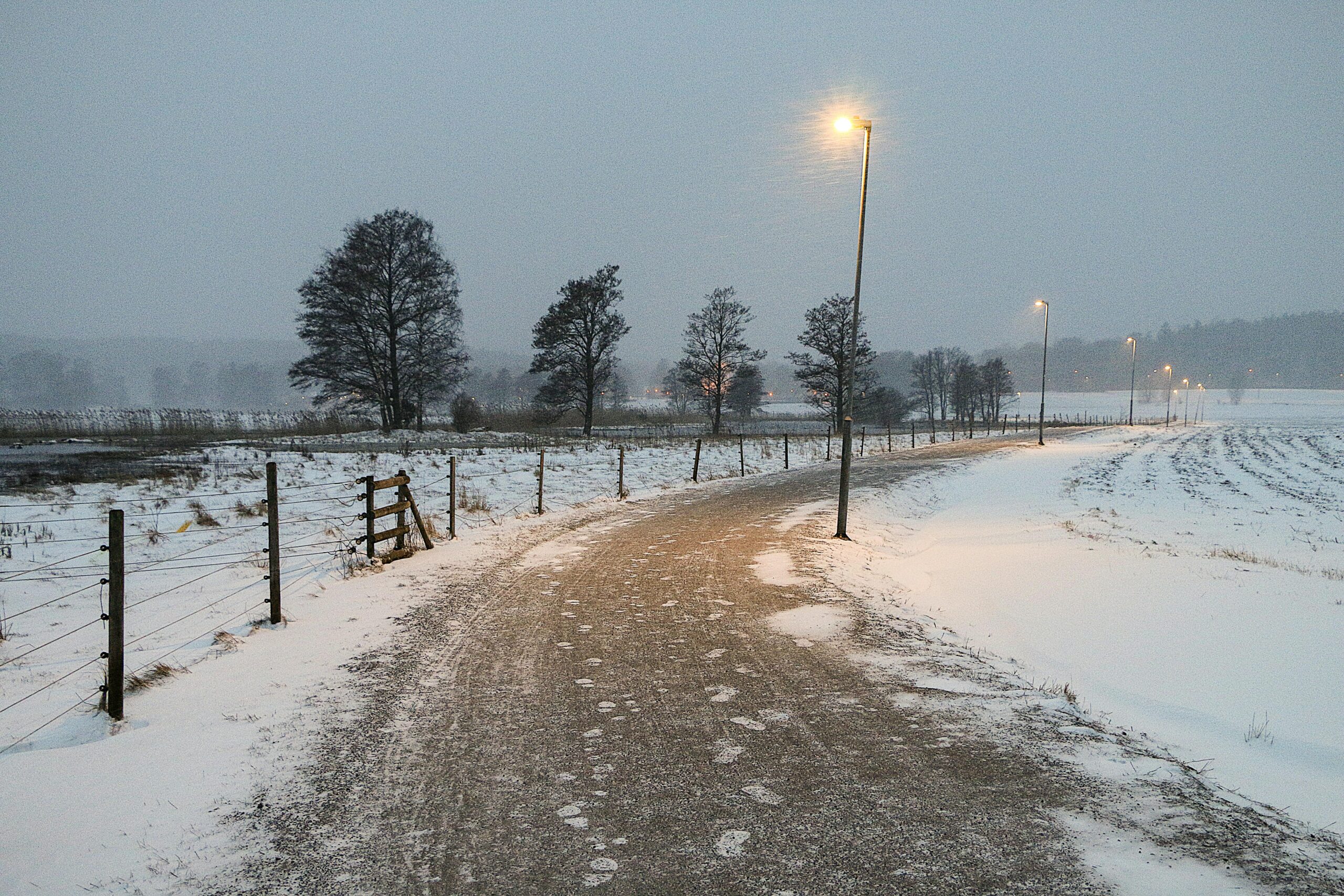
Temperature changes can significantly affect your camera’s aperture mechanism, leading to unexpected shifts in exposure and image quality that many photographers overlook.

🌡️ Understanding Aperture Drift in Modern Photography
Aperture drift remains one of the most misunderstood phenomena in photography, yet it impacts image quality more than most photographers realize. When temperature fluctuations occur, the delicate mechanical components within your lens undergo physical changes that can alter the effective aperture opening. This drift becomes particularly problematic during extended outdoor shoots where environmental conditions vary dramatically throughout the day.
Professional photographers working in extreme conditions have long recognized this challenge, but the digital age has brought new complexities to this age-old problem. Modern lenses contain sophisticated electronic components that interact with mechanical aperture blades, creating a system where thermal expansion affects both physical and digital aspects of exposure control.
The science behind aperture drift involves material expansion and contraction. Lens manufacturers use various metals and synthetic materials in aperture blade construction, each responding differently to temperature changes. When these materials expand or contract at different rates, the precise calibration of your aperture mechanism can shift, sometimes by as much as one-third of a stop or more.
The Physics Behind Temperature-Related Aperture Changes
Understanding the thermal dynamics at play requires examining the materials used in modern lens construction. Aperture blades typically consist of thin metal leaves, often made from aluminum alloys, brass, or specialized composites. Each material has its own coefficient of thermal expansion, meaning they respond uniquely to temperature variations.
When ambient temperature rises, these materials expand. Even microscopic expansion can affect the geometry of aperture blade overlap, potentially creating a slightly larger opening than intended. Conversely, cold temperatures cause contraction, which might result in a smaller effective aperture. The lubricants used in aperture mechanisms also change viscosity with temperature, affecting how smoothly and accurately blades move into position.
Modern electronic aperture control systems add another layer of complexity. The electromagnetic motors that drive aperture blades rely on precise electrical resistance and magnetic field strength, both of which are temperature-dependent. When your camera is cold, these systems may not respond with the same accuracy as they would at room temperature.
Material-Specific Responses to Temperature
Different lens manufacturers employ various materials and construction techniques, resulting in varying degrees of temperature sensitivity. High-end professional lenses often incorporate thermal compensation designs that minimize drift, while budget lenses may exhibit more pronounced effects.
Aluminum alloys, common in mid-range lenses, expand approximately 0.0000230 per degree Celsius. While this seems negligible, across the temperature range from freezing to hot summer conditions (spanning perhaps 40-50 degrees Celsius), accumulated expansion can measure several micrometers—enough to affect aperture accuracy.
Identifying Aperture Drift in Your Photography Work
Recognizing aperture drift requires careful observation and testing. Many photographers attribute exposure inconsistencies to metering errors or changing light conditions when the true culprit is thermal aperture drift. Understanding the signs helps you compensate appropriately during shoots.
The most obvious indicator is unexpected exposure variation when shooting in manual mode with consistent lighting. If you notice your images becoming progressively brighter or darker despite maintaining identical camera settings, temperature-induced aperture drift may be responsible. This becomes particularly evident during time-lapse photography, where even subtle drift creates visible flicker in the final sequence.
Depth of field inconsistencies provide another clue. If your bokeh characteristics or focus plane depth changes unexpectedly between shots at the same nominal aperture setting, thermal effects might be altering your actual aperture diameter. Pixel-peeping photographers sometimes notice subtle sharpness variations across a series that correlate with temperature changes rather than focus accuracy.
Testing Your Lenses for Temperature Sensitivity
Conducting systematic tests helps you understand your specific equipment’s vulnerability to aperture drift. Start by shooting a consistent target in controlled lighting at room temperature, recording your baseline exposures. Then expose your equipment to temperature extremes—either naturally or in a controlled environment—and repeat the same test sequence.
Compare your results using histogram analysis and actual measured luminance values. Many photographers discover their favorite lenses exhibit predictable drift patterns, allowing them to develop compensation strategies for field work. Keep detailed notes about which lenses show the most sensitivity and under what temperature ranges problems emerge.
🎯 Real-World Scenarios Where Aperture Drift Matters Most
Certain photographic situations amplify the problems caused by temperature-related aperture drift. Understanding these scenarios helps you anticipate issues and implement preventive measures before they compromise your work.
Time-lapse photography represents the most vulnerable application. When your camera sits stationary for hours, temperature naturally changes from day to night or as weather systems move through. Even minor aperture drift creates visible exposure flickering that requires extensive post-processing to correct. Professional time-lapse photographers often use specialized deflickering software, but preventing drift in the first place produces superior results.
Astrophotography sessions frequently encounter dramatic temperature drops as night progresses. Starting your session at dusk when temperatures are moderate, you may find your equipment responds quite differently by midnight when temperatures have plummeted. Stars and deep-sky objects require precise exposures, making even subtle drift problematic.
Sports and Wildlife Photography Challenges
Action photographers moving between indoor and outdoor environments face rapid temperature transitions. Bringing cold equipment into a warm indoor venue or stepping outside from heated spaces creates immediate thermal stress on lens mechanisms. Aperture response may become sluggish or inaccurate until thermal equilibrium is reached.
Wildlife photographers working during dawn and dusk experience gradual but significant temperature changes during prime shooting hours. As ambient temperature rises with sunrise, your carefully calibrated manual exposure settings may drift, requiring periodic adjustment to maintain consistency.
Professional Compensation Techniques and Workflows
Experienced photographers have developed numerous strategies to manage aperture drift effects. These techniques range from simple awareness and periodic checking to sophisticated monitoring and compensation systems.
The most straightforward approach involves regular exposure verification throughout your shoot. Rather than trusting your initial settings will remain accurate, check test shots every 15-30 minutes when working in changing conditions. Use your camera’s histogram and highlight warnings to detect drift before it compromises important captures.
Many professionals build thermal acclimation time into their workflow. When moving equipment between temperature zones, allow 15-30 minutes for thermal stabilization before beginning critical work. This waiting period lets all mechanical and electronic components reach equilibrium with ambient conditions, minimizing mid-shoot drift.
Leveraging Camera Technology for Drift Management
Modern cameras offer features that can partially compensate for aperture drift. Shooting in aperture priority mode allows your camera’s metering system to adjust shutter speed automatically as drift affects exposure. While this doesn’t prevent the physical drift, it maintains exposure consistency in changing conditions.
Auto ISO functionality provides another compensation layer. By allowing ISO to float within defined parameters, you give your camera additional flexibility to maintain target exposure even as aperture characteristics drift. This approach works particularly well for event photography where exposure consistency matters more than maintaining specific ISO values.
Some high-end cameras include exposure compensation memory features that track and compensate for systematic drift patterns. While not explicitly designed for thermal drift, these intelligent metering systems can adapt to gradual exposure trends, providing more consistent results than simple matrix or evaluative metering.
📊 Measuring and Quantifying Aperture Drift Effects
Serious photographers benefit from understanding the magnitude of drift their equipment exhibits. Quantifying these effects enables data-driven compensation strategies rather than guesswork adjustments.
Laboratory-style testing requires consistent lighting, a stable target, and careful temperature monitoring. Set up a scene with uniform illumination measured by a reliable light meter. Photograph this scene at various temperatures, recording both nominal aperture settings and actual measured exposure values. Specialized test charts with graduated tones help reveal even subtle exposure shifts.
The results often surprise photographers who assumed their professional equipment was immune to such effects. Drift of one-third to one-half stop over a 30-degree Celsius temperature range is common even in high-quality lenses. Budget lenses may exhibit even greater sensitivity, sometimes approaching full-stop variations under extreme conditions.
| Temperature Range | Typical Drift (Professional Lenses) | Typical Drift (Consumer Lenses) |
|---|---|---|
| 0°C to 25°C | 1/6 to 1/3 stop | 1/3 to 1/2 stop |
| 25°C to 40°C | 1/6 to 1/3 stop | 1/2 to 2/3 stop |
| -10°C to 0°C | 1/3 to 1/2 stop | 1/2 to 1 stop |
Manufacturer Approaches to Thermal Stability
Leading lens manufacturers recognize temperature-related performance issues and implement various design strategies to minimize drift. Understanding these approaches helps photographers make informed equipment decisions.
High-end professional lenses often incorporate thermal compensation designs. These may include carefully selected materials with matched thermal expansion coefficients, ensuring all components expand or contract proportionally. Some manufacturers use exotic materials like carbon fiber composites in barrel construction specifically to minimize thermal dimensional changes.
Electronic aperture control systems in modern lenses can include temperature sensors that inform firmware compensation algorithms. These smart systems adjust motor drive parameters based on measured temperature, helping maintain accurate aperture positioning across varying conditions. However, such sophisticated features typically appear only in flagship lens lines.
Vintage Lenses and Manual Aperture Control
Interestingly, some vintage manual lenses with purely mechanical aperture systems exhibit excellent thermal stability. Without electronic components or complex lubricants, these simple mechanisms rely solely on spring tension and mechanical stops, which prove relatively temperature-insensitive.
Photographers adapting vintage glass to modern cameras sometimes discover superior consistency in challenging thermal environments compared to contemporary electronic lenses. This doesn’t mean manual lenses are immune to drift—their materials still expand and contract—but the absence of temperature-sensitive electronics removes one variable from the equation.
🔧 Practical Field Solutions for Working Photographers
Beyond theoretical understanding, photographers need actionable strategies for managing aperture drift during actual shoots. These field-tested techniques help maintain image quality regardless of environmental conditions.
Insulation provides one of the most effective preventive measures. Camera wraps and lens coats don’t just protect against cold hands—they stabilize equipment temperature by slowing thermal transfer from the environment. When shooting in hot conditions, reflective wraps minimize solar heat absorption, keeping your gear closer to ambient air temperature.
Strategic equipment positioning also helps. Keeping camera bags closed and shaded maintains more stable internal temperatures. When possible, avoid placing gear directly in sunlight or on cold surfaces. These simple habits minimize the temperature swings your equipment experiences during a shoot.
Building Drift Awareness Into Your Shooting Routine
Developing habits that account for potential drift becomes second nature with practice. Start by noting ambient temperature at the beginning of each shoot and checking it periodically throughout. When temperature changes significantly, verify your exposure settings against a test shot before continuing with important captures.
Bracketing exposures provides insurance against drift-induced exposure errors. While this increases file volume and post-processing workload, it ensures you have properly exposed options even if drift affects your primary exposure. For critical work where re-shooting isn’t possible, this redundancy proves invaluable.
Communicate with clients and team members about thermal acclimation requirements. Explaining why you need time before beginning to shoot after equipment arrives helps manage expectations and protects image quality. Most clients appreciate the professionalism of photographers who understand and account for technical variables.
Post-Processing Strategies for Drift-Affected Images
When prevention fails and aperture drift affects your images, post-processing techniques can salvage results. Modern editing software offers powerful tools for correcting exposure inconsistencies, though prevention always yields superior quality compared to post-processing correction.
Batch exposure adjustment works well for series affected by gradual drift. By analyzing exposure progression across a sequence, you can apply compensating adjustments that restore consistency. Most professional editing applications support relative exposure adjustments across multiple files, making this process relatively streamlined.
For time-lapse sequences, specialized deflickering software analyzes frame-to-frame exposure variations and applies smoothing algorithms. These tools can’t completely eliminate severe drift but significantly improve sequences with moderate exposure fluctuation. The key is recognizing when drift is too severe for software correction, indicating you need better field prevention strategies.
Future Technologies and Emerging Solutions
The photography industry continues developing technologies to address thermal stability challenges. Understanding emerging trends helps photographers anticipate future capabilities and make forward-looking equipment decisions.
Advanced materials science promises aperture mechanisms with greatly reduced thermal sensitivity. Research into shape-memory alloys and composite materials may yield blade assemblies that maintain dimensional stability across extreme temperature ranges. While such exotic materials currently cost too much for mass production, they may become mainstream as manufacturing processes mature.
Artificial intelligence and machine learning algorithms are being developed to predict and compensate for drift based on environmental monitoring. Future cameras might include sophisticated thermal management systems that automatically adjust exposure parameters to counteract measured or predicted aperture drift, making the issue transparent to photographers.

⚡ Maximizing Image Consistency Across All Conditions
Achieving reliable results regardless of environmental conditions requires combining awareness, technique, and appropriate equipment choices. No single solution eliminates all thermal effects, but comprehensive strategies minimize their impact on your photography.
Regular equipment maintenance plays an often-overlooked role in thermal stability. Aperture mechanisms accumulate dust and deteriorated lubricants over time, exacerbating temperature sensitivity. Professional lens servicing restores optimal performance and can improve thermal characteristics by refreshing lubricants and cleaning blade assemblies.
Consider environmental conditions when planning shoots and selecting equipment. If you know temperature extremes are likely, choose lenses with known thermal stability or build extra time into your workflow for monitoring and adjustment. Sometimes simply being aware of potential issues prevents them from becoming problems.
Document your experiences with specific lenses under various conditions. Over time, you’ll develop an intuitive understanding of which equipment performs reliably in what situations. This experiential knowledge becomes invaluable for equipment selection and shooting strategy planning.
Ultimately, aperture drift represents just one of many technical considerations professional photographers manage. By understanding the phenomenon, recognizing its signs, and implementing appropriate countermeasures, you can maintain consistent image quality regardless of challenging environmental conditions. Temperature changes need not compromise your photography when you’re equipped with knowledge and proven strategies for managing their effects.