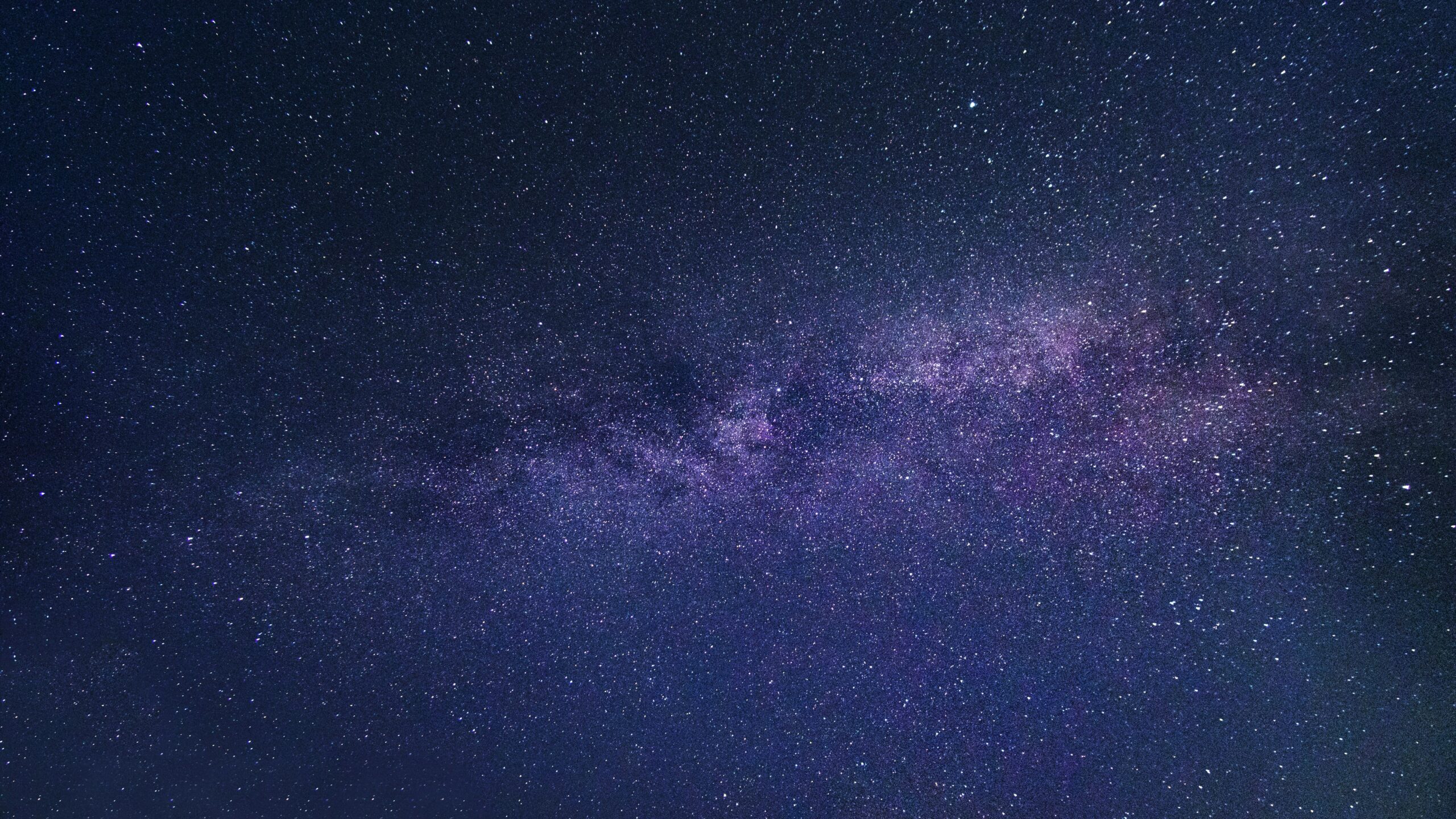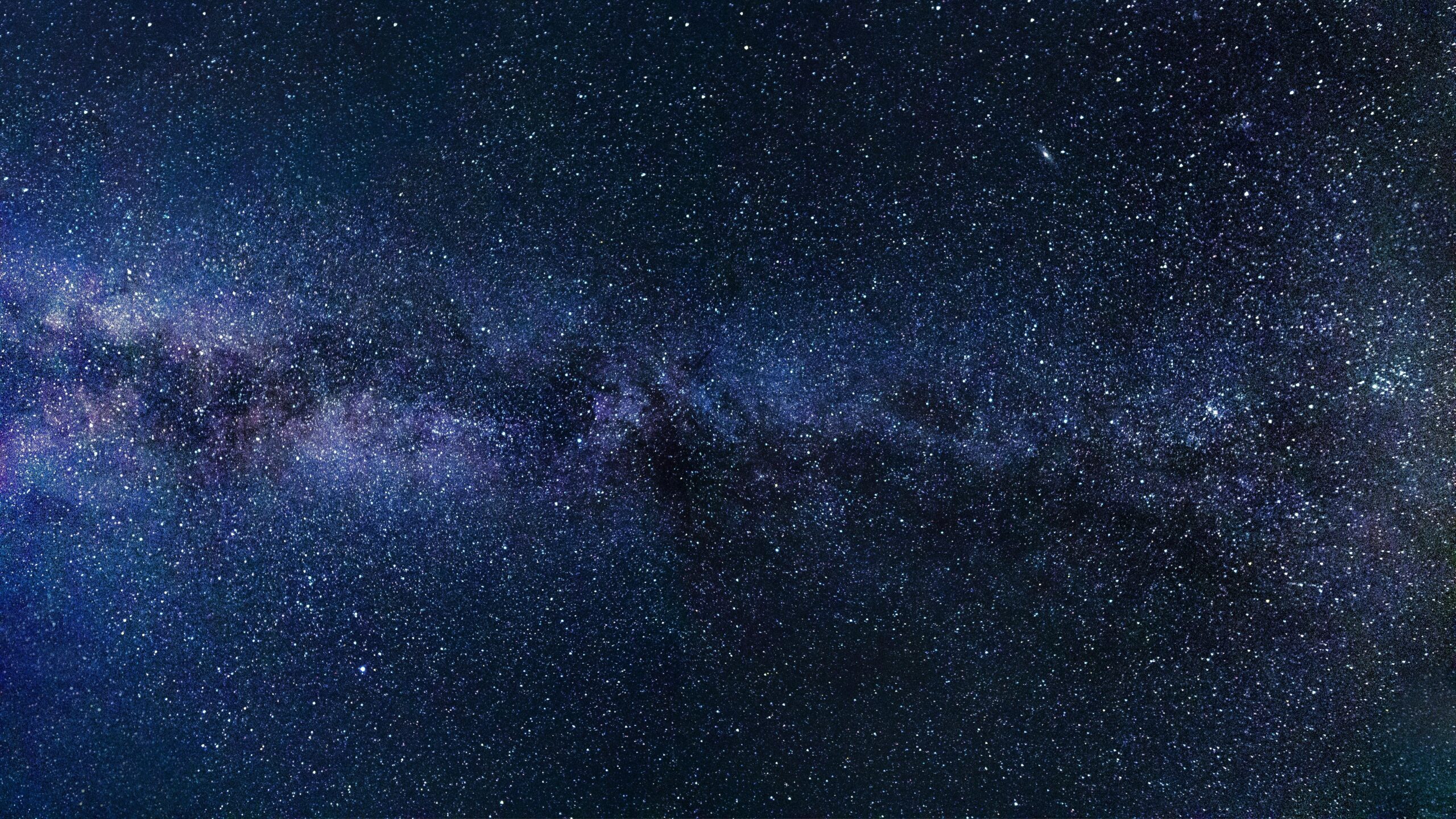
Narrowband imaging has revolutionized astrophotography, allowing amateur astronomers to capture stunning celestial details previously reserved for professional observatories. Mastering calibration techniques is essential for success.

🌌 Understanding the Foundation of Narrowband Astrophotography
Narrowband imaging represents a sophisticated approach to capturing deep-sky objects by isolating specific wavelengths of light emitted by ionized gases in space. Unlike traditional broadband imaging that captures the entire visible spectrum, narrowband filters focus on specific emission lines such as Hydrogen-alpha (Hα), Oxygen-III (OIII), and Sulfur-II (SII). This selective approach dramatically reduces light pollution and reveals intricate structures within nebulae, supernova remnants, and other emission objects.
The power of narrowband imaging lies in its ability to pierce through urban skies and atmospheric interference. By targeting specific wavelengths where nebulae emit most of their light, photographers can work from light-polluted locations and still achieve professional-quality results. This democratization of astrophotography has opened doors for countless enthusiasts worldwide.
However, the transition from broadband to narrowband imaging requires understanding fundamental differences in technique, equipment requirements, and post-processing workflows. The narrowband approach demands longer exposure times, precise calibration, and careful attention to aperture settings to maximize signal-to-noise ratio.
The Critical Role of Aperture in Narrowband Acquisition
Aperture selection represents one of the most crucial decisions in narrowband astrophotography. Unlike daytime photography where aperture primarily controls depth of field, in astrophotography, aperture directly impacts light-gathering ability, exposure times, and overall image quality. The relationship between aperture and narrowband imaging success cannot be overstated.
Larger apertures collect more photons per unit time, which proves essential when working with narrowband filters that typically transmit only 3-5nm bandwidths. A telescope with an 8-inch aperture collects four times more light than a 4-inch instrument, translating to significantly shorter exposure times or improved signal quality for equivalent integration periods.
The focal ratio (f-number) also plays a vital role in narrowband imaging efficiency. Faster focal ratios (f/4 to f/6) allow shorter individual exposures, reducing tracking errors and the impact of atmospheric seeing. However, faster systems may introduce optical aberrations at the edges of the frame, requiring careful calibration and flat-field correction.
⚙️ Calibration Fundamentals: Building Your Framework
Proper calibration forms the backbone of successful narrowband astrophotography. Without accurate calibration frames, even the most expensive equipment will produce suboptimal results. The calibration process removes various sources of noise and artifacts from your light frames, revealing the true signal from celestial objects.
The calibration workflow typically involves three types of supporting frames: bias frames, dark frames, and flat frames. Each serves a specific purpose in correcting different types of systematic errors that affect your imaging sensor. Understanding how to properly capture and apply these calibration frames separates amateur results from professional-quality images.
Mastering Bias Frame Acquisition
Bias frames capture the baseline readout noise pattern of your camera sensor without any actual exposure. These frames are taken at your camera’s shortest possible exposure time with the telescope cap on, at the same sensor temperature as your light frames. Bias frames reveal the electronic signature of your camera’s sensor and amplifier circuit.
For narrowband imaging, capture at least 50-100 bias frames per imaging session. This large quantity allows proper statistical combination to create a master bias frame that effectively represents the true noise pattern while averaging out random fluctuations. Consistency in sensor temperature is critical—even small temperature variations can invalidate your bias library.
Dark Frame Integration Strategy
Dark frames capture thermal noise and hot pixels that accumulate during long exposures. These frames must match exactly the exposure duration and sensor temperature of your light frames. For narrowband imaging with typical exposures of 5-20 minutes, dark frame acquisition becomes time-consuming but absolutely essential.
Consider building a dark library at common exposure times (5, 10, 15, and 20 minutes) for various sensor temperatures. This investment saves time during imaging sessions and ensures consistent calibration quality. Modern cooled cameras with regulated temperature control make dark library management practical and reliable.
Flat Field Correction Excellence
Flat frames correct for vignetting, dust shadows, and variations in pixel sensitivity across your sensor. For narrowband imaging, flats must be captured through each filter you use, as different filters may have varying transmission characteristics and introduce unique vignetting patterns.
The optimal flat frame shows good histogram distribution in the middle third of the dynamic range—neither too bright nor too dim. Use a white light source with a diffuser panel for consistency, or capture sky flats during twilight. Take 30-50 flat frames per filter to create robust master flats that eliminate calibration artifacts.
🔭 Optimizing Aperture Settings for Different Narrowband Filters
Different narrowband filters present unique challenges that may require aperture optimization. Hydrogen-alpha filters, the most commonly used narrowband filter, work well with most aperture configurations due to the relative brightness of Hα emissions. However, OIII and SII filters often capture dimmer signals requiring careful aperture consideration.
When working with OIII filters, maximizing aperture becomes critical as oxygen emissions are typically fainter than hydrogen. Many astrophotographers find that OIII imaging requires 2-3 times longer exposure times compared to Hα for comparable signal-to-noise ratios. This reality makes aperture selection particularly important for multi-night imaging projects.
Sulfur-II imaging presents the greatest challenge, as SII emissions are often the faintest of the Hubble Palette trio. Telescopes with larger apertures (8 inches or greater) prove most effective for SII work, though patient photographers can achieve excellent results with smaller instruments through extended integration times.
The Science Behind Proper Calibration Workflow
Understanding the mathematical foundations of calibration helps optimize your workflow. The basic calibration equation subtracts the master dark frame from both your light frame and flat frame, then divides by the corrected flat frame. This process removes additive noise sources while correcting multiplicative variations in sensitivity.
Modern astrophotography software automates this process, but understanding the underlying principles allows troubleshooting when problems arise. Calibration failures often result from mismatched temperatures, incorrect exposure times, or improperly captured flat frames. Recognizing these issues early prevents wasted imaging time and frustration.
The order of operations matters significantly in calibration processing. Always apply bias subtraction first, followed by dark subtraction, and finally flat-field division. This sequence ensures each correction layer builds properly on the previous step, maximizing artifact removal and signal preservation.
📊 Exposure Time Calculations and Aperture Relationships
Calculating optimal exposure times requires balancing several factors: aperture, filter transmission, target brightness, sky conditions, and sensor characteristics. A systematic approach to exposure planning maximizes efficiency and image quality. Understanding these relationships transforms your imaging strategy from guesswork to science.
The fundamental relationship follows the inverse square law—doubling aperture diameter reduces required exposure time by 75%. This mathematical reality explains why serious narrowband imagers invest in larger telescopes. However, atmospheric conditions and light pollution can limit the practical benefits of aperture increases beyond certain thresholds.
| Aperture Diameter | Relative Light Gathering | Typical Hα Exposure | Typical OIII Exposure |
|---|---|---|---|
| 4 inches (100mm) | 1x (baseline) | 10-15 minutes | 15-20 minutes |
| 6 inches (150mm) | 2.25x | 4-7 minutes | 7-10 minutes |
| 8 inches (200mm) | 4x | 2.5-4 minutes | 4-5 minutes |
| 11 inches (280mm) | 7.8x | 1.5-2 minutes | 2-3 minutes |
Advanced Calibration Techniques for Aperture Optimization
Beyond basic calibration, advanced techniques can extract additional performance from your imaging system. Dithering between exposures helps eliminate walking noise and hot pixels while improving resolution through sub-pixel sampling. This technique works synergistically with proper calibration to maximize final image quality.
Gradient removal represents another critical calibration step, particularly for narrowband imaging from light-polluted locations. Even with narrowband filters, gradients from streetlights, moon glow, and skyglow can affect image backgrounds. Modern software tools can model and remove these gradients during post-processing, but starting with properly calibrated data improves results significantly.
Consider implementing cosmetic correction for stubborn hot pixels and cold pixels that survive the calibration process. While good calibration eliminates most sensor defects, individual problematic pixels may require targeted correction. This final polish step ensures your stunning narrowband captures display without distracting artifacts.
🎯 Real-World Aperture Selection Scenarios
Practical aperture decisions depend on your specific circumstances, targets, and equipment. Urban imagers with 4-5 inch refractors can achieve excellent results on bright emission nebulae like the Orion Nebula or North America Nebula through extended integration times. Patience and proper calibration compensate for smaller aperture.
Rural observers with darker skies gain maximum advantage from larger apertures, capturing faint structures in targets like the Veil Nebula or Soap Bubble Nebula. The combination of low light pollution and generous aperture allows shorter exposure times and more efficient imaging sessions, potentially capturing multiple targets per night.
Mobile astrophotographers must balance aperture desires with portability requirements. A 6-inch refractor offers an excellent compromise between light-gathering power and transportability. Proper calibration becomes even more critical for mobile setups, as changing environments may introduce new challenges with each imaging location.
Common Calibration Pitfalls and Solutions
Even experienced astrophotographers encounter calibration challenges. Amp glow, a common issue with CMOS sensors, appears as brightening in specific sensor regions. This artifact requires longer dark frames to capture properly. If your calibrated images show residual glow patterns, your dark frames may be insufficient or mismatched in duration.
Dust donuts plague every astrophotographer eventually. These circular shadows appear when dust particles settle on filters or sensor windows. Flat frames should eliminate dust shadows, but moving dust or inadequate flats create problems. Regular optical cleaning and thorough flat frame capture solve most dust-related issues.
Newton rings sometimes appear in flat frames, particularly with refractors using flat-field correction. These interference patterns result from parallel optical surfaces creating constructive and destructive light interference. Slightly tilting your flat panel or using textured diffusion material typically eliminates Newton ring formation.
🌠 Integration Time Strategy for Various Apertures
Total integration time—the sum of all individual exposures—determines final image depth and quality more than any other factor. Narrowband imaging typically requires 3-6 hours of integration per filter for impressive results. Larger apertures reach this threshold faster, but smaller instruments achieve comparable results through extended imaging sessions.
Distribution of integration time across multiple nights provides advantages over single-session marathons. Multiple shorter sessions allow targeting during optimal atmospheric conditions, reduce tracking error accumulation, and provide natural dithering between sessions. Plan your narrowband projects across several nights for best results.
Consider the signal-to-noise improvement formula: SNR increases proportionally to the square root of total integration time. Doubling integration time improves SNR by approximately 40%. This mathematical reality means diminishing returns for extremely long integrations, though narrowband imaging benefits from generous total exposure more than broadband work.
Software Tools for Calibration and Processing
Modern astrophotography software dramatically simplifies calibration workflows while providing powerful optimization tools. Applications like PixInsight, DeepSkyStacker, and Astro Pixel Processor automate calibration frame application, allowing photographers to focus on creative processing rather than mathematical operations.
These tools offer sophisticated algorithms for combining calibration frames, rejecting outliers, and optimizing signal extraction. Understanding your software’s calibration options allows fine-tuning for your specific equipment and imaging conditions. Experiment with different sigma clipping values, integration methods, and noise reduction algorithms to optimize results.
Batch processing capabilities in modern software enable efficient handling of multi-night, multi-filter datasets. Set up calibration templates for your specific camera and telescope combination, then process entire imaging sessions with consistent parameters. This workflow efficiency allows more time for actual imaging and creative processing.
🔬 Measuring and Verifying Calibration Success
Quantitative metrics help evaluate calibration effectiveness. Examine your calibrated frames’ background noise statistics—properly calibrated images show minimal systematic patterns and consistent noise distribution across the frame. High standard deviation in background regions suggests calibration problems requiring investigation.
Create test masters by combining small subsets of your light frames with and without calibration. Direct comparison reveals calibration impact on final image quality. Properly calibrated stacks show reduced noise, eliminated hot pixels, and even illumination across the frame. This verification step builds confidence in your calibration workflow.
Star profile analysis provides another calibration quality indicator. Well-calibrated images produce circular, symmetric star profiles with minimal aberrations. Asymmetric or distorted stars may indicate flat-field problems, focus issues, or optical misalignment rather than calibration failure—valuable diagnostic information.
Future-Proofing Your Narrowband Workflow
As narrowband imaging technology evolves, maintaining flexibility in your calibration workflow ensures longevity. Build comprehensive calibration libraries at various sensor temperatures and exposure durations. This investment pays dividends across multiple imaging sessions and different target selections.
Document your calibration procedures meticulously, noting sensor temperatures, exposure times, filter positions, and environmental conditions. These records prove invaluable when troubleshooting problems or optimizing future sessions. Systematic documentation transforms individual imaging sessions into a knowledge base for continuous improvement.
Stay informed about emerging calibration techniques and software capabilities. The astrophotography community continuously develops new approaches to challenging problems. Participating in online forums, attending virtual workshops, and reviewing processing tutorials keeps your skills sharp and your results improving.
✨ Bringing Everything Together for Stunning Results
Mastering narrowband calibration and aperture optimization creates a powerful foundation for exceptional astrophotography. The technical knowledge you’ve gained here transforms equipment into capable instruments for revealing cosmic beauty. Remember that great images result from careful planning, methodical execution, and patience with the learning process.
Your journey in narrowband astrophotography will present challenges and frustrations alongside moments of profound satisfaction. Each calibrated image set, each properly processed dataset, and each stunning final result builds expertise and confidence. The universe offers unlimited subjects for your artistic and technical exploration.
Begin implementing these calibration techniques during your next imaging session. Start with careful bias, dark, and flat frame acquisition, then process your data with attention to the principles discussed here. Compare results with previous work to appreciate the improvements proper calibration delivers. Your dedication to technical excellence will shine through in every final image, capturing celestial wonders with unprecedented clarity and beauty.