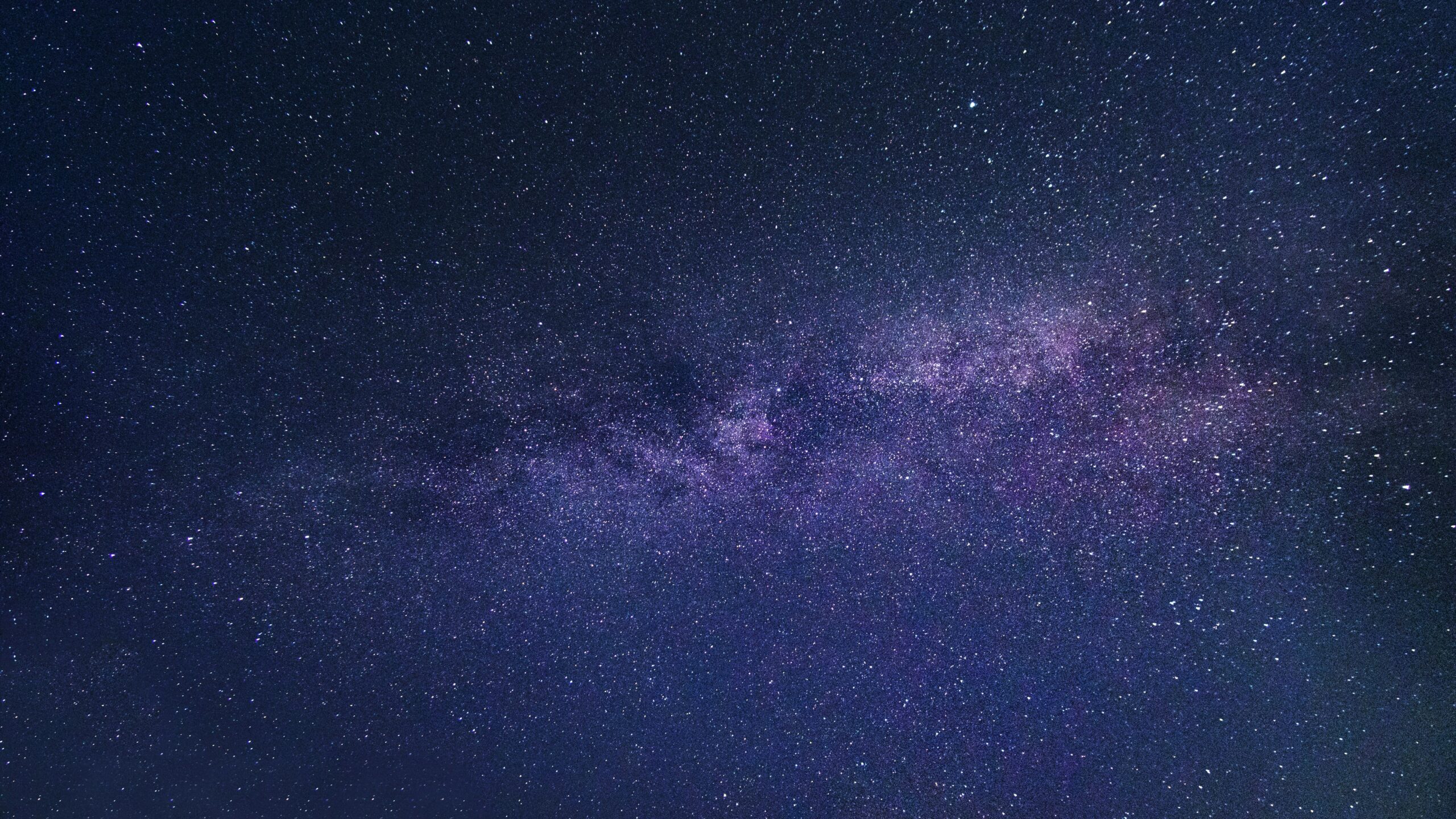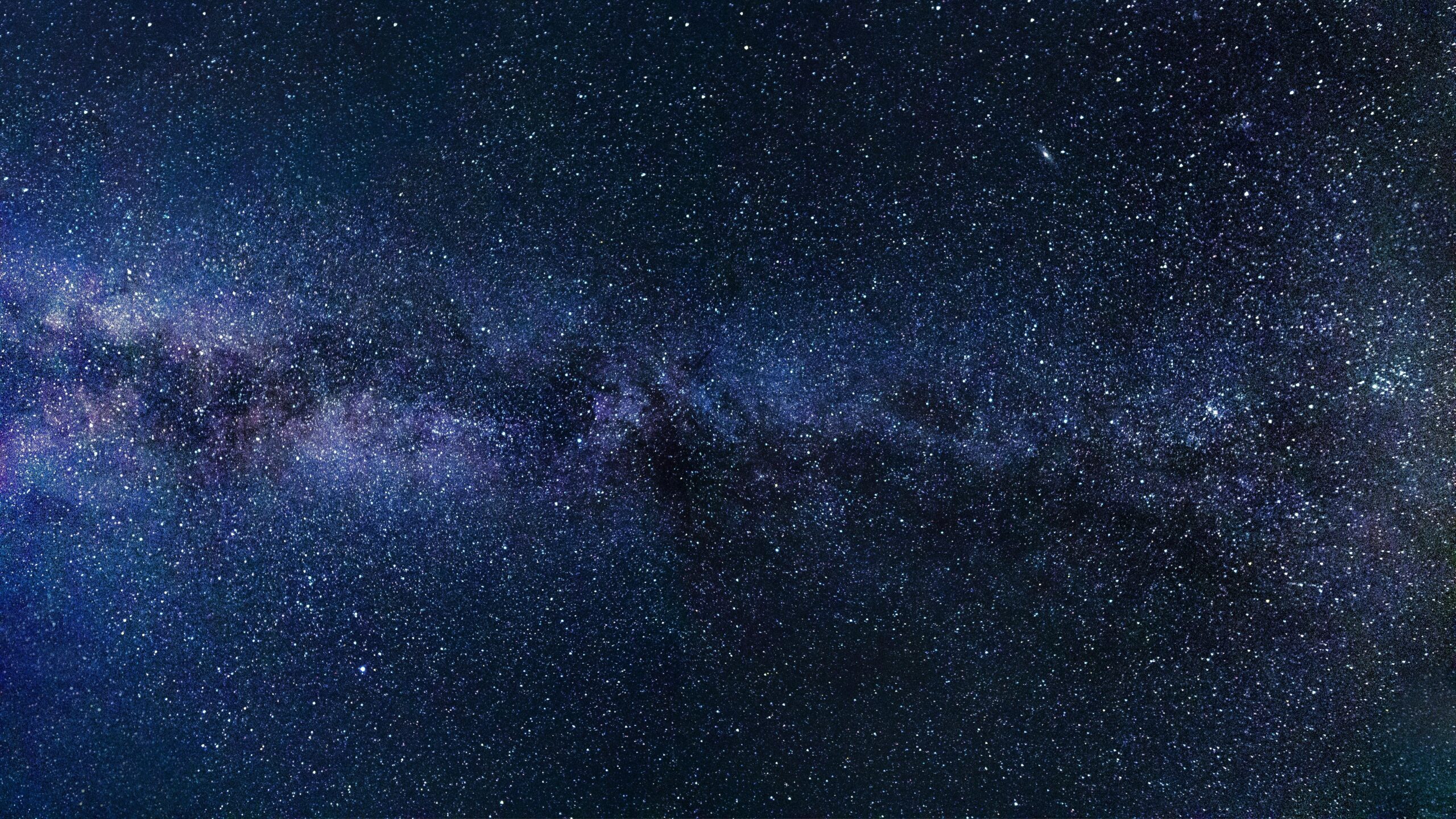
Looking up at the night sky fills us with wonder. The cosmos beckons with countless celestial treasures waiting to be discovered by anyone with curiosity and patience.

Stargazing is one of humanity’s oldest hobbies, connecting us to the universe in profound ways. Whether you’re standing in your backyard or venturing to a dark sky site, the night sky offers an incredible show that changes throughout the seasons. The beauty of amateur astronomy is that you don’t need expensive equipment to get started—many spectacular objects are visible with just your eyes, binoculars, or a modest telescope.
For beginners, the sheer number of celestial objects can feel overwhelming. Catalogs list thousands of galaxies, nebulae, and star clusters, but which ones should you observe first? This guide will walk you through the best beginner-friendly targets that will ignite your passion for astronomy and provide unforgettable views through your eyepiece.
🌌 Understanding What You’re Looking At: A Quick Primer
Before diving into specific targets, it helps to understand what you’ll be observing. The night sky contains three main categories of deep-sky objects that captivate amateur astronomers:
Galaxies are massive systems containing billions of stars, along with gas, dust, and dark matter, all bound together by gravity. When you observe a galaxy, you’re seeing light that has traveled millions of years to reach your eyes—a genuine time machine experience.
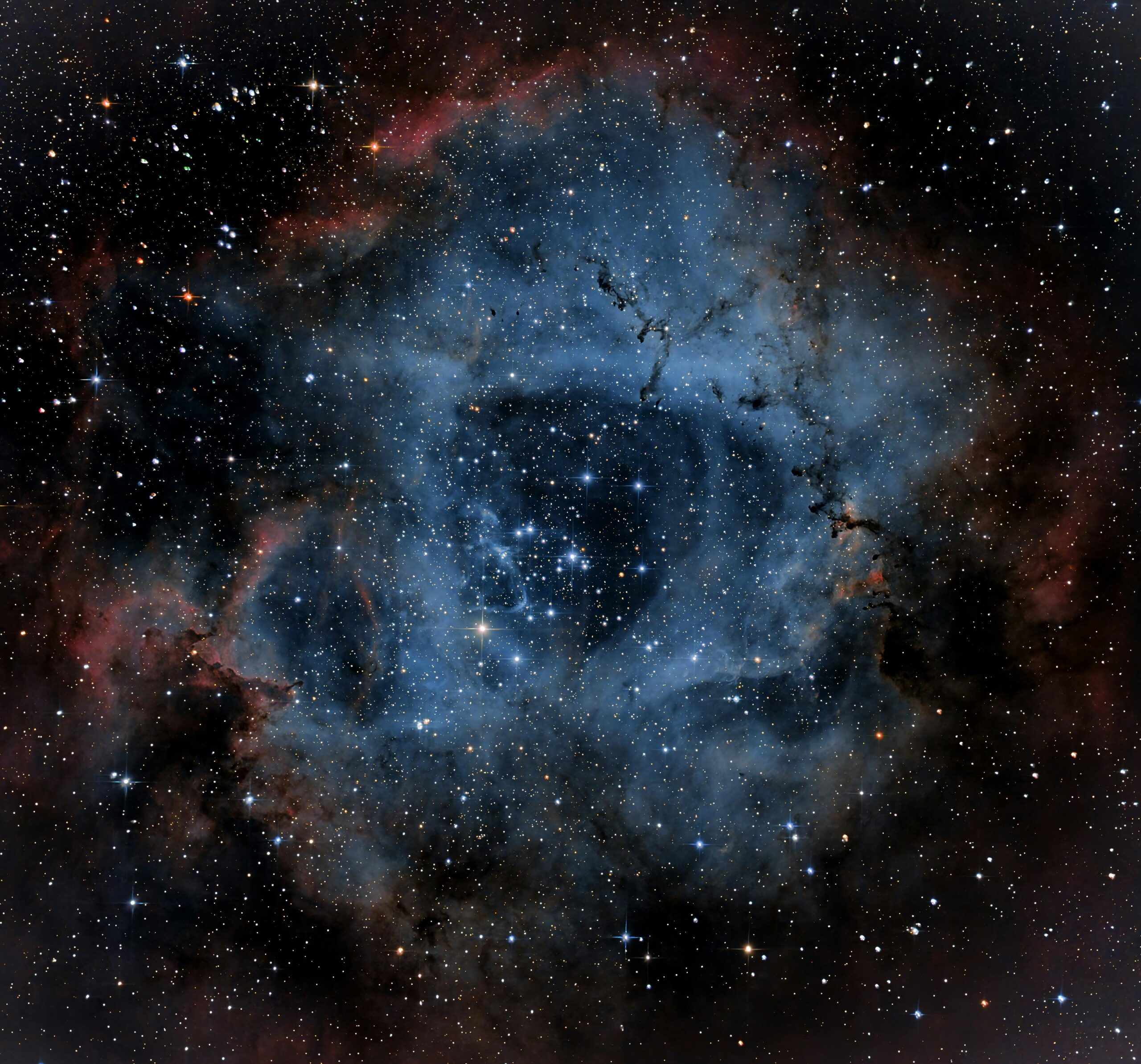
Nebulae are vast clouds of gas and dust in space. Some are stellar nurseries where new stars are born, while others are the remnants of dying stars. These colorful cosmic clouds often appear as fuzzy patches through telescopes, though long-exposure photography reveals their stunning colors.
Star clusters come in two varieties: open clusters containing dozens to hundreds of young stars loosely grouped together, and globular clusters featuring hundreds of thousands of ancient stars packed into a spherical shape. These clusters offer some of the most rewarding views for beginners.
Essential Equipment for Your Stargazing Journey
Starting your astronomical adventure doesn’t require breaking the bank. Many beginners make the mistake of purchasing expensive equipment before understanding what they actually need. Here’s a practical approach to building your stargazing toolkit:
Your naked eyes are your first and most important instrument. Learn to recognize constellations and bright stars—they serve as your roadmap to deeper celestial treasures. Spend several nights simply observing and letting your eyes adapt to darkness, a process that takes about 30 minutes.
Binoculars make an excellent next step. A pair of 7×50 or 10×50 binoculars will reveal star clusters, some nebulae, and even a few galaxies. They’re portable, affordable, and provide stunning wide-field views that telescopes can’t match. Many experienced astronomers still use binoculars regularly alongside their telescopes.
When you’re ready for a telescope, consider a dobsonian reflector in the 6 to 8-inch range. These simple, affordable instruments offer excellent light-gathering power and are incredibly user-friendly for beginners. Avoid department store telescopes with exaggerated magnification claims—aperture (the diameter of the main mirror or lens) matters far more than magnification.
⭐ The Magnificent Seven: Essential Star Clusters for Beginners
The Pleiades (M45): Your First Celestial Gem
The Pleiades, also known as the Seven Sisters, represents the perfect starting point for any beginner. Visible to the naked eye as a tiny dipper-shaped cluster in the constellation Taurus, this open cluster contains over 1,000 stars, though only six or seven are typically visible without optical aid.
Through binoculars, the Pleiades transforms into a jewel box of brilliant blue-white stars scattered across a field of view. The cluster lies approximately 444 light-years away and serves as an excellent test of your observing site’s darkness—the more member stars you can see, the better your sky conditions.
The Beehive Cluster (M44): A Binocular Showpiece
Located in the constellation Cancer, the Beehive Cluster appears as a hazy patch to the naked eye under dark skies. Ancient observers called it Praesepe, meaning “the manger.” This open cluster contains about 1,000 stars and sits roughly 577 light-years from Earth.
Binoculars reveal dozens of stars scattered across an area three times the diameter of the full moon. The cluster’s name comes from the busy, swarming appearance of its member stars, resembling bees around a hive.
The Hercules Cluster (M13): Globular Cluster Royalty
M13 stands as the finest globular cluster visible from northern latitudes. Located on the western edge of the Keystone asterism in Hercules, this ancient stellar city contains several hundred thousand stars packed into a spherical region about 145 light-years across.
Through a small telescope, M13 appears as a fuzzy ball of light. Larger instruments begin resolving individual stars around the edges, creating a spectacular view that resembles sugar spilled on black velvet. This cluster lies approximately 25,000 light-years away and ranks among the most popular targets for amateur astronomers.
🌟 Nebulae: Cosmic Clouds That Capture the Imagination
The Orion Nebula (M42): The Ultimate Beginner’s Target
If you observe only one deep-sky object, make it the Orion Nebula. This stellar nursery in the sword of Orion is visible to the naked eye as a fuzzy star and remains spectacular through any optical instrument. Located approximately 1,344 light-years away, M42 represents the closest region of massive star formation to Earth.
Through binoculars, the nebula reveals its ethereal glow surrounding the four stars of the Trapezium cluster. Small telescopes show wisps and tendrils of glowing gas, while larger instruments reveal the famous dark bay called the Fish’s Mouth. The Orion Nebula remains visible throughout winter in the Northern Hemisphere and offers rewarding views each time you observe it.
The Ring Nebula (M57): A Cosmic Smoke Ring
Found between the two bottom stars of the Lyra constellation’s parallelogram, the Ring Nebula represents a completely different type of nebula—a planetary nebula formed when a sun-like star shed its outer layers at the end of its life. Despite its name, planetary nebulae have nothing to do with planets.
Through a small telescope at moderate magnification, M57 appears as a small, ghostly ring of light, resembling a smoke ring floating against the black sky. This cosmic donut lies approximately 2,300 light-years away, and the light you see left the nebula around the time of ancient Rome.
The Dumbbell Nebula (M27): A Planetary Nebula Showpiece
Located in the constellation Vulpecula, the Dumbbell Nebula earned its name from its distinctive shape, which resembles an hourglass or dumbbell. This planetary nebula appears larger and brighter than the Ring Nebula, making it an excellent target for small telescopes and even binoculars under dark skies.
M27 showcases the beautiful final stages of stellar evolution, with a dying star at its center having expelled its outer layers about 10,000 years ago. The nebula lies approximately 1,360 light-years away and spans an area roughly equal to the apparent size of the full moon.
🌌 Galaxies: Island Universes Beyond Our Own
The Andromeda Galaxy (M31): Our Cosmic Neighbor
The Andromeda Galaxy represents the most distant object visible to the naked eye, lying 2.5 million light-years from Earth. When you observe Andromeda, you’re seeing light that began its journey before modern humans walked the Earth. This spiral galaxy contains approximately one trillion stars and appears as an elongated smudge to the naked eye under dark skies.
Through binoculars, M31 reveals its elliptical shape and bright core, spanning several degrees of sky—far larger than the full moon. Small telescopes show the galaxy’s two satellite companions, M32 and M110, creating a family portrait of gravitating galaxies. Remarkably, Andromeda is approaching our Milky Way at about 110 kilometers per second, and in approximately 4.5 billion years, the two galaxies will collide and merge.
The Whirlpool Galaxy (M51): A Spiral Galaxy Showpiece
Found near the end of the Big Dipper’s handle in Canes Venatici, the Whirlpool Galaxy offers one of the finest face-on spiral galaxy views available to amateur astronomers. M51 lies approximately 23 million light-years away and actually consists of two interacting galaxies—the larger spiral NGC 5194 and its smaller companion NGC 5195.
Through a 6-inch telescope under dark skies, you can glimpse the spiral structure that gives M51 its name. Larger instruments reveal remarkable detail in the spiral arms, which are being distorted by gravitational interaction with the companion galaxy. This cosmic dance between galaxies offers a preview of what will eventually happen when Andromeda and the Milky Way collide.
Bode’s Galaxy and the Cigar Galaxy (M81 and M82): A Galactic Pair
Located in Ursa Major, this pair of contrasting galaxies fits within the same telescope field of view, offering excellent comparison viewing. M81 (Bode’s Galaxy) is a beautiful spiral galaxy lying approximately 12 million light-years away, while M82 (the Cigar Galaxy) is an irregular starburst galaxy undergoing intense star formation due to gravitational interaction with M81.
Through a small telescope, M81 appears as a smooth, oval glow with a bright core, while M82 shows an elongated, mottled appearance. The contrast between these two galaxies makes them particularly engaging targets, and they remain visible throughout the year from northern latitudes.
📱 Modern Tools for Ancient Skies
Technology has revolutionized how we explore the night sky. Smartphone apps can now identify constellations, locate celestial objects, and provide real-time information about what’s visible. One particularly helpful tool for beginners is SkySafari, which offers comprehensive sky charts and object information at your fingertips.
These applications help you understand what you’re seeing and plan your observing sessions around the best targets for your location and time. They’re particularly useful for learning constellation patterns and understanding how the sky changes throughout the night and across seasons.
🔭 Tips for Successful Observing Sessions
Success in stargazing comes down to preparation and patience. Choosing the right night makes an enormous difference—check weather forecasts for clear, stable air and avoid nights following weather fronts when atmospheric turbulence is high. The moon phase also matters tremendously; observe deep-sky objects during the week surrounding the new moon when moonlight won’t wash out faint objects.
Location significantly impacts what you can see. Light pollution from cities brightens the sky, making faint objects invisible. Even driving 30 minutes away from urban areas can dramatically improve your views. Websites and apps can help you find dark sky sites near your location.
Give your eyes time to dark-adapt before expecting to see faint objects. This process takes 20 to 30 minutes, and any exposure to white light resets it. Use a red flashlight or red filter over your phone to preserve your night vision while reading star charts or adjusting equipment.
Use averted vision, a technique where you look slightly to the side of an object rather than directly at it. This places the image on more sensitive parts of your retina, allowing you to see fainter details. This technique takes practice but significantly improves what you can observe.
Building Your Observing Skills Over Time
Becoming a skilled observer takes time and practice. Start with bright, easy targets to build confidence and familiarity with your equipment. Keep an observing log noting what you see, the equipment used, and sky conditions. Over time, you’ll notice your ability to see fine details improving as your observing skills develop.
Consider joining a local astronomy club. Experienced members can provide guidance, and you’ll have opportunities to look through different telescopes before investing in your own equipment. Many clubs hold regular star parties at dark sky sites, offering perfect opportunities to observe numerous targets in a single night.
Don’t rush through your observations. Spend at least 10 to 15 minutes with each object, allowing your eyes to pick up progressively fainter details. The longer you observe, the more you’ll see as your brain learns to process the subtle light reaching your eyes.
Your Journey Through the Cosmos Begins Now
The universe awaits your exploration. Each clear night offers opportunities to witness cosmic wonders that have inspired humanity for millennia. The targets described in this guide represent just the beginning—thousands of galaxies, nebulae, and star clusters await discovery through your eyepiece.
Remember that every experienced astronomer started exactly where you are now, looking up with wonder and curiosity. The skills you develop observing these beginner targets will serve you throughout your astronomical journey, whether you remain a casual observer or develop into a serious amateur astronomer.
The night sky connects us to something larger than ourselves. When you observe the Andromeda Galaxy’s ancient light or peer into the star-forming regions of the Orion Nebula, you’re participating in humanity’s quest to understand our place in the cosmos. So grab your binoculars or telescope, head outside on the next clear night, and begin your personal exploration of the universe. The cosmos is waiting, and your stargazing adventure starts now! ✨