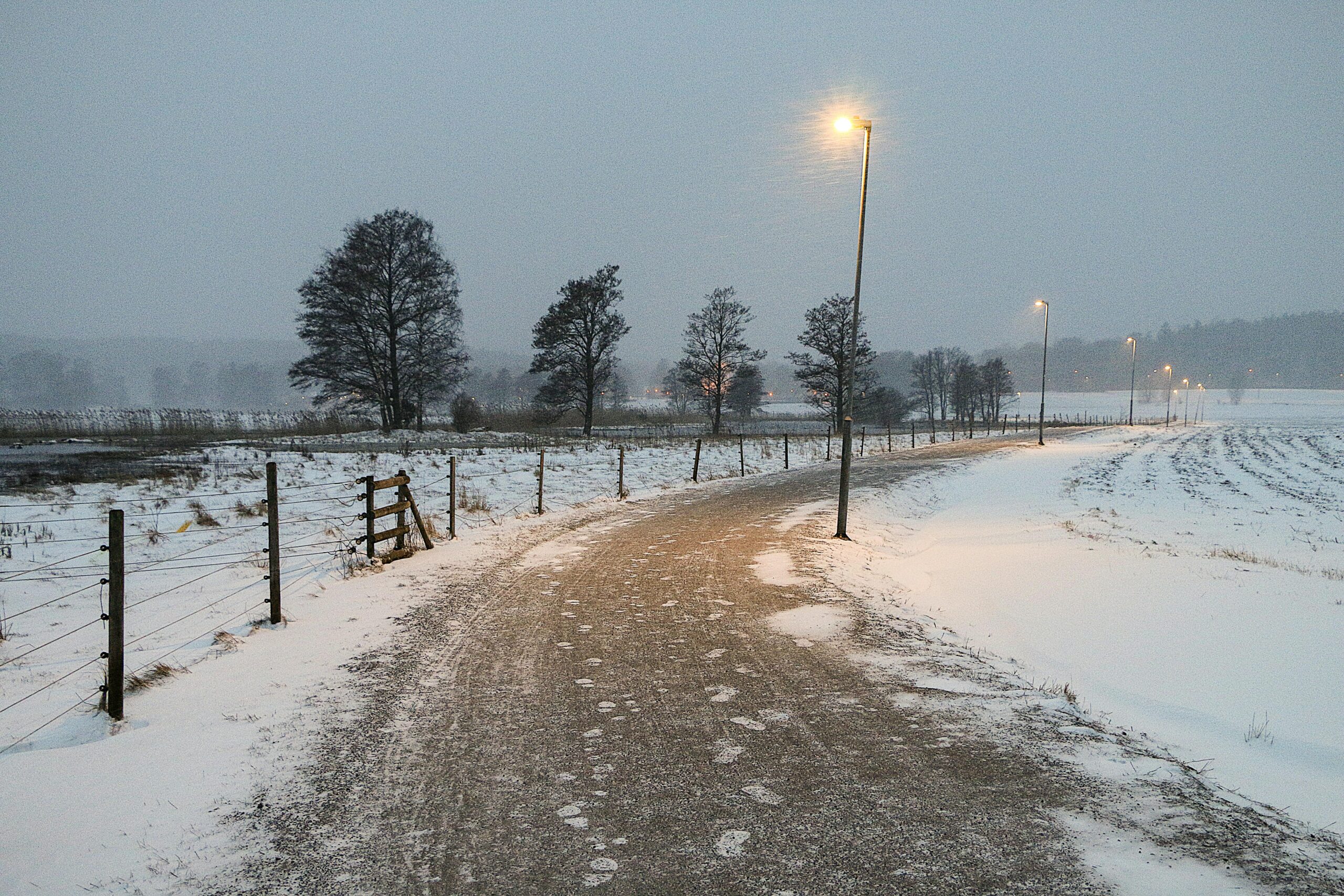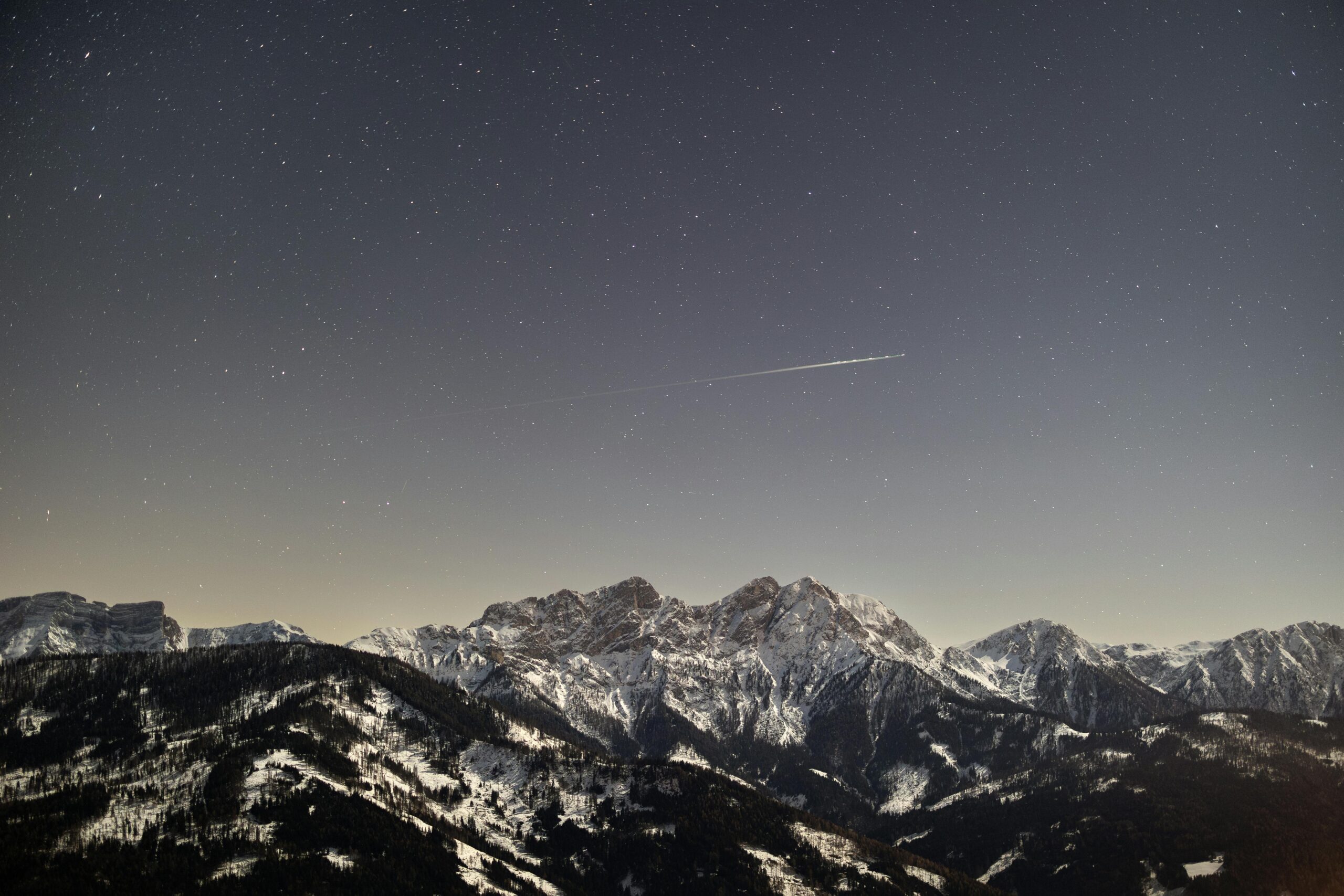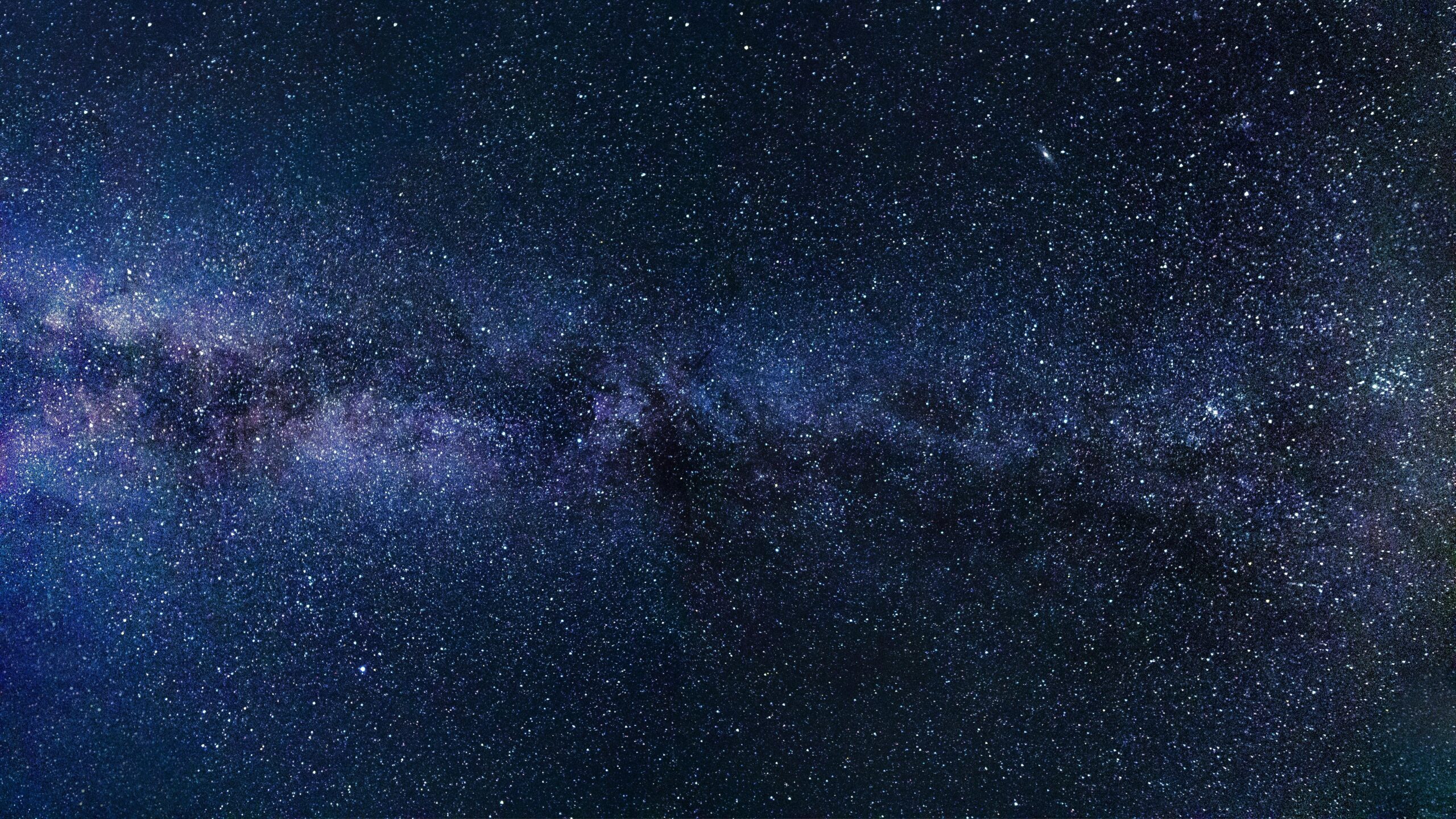
Capturing the breathtaking beauty of cosmic nebulae requires more than just powerful equipment—it demands meticulous color calibration to reveal the universe’s true magnificence and stunning visual depth.

🌌 Why Nebula Photography Demands Exceptional Color Accuracy
Nebulae represent some of the most spectacular phenomena in our universe, showcasing vibrant clouds of gas and dust that birth new stars and planets. When astrophotographers point their telescopes toward these celestial wonders, they’re attempting to capture light that has traveled thousands of light-years through space. However, the colors we perceive in published nebula images rarely match what our eyes would see—and that’s where precision color calibration becomes essential.
The challenge lies in the fact that nebulae emit light across various wavelengths, many of which fall outside the visible spectrum. Hydrogen-alpha emissions appear deep red, oxygen-III glows teal or cyan, and sulfur-II contributes to orange-red tones. Without proper calibration techniques, these delicate hues can become muddy, oversaturated, or completely misrepresented, robbing your images of their astronomical authenticity.
Professional astrophotographers understand that achieving realistic nebula tones isn’t about creating the most eye-catching image—it’s about accurately representing the physical processes occurring in these cosmic structures. This balance between scientific accuracy and aesthetic appeal separates amateur snapshots from gallery-worthyastrophotography.
Understanding the Science Behind Nebula Colors
Before diving into calibration techniques, it’s crucial to understand what creates the colors we associate with nebulae. These cosmic clouds emit light through a process called ionization, where high-energy radiation from nearby stars strips electrons from atoms, causing them to release photons at specific wavelengths when electrons recombine.
Different elements produce characteristic colors when ionized. Hydrogen, the most abundant element in nebulae, emits a deep red at 656.3 nanometers (the H-alpha line). Oxygen produces greenish-cyan light at 495.9 and 500.7 nanometers (OIII). Sulfur contributes reddish tones at 672.4 nanometers. These specific wavelengths become the foundation for narrowband imaging and subsequent color calibration.
Modern astrophotography typically employs narrowband filters that isolate these specific emission lines, allowing photographers to capture data from each element separately. This technique, known as Hubble Palette or SHO imaging (Sulfur, Hydrogen, Oxygen), maps these wavelengths to visible colors in ways that reveal structural details while maintaining visual appeal.
The Role of Camera Sensors in Color Capture
Digital camera sensors don’t perceive color the same way our eyes do. Most sensors use a Bayer filter array with alternating red, green, and blue pixels that must be interpolated to create full-color images. This process, called debayering, introduces its own set of color accuracy challenges that must be addressed during calibration.
Dedicated astronomy cameras often feature monochrome sensors paired with filter wheels, allowing pure capture of specific wavelengths without Bayer matrix interpolation. While this approach offers superior data quality, it requires even more sophisticated color mapping during post-processing to create aesthetically pleasing yet scientifically accurate images.
Essential Equipment for Precision Color Calibration
Achieving realistic nebula tones begins with proper equipment setup. While your telescope and mount capture the light, several additional tools ensure that light translates accurately into digital data:
- Narrowband Filters: High-quality H-alpha, OIII, and SII filters isolate specific emission lines with minimal wavelength overlap, providing clean data for color mapping.
- Flat Frames: Calibration images that correct for vignetting and dust shadows, ensuring uniform color response across your entire image field.
- Color Reference Stars: Including known stars with cataloged spectral types in your field provides anchors for white balance calibration.
- Dark and Bias Frames: These calibration frames remove sensor noise and electronic artifacts that can introduce color casts.
- Light Pollution Filters: Even with narrowband imaging, quality filters reduce unwanted wavelengths that can contaminate your color data.
The investment in proper filtration pays dividends in post-processing. Clean, well-separated narrowband data requires less aggressive manipulation, preserving subtle color gradients and preventing the artificial, oversaturated appearance common in poorly calibrated nebula images.
Establishing Your Color Calibration Workflow 🎨
A systematic approach to color calibration ensures consistent, repeatable results across your astrophotography portfolio. This workflow begins at the telescope and extends through final image processing, with multiple checkpoints to verify accuracy.
Pre-Processing Calibration Steps
Before combining your light frames into a final stacked image, proper calibration frame application sets the foundation for accurate colors. This process removes instrument signatures that can introduce unwanted color variations:
First, ensure your dark frames precisely match your light frame exposure time and sensor temperature. Temperature variations of even a few degrees can alter dark current patterns, introducing noise that masquerades as signal during color stretching. Most modern astronomy cameras include cooling systems that maintain consistent sensor temperatures throughout imaging sessions.
Next, apply flat frames captured with the same filter configuration as your light frames. Flats correct for vignetting, dust shadows, and pixel-to-pixel sensitivity variations that create uneven color response across your image. Many astrophotographers create master flat libraries for each filter, updating them whenever optical configurations change.
Bias frames remove the baseline electronic offset your camera adds to every exposure. While their impact on color accuracy seems minimal, proper bias calibration prevents posterization and banding artifacts that become visible during aggressive stretching of faint nebula regions.
Stacking for Maximum Color Fidelity
After calibrating individual frames, stacking combines multiple exposures to improve signal-to-noise ratio while preserving color information. The stacking algorithm you choose impacts final color accuracy:
Average stacking works well for narrowband data with relatively consistent signal levels. This method provides optimal noise reduction while maintaining linear relationships between color channels. However, it’s sensitive to outliers caused by satellite trails, cosmic rays, or atmospheric interference.
Sigma-clipping algorithms reject outlier pixels before averaging, producing cleaner stacks. Configure your sigma threshold carefully—too aggressive rejection removes legitimate faint signal along with artifacts, while too permissive settings allow contamination that creates false color variations.
Mapping Narrowband Data to RGB Colors
The most critical decision in nebula color calibration involves mapping your narrowband channels to visible RGB color space. Several established palettes offer different approaches to balancing scientific accuracy with aesthetic appeal:
The Hubble Palette (SHO) assigns sulfur data to red, hydrogen to green, and oxygen to blue. This mapping creates the distinctive teal and gold tones seen in many iconic Hubble Space Telescope images. While not representing true-color, this palette effectively separates structural features and has become the de facto standard for narrowband imaging.
The Natural Palette attempts to approximate how nebulae might appear to human eyes with enhanced sensitivity. This approach assigns hydrogen to red, oxygen to green-cyan, and sulfur to orange-red, producing more Earth-like colors that feel familiar to viewers unfamiliar with astronomical conventions.
Advanced practitioners often create custom palettes tailored to specific nebulae, emphasizing particular features or structural elements. This approach requires deep understanding of the target’s physical composition and emission characteristics to maintain realism while enhancing visual impact.
Balancing Your Color Channels
After assigning narrowband data to RGB channels, balancing their relative contributions determines your final color palette. This process requires careful consideration of each channel’s signal strength and the nebula’s actual emission characteristics:
Begin by examining histograms for each channel. Significantly different histogram distributions indicate imbalanced data that will produce unrealistic colors if directly combined. Factors causing imbalance include different exposure times per filter, varying filter transmission efficiency, and the nebula’s actual emission line strengths.
Use background neutralization on star-free nebula regions to establish consistent baseline levels across channels. This technique prevents color casts that arise from unequal background sky contributions. However, avoid over-neutralizing genuine nebula emission—some targets naturally exhibit color gradients reflecting temperature or density variations.
Consider using spectrophotometric white balance adjustment with reference stars in your field. Stars with known spectral classifications (like G2V for solar-type stars) should render as neutral white after proper calibration. Deviations indicate systematic color imbalances requiring correction.
Advanced Color Calibration Techniques for Professional Results ✨
Moving beyond basic channel balancing, sophisticated calibration methods extract maximum color accuracy from your nebula data while preserving subtle tonal variations that reveal scientific details.
Star Color Preservation During Processing
One hallmark of properly calibrated nebula images is accurate star colors that reflect their actual spectral types. Blue main-sequence stars, yellow sun-like stars, and red giants should display appropriate hues that provide context for the nebula’s stellar environment.
Separate star and nebula elements early in your workflow using star extraction tools. Process these components independently—applying aggressive stretching and saturation to nebula regions while maintaining conservative adjustments to stellar elements. This approach prevents the oversaturated, neon-colored stars that plague many amateur nebula images.
When recombining stars with processed nebula data, verify that star colors align with their known spectral classifications. Hot O and B-type stars should appear distinctly blue-white, while cooler K and M-type stars display orange to red hues. This color accuracy provides viewers with subconscious context about the nebula’s stellar population and physical conditions.
Gradient Removal Without Color Distortion
Light pollution, airglow, and flat-field imperfections create gradients that contaminate nebula colors. Removing these gradients while preserving genuine nebula emission requires sophisticated techniques:
Dynamic background extraction models background gradients using sample points placed in nebula-free regions. This technique removes large-scale color variations while preserving small-scale nebula structures. Position your samples carefully to avoid contamination from faint nebula extensions that might be invisible in your raw data.
Per-channel gradient correction addresses color-specific contamination sources. Light pollution often affects channels differently based on its spectral composition, requiring independent gradient models for each color channel. This approach prevents color shifts that occur when applying uniform gradient correction across all channels.
Software Tools for Precision Nebula Color Calibration
Specialized astrophotography software provides tools specifically designed for nebula color calibration, offering capabilities beyond general photo editing applications:
PixInsight leads professional astrophotography processing with comprehensive color calibration tools including spectrophotometric color calibration, background neutralization, and sophisticated channel combination operators. Its learning curve is steep, but the precision it offers for color management justifies the investment for serious practitioners.
Astro Pixel Processor streamlines the calibration workflow with automated stacking, registration, and color balancing routines. Its user-friendly interface makes advanced techniques accessible to intermediate astrophotographers while maintaining the flexibility professionals require for custom calibration approaches.
Photoshop remains relevant for final color refinement, particularly for subtle hue adjustments and targeted color corrections. Its color grading tools, adjustment layers, and blending modes complement specialized astronomy software, allowing fine-tuning that balances technical accuracy with artistic vision.
Mobile Tools for Field Color Verification
Modern mobile applications enable real-time color assessment during imaging sessions, helping you identify issues before spending hours at the telescope collecting unusable data. While not replacement for desktop processing, these tools provide valuable field feedback.
Avoiding Common Color Calibration Pitfalls
Even experienced astrophotographers encounter color calibration challenges that compromise their nebula images. Recognizing these common mistakes helps you develop a more refined calibration workflow:
Oversaturation represents the most frequent error, producing electric, artificial-looking colors that betray the image’s processed nature. While vibrant colors attract attention, they sacrifice credibility and can obscure subtle structural details. Aim for rich but believable saturation levels that could plausibly represent enhanced human vision.
Inconsistent white balance across your image field creates stars with varying color temperatures, immediately signaling calibration problems. This issue often stems from improperly applied flat frames or gradient corrections that introduce color casts. Always verify that similar stars across your frame display consistent colors.
Clipped color channels destroy data in bright nebula cores, eliminating color information and creating harsh transitions. Monitor your histograms continuously during processing, ensuring no channel exceeds maximum values until your final output conversion. Preserve dynamic range throughout your workflow, compressing it only at the last stage.
Ignoring the physical reality of your target leads to implausible color combinations. Research your nebula’s composition and emission characteristics—understanding whether you’re imaging a planetary nebula, HII region, or supernova remnant informs appropriate color choices that respect astronomical principles.
Validating Your Calibration Results Against Scientific Data 🔬
How do you verify that your color calibration accurately represents your target nebula? Comparing your results against published scientific imagery and spectroscopic data provides objective validation:
Professional observatory images from Hubble Space Telescope, Very Large Telescope, and major ground-based facilities offer reference standards for nebula colors. While these institutions use different processing philosophies, their images reflect careful scientific color calibration that balances accuracy with communication effectiveness.
Spectroscopic data reveals your target’s actual emission line ratios, providing quantitative guidance for color channel balancing. If spectroscopy shows hydrogen emission three times stronger than oxygen, your final image should reflect this relationship through appropriate color intensity ratios.
Peer review from experienced astrophotographers provides qualitative feedback about your color choices. Online communities and imaging forums offer constructive criticism that helps you refine your calibration technique and develop your aesthetic while maintaining astronomical credibility.
Developing Your Personal Color Calibration Philosophy
As you gain experience with nebula color calibration, you’ll develop a personal approach that reflects your goals as an astrophotographer. Some practitioners prioritize scientific accuracy above all else, while others embrace artistic interpretation that emphasizes visual impact while remaining grounded in physical reality.
The key is consistency—establishing calibration standards you apply across all your work creates a coherent portfolio with recognizable aesthetic character. Document your techniques, noting specific settings, tools, and approaches that produce results satisfying your standards.
Consider your audience when making color decisions. Images intended for scientific publication demand strict adherence to accuracy standards, while work for public outreach or artistic exhibition allows more interpretive freedom. Both approaches are valid when executed thoughtfully and honestly disclosed.
Ultimately, precision color calibration serves your larger goal of sharing the universe’s magnificence with others. Whether you prioritize documentary accuracy or artistic expression, calibrated colors that respect astronomical reality create images that educate, inspire, and connect viewers with the cosmos in meaningful ways.
Continuous Learning and Refinement in Color Science
Color calibration techniques continue evolving as new research reveals insights about nebula physics and imaging technology advances. Staying current with developments in both astronomy and digital imaging ensures your calibration workflow remains cutting-edge:
Follow research publications describing new emission line discoveries or revised abundance measurements for familiar nebulae. These findings might prompt reconsideration of established color mappings, leading to more accurate representations of cosmic structures.
Experiment with emerging software tools and processing algorithms. Machine learning approaches to color calibration show promise for automating aspects of the workflow while maintaining consistency with established scientific standards. Early adoption of validated techniques can differentiate your work from conventional approaches.
Share your knowledge with the astrophotography community through tutorials, workshops, and online discussions. Teaching others reinforces your own understanding while contributing to collective improvement of color calibration practices across the field.
The universe awaits your lens, ready to reveal its chromatic splendor through precision color calibration. By mastering these techniques, you transform raw photons into images that authentically capture nebulae’s breathtaking beauty while honoring the physical processes that create these cosmic masterpieces. Your dedication to color accuracy doesn’t constrain creativity—it liberates it, providing a scientifically sound foundation for artistic expression that truly unlocks the universe’s visual wonders.