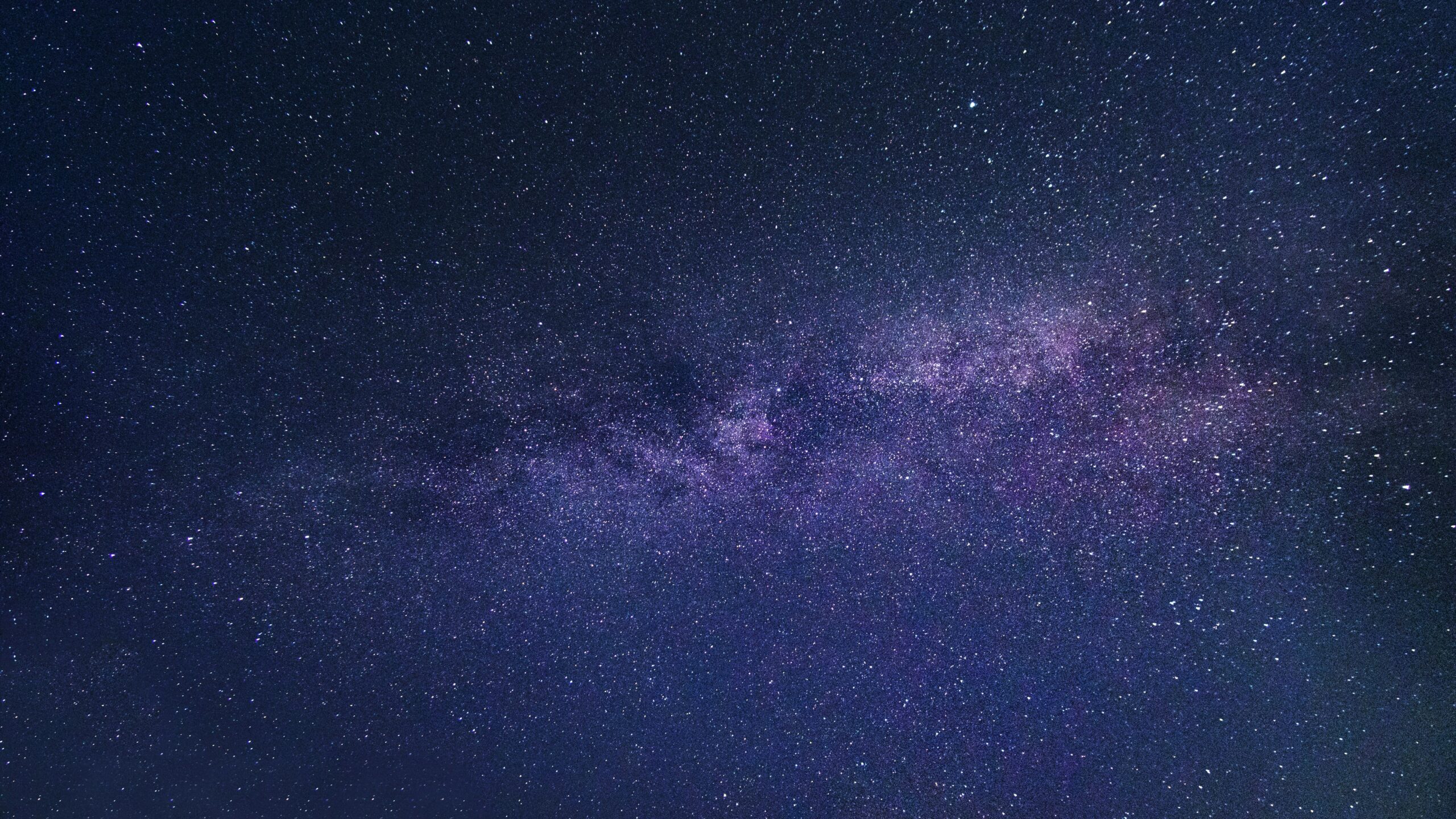
Deep-sky astrophotography doesn’t require a fortune to begin. With the right approach, essential gear, and patience, anyone can capture stunning images of galaxies, nebulae, and star clusters from their backyard.

🌌 Understanding What Deep-Sky Astrophotography Really Means
Deep-sky astrophotography focuses on capturing celestial objects beyond our solar system. Unlike planetary imaging or moon photography, deep-sky targets include distant galaxies, emission nebulae, reflection nebulae, open clusters, and globular clusters. These objects are incredibly faint, requiring longer exposures and specific techniques to reveal their hidden beauty.
The term “deep-sky” itself refers to the vast distances these objects occupy in space, often hundreds or thousands of light-years away. While professional observatories use million-dollar equipment, amateur astronomers have proven that remarkable results are achievable with modest setups and dedication.
Budget-friendly astrophotography has become increasingly accessible thanks to technological advances. Modern cameras offer better sensitivity to light, tracking mounts have become more affordable, and processing software continues to evolve. Starting this hobby without breaking the bank is absolutely realistic in today’s market.
🔭 Essential Equipment: What You Actually Need to Start
Beginning astrophotographers often feel overwhelmed by expensive equipment lists. The truth is you can start with surprisingly minimal gear and upgrade gradually as your skills and interest develop.
Your Camera Options: DSLR, Mirrorless, or Dedicated Astro Camera
A standard DSLR or mirrorless camera you already own can serve as your entry point. These cameras feature manual controls and removable lenses, making them suitable for capturing deep-sky objects. Models from Canon, Nikon, Sony, or Fujifilm from the past decade will work perfectly well.
If purchasing specifically for astrophotography, consider used or older model DSLRs. A Canon Rebel T3i or Nikon D3300, while dated, still captures beautiful nebulae and galaxies. Look for cameras with good high-ISO performance and the ability to take exposures longer than 30 seconds using bulb mode.
Dedicated astronomy cameras offer advantages like cooling sensors and specialized filters, but these should be considered only after mastering the basics with conventional cameras. Starting simple allows you to understand the fundamental processes before investing in specialized equipment.
Lenses That Won’t Empty Your Wallet
Fast lenses with wide apertures collect more light, making them ideal for astrophotography. A 50mm f/1.8 lens, often called the “nifty fifty,” costs between $100-200 new and produces excellent results on popular targets like the Andromeda Galaxy or Orion Nebula.
Kit lenses that came with your camera can also work for beginners. While not as fast as dedicated astrophotography lenses, an 18-55mm kit lens stopped down to f/4 or f/5.6 can capture impressive wide-field images of Milky Way regions and larger nebulae.
Vintage manual focus lenses offer another budget option. Classic 50mm f/1.4 or 135mm f/2.8 lenses from decades ago can be adapted to modern cameras using inexpensive adapters. These lenses often feature excellent optics at a fraction of modern lens prices.
Tracking Mounts: The Game-Changing Investment
A star tracker or equatorial mount is arguably the most important investment for deep-sky astrophotography. Earth’s rotation causes stars to trail in long exposures, but tracking mounts compensate for this movement, allowing exposures lasting minutes instead of seconds.
Entry-level star trackers like the Star Adventurer Mini, Sky-Watcher Star Adventurer, or iOptron SkyTracker range from $300-500. These portable devices track the sky’s rotation, dramatically improving image quality compared to stationary tripod shots.
Budget alternatives include building a barn door tracker, a DIY solution costing under $50 in materials. While requiring more effort to construct and align, barn door trackers prove that effective tracking doesn’t necessarily require expensive commercial products.
🎯 Choosing Your First Targets Wisely
Not all deep-sky objects are created equal when it comes to photographing them. Some targets shine brighter and larger, making them ideal for beginners with modest equipment.
Beginner-Friendly Deep-Sky Objects
The Orion Nebula (M42) tops every beginner’s list. This emission nebula is bright, large, and visible from both hemispheres during winter months. Even short exposures reveal stunning details in its colorful gas clouds and dark dust lanes.
The Andromeda Galaxy (M31) offers another excellent starting point. As our nearest large galactic neighbor, it appears relatively bright and spans several moon widths across the sky. Its size makes it forgiving for tracking accuracy while still providing impressive results.
The Pleiades star cluster combines beauty with accessibility. This bright open cluster requires no special filters and looks magnificent with just a camera lens and tracker. The surrounding reflection nebulosity adds ethereal blue wisps to the famous seven sisters.
- Orion Nebula (M42) – Bright emission nebula visible worldwide
- Andromeda Galaxy (M31) – Large spiral galaxy perfect for wide-field imaging
- Pleiades (M45) – Bright star cluster with blue reflection nebulae
- North America Nebula – Large emission nebula ideal for camera lenses
- Lagoon Nebula (M8) – Colorful summer target with excellent detail
- Double Cluster (NGC 869/884) – Beautiful pair of open clusters
Understanding Your Location’s Light Pollution
Light pollution significantly impacts deep-sky astrophotography. Skyglow from cities washes out faint nebulae and galaxies, limiting what you can capture. However, even suburban locations can yield good results with proper techniques.
Light pollution maps like those from Dark Site Finder or Light Pollution Map help you assess your local conditions and find darker sites within driving distance. Bortle Scale ratings classify sky darkness from 1 (pristine dark sky) to 9 (inner-city sky).
Working from light-polluted areas requires different strategies. Narrowband filters can isolate specific wavelengths from emission nebulae, cutting through light pollution. More exposures of shorter duration can be stacked to overcome background skyglow in processing.
📸 Mastering the Technical Fundamentals
Understanding exposure settings, focus technique, and tracking alignment forms the foundation of successful astrophotography. These skills matter more than expensive equipment when starting out.
Dialing In Your Camera Settings
Shooting in RAW format is non-negotiable for astrophotography. RAW files preserve maximum data for processing, allowing you to extract faint details invisible in JPEGs. Every major camera manufacturer offers RAW capability in their models.
ISO settings balance light sensitivity against noise. Start with ISO 1600-3200 for most cameras. Modern sensors handle these ISOs well, and stacking multiple exposures later will reduce noise significantly. Avoid pushing beyond ISO 6400 unless absolutely necessary.
Exposure length depends on your tracking setup and focal length. With a quality star tracker, aim for 1-3 minute exposures at 50-135mm focal lengths. Start conservative and gradually increase exposure time as your polar alignment skills improve.
Achieving Pinpoint Focus on Stars
Perfect focus separates mediocre images from stunning ones. Autofocus fails miserably with stars, so manual focusing is essential. Live view magnification helps, but precise focus takes practice and patience.
A Bahtinov mask creates distinctive diffraction spikes around stars, making perfect focus obvious. These masks cost $15-30 or can be 3D printed for pennies. Simply place it over your lens, adjust focus until the spikes align symmetrically, then remove it before shooting.
Smartphone apps can assist with focus. Several programs analyze star sharpness in real-time, providing objective feedback as you adjust focus. This approach works particularly well for cameras with WiFi connectivity to your phone.
Polar Alignment Without Fancy Equipment
Accurate polar alignment ensures your mount tracks stars properly across the sky. While expensive mounts include sophisticated alignment systems, budget trackers rely on simpler methods that work remarkably well.
The drift alignment method requires only patience and observation. Point your camera at a star near the celestial equator, take a long exposure, and note which direction the star drifts. Adjust your mount’s altitude and azimuth accordingly, then repeat until drift disappears.
Smartphone apps like SkySafari, Stellarium Mobile, or PhotoPills include polar alignment features. These apps use your phone’s sensors to help position your mount’s polar axis toward the celestial pole, achieving alignment accurate enough for several-minute exposures.
💾 Image Acquisition Strategy for Maximum Results
Professional-looking astrophotos come from combining many individual exposures, not single perfect shots. This stacking process averages out noise while accumulating signal from faint objects.
The Power of Stacking Multiple Exposures
Plan to capture at least 20-50 exposures of your target, more if possible. Each individual frame will look noisy and unimpressive, but stacking software combines them into a clean final image. Total integration time matters most—100 two-minute exposures beats 20 ten-minute exposures for noise reduction.
During your imaging session, check exposures periodically for tracking accuracy, focus drift, or other issues. Reviewing images prevents wasting hours on unusable data. A few minutes of quality checking saves enormous frustration later.
Don’t forget calibration frames. Dark frames, bias frames, and flat frames correct sensor imperfections and vignetting. While they seem tedious to capture, these calibration files dramatically improve final image quality and are worth the extra effort.
Managing Dew, Cold, and Technical Challenges
Dew forming on your lens during long imaging sessions ruins exposures. A simple DIY dew shield made from black craft foam and velcro costs under $5 and prevents most dew issues. For severe dew conditions, USB-powered dew heater strips maintain lens temperature above the dew point.
Cold weather drains camera batteries faster. Carry multiple charged batteries and keep spares warm in your pocket. External battery packs can power cameras for hours, eliminating battery change interruptions during imaging runs.
Wind causes vibrations that blur images. Shield your setup behind vehicles or structures when possible. Hanging weight from your tripod’s center column increases stability significantly. Even a camera bag suspended from the tripod helps dampen vibrations.
🖥️ Processing Your Images Without Expensive Software
Image processing transforms your raw data into beautiful final images. Free software packages offer professional-level processing capabilities without subscription fees or expensive licenses.
Free Processing Tools That Deliver Professional Results
DeepSkyStacker remains the gold standard for free stacking software. This Windows program aligns and combines your exposures, applies calibration frames, and produces an integrated image ready for processing. Its automatic alignment works remarkably well for most situations.
GIMP provides powerful general image editing comparable to Photoshop. Curves adjustments, layer manipulation, and selective editing all work in GIMP. While the interface differs from commercial alternatives, tutorials abound online for astrophotography-specific workflows.
Siril offers a complete astrophotography processing suite that’s entirely free and open-source. Available for Windows, Mac, and Linux, Siril handles stacking, calibration, color calibration, and advanced processing operations. The learning curve is steeper but worthwhile for serious hobbyists.
Basic Processing Workflow for Beginners
Start by stacking your light frames with calibration frames in DeepSkyStacker. Let the program align your images—this process can take considerable time depending on image count and computer speed. The output will be a single unstretched image containing all your integrated data.
Stretch the histogram carefully to reveal faint details. The initial stacked image looks dim and gray because most data occupies a small portion of the brightness range. Curves adjustments redistribute this data, revealing the nebulae and galaxies hidden in your exposures.
Adjust color balance to achieve natural-looking results. Deep-sky objects show genuine colors—red emission nebulae, blue reflection nebulae, yellow starlight. Reference images from experienced astrophotographers help you understand how different targets should appear when properly processed.
💡 Money-Saving Tips and Creative Solutions
Resourcefulness matters as much as budget when starting astrophotography. Creative problem-solving and patience often produce results comparable to expensive equipment.
The Used Market Is Your Friend
Astrophotography equipment holds value well but can be found used at significant discounts. Cloudynights.com classifieds, Astromart, and astrophotography Facebook groups regularly feature quality used gear from upgrading hobbyists. Expect to save 30-50% compared to new prices.
Older DSLR models perform admirably for astrophotography despite being superseded by newer versions. A five-year-old camera body costs a fraction of the latest model while delivering 90% of the image quality. Technology hasn’t advanced dramatically enough to justify always buying new.
Watch for seasonal sales around major holidays. Astronomy retailers often discount equipment during Black Friday, Christmas, and sometimes during astronomy events. Joining astronomy clubs can provide access to member discounts at major retailers.
DIY Solutions That Actually Work
Building your own equipment teaches valuable skills while saving money. Plans for barn door trackers, dew heaters, flat panels, and other accessories are freely available online. The machining and assembly process deepens your understanding of how equipment functions.
Modify your existing equipment creatively. PVC pipe makes excellent lens hoods and dew shields. Yoga mats provide padding and vibration dampening. Velcro cable ties organize cables without expensive cable management systems.
Create your own light pollution filter using affordable methods. While not matching commercial filters, certain theatrical lighting gels can block sodium vapor wavelengths. Experimentation costs little and provides valuable learning experiences.
🚀 Growing Your Skills Before Growing Your Gear
Mastering your current equipment before upgrading ensures you understand what improvements actually matter. Many beginners blame equipment for issues that stem from technique deficiencies.
Joining the Astrophotography Community
Online communities provide invaluable support, critique, and inspiration. Reddit’s r/astrophotography, CloudyNights forums, and Stargazers Lounge connect you with experienced imagers willing to share advice and troubleshoot problems.
Local astronomy clubs offer hands-on learning opportunities. Observing sessions let you see different equipment setups in action and ask questions. Many clubs organize dark-sky trips to superior imaging locations, sharing transportation costs.
Enter beginner contests and share your work for feedback. Constructive criticism accelerates improvement far faster than working in isolation. Most astrophotographers remember their own early struggles and genuinely want to help newcomers succeed.
Documenting Your Journey and Progress
Keep detailed notes about each imaging session—equipment used, settings, conditions, and results. This log becomes invaluable for identifying what works and what needs adjustment. Patterns emerge that guide your equipment and technique decisions.
Reprocess old images as your skills improve. Returning to earlier data with better processing knowledge often reveals details you missed initially. This practice demonstrates your progress without requiring new equipment purchases.
Set realistic expectations based on your equipment and conditions. Comparing your suburban tracked-lens images to those taken with premium telescopes from dark sites leads to frustration. Instead, compare your results to similar setups and celebrate incremental improvements.
🌟 Your Path to the Stars Starts Now
Budget-friendly astrophotography delivers genuine satisfaction without financial strain. The universe doesn’t discriminate based on equipment cost—faint photons from distant galaxies reach your modest camera sensor just as readily as they reach professional observatories.
Success comes from consistency, learning, and patience rather than expensive gear. Every clear night offers opportunities to improve your skills, test new techniques, and capture stunning celestial objects. The journey itself provides as much reward as the final images.
Starting with basic equipment establishes solid fundamentals. As you master polar alignment, exposure management, and processing workflows, you’ll understand exactly which upgrades provide meaningful improvements. This measured approach prevents costly mistakes and ensures satisfaction with every purchase.
The astrophotography community welcomes beginners enthusiastically. Veterans remember their own early struggles and celebrate newcomers joining this rewarding hobby. Your first images of the Orion Nebula or Andromeda Galaxy will inspire continued exploration of the cosmos, one affordable piece of equipment at a time.